Museveni Secures Seventh Term Amid Violence Claims and Observer Concerns in Uganda Polls
According to the Electoral Commission, Museveni, 81, garnered 71.65 per cent of the vote in Thursday’s election, extending his rule of the East African nation to four decades. His closest challenger, opposition leader Bobi Wine, a 43-year-old former pop star-turned-politician, received 24.72 per cent

By : Mweru Mbugua
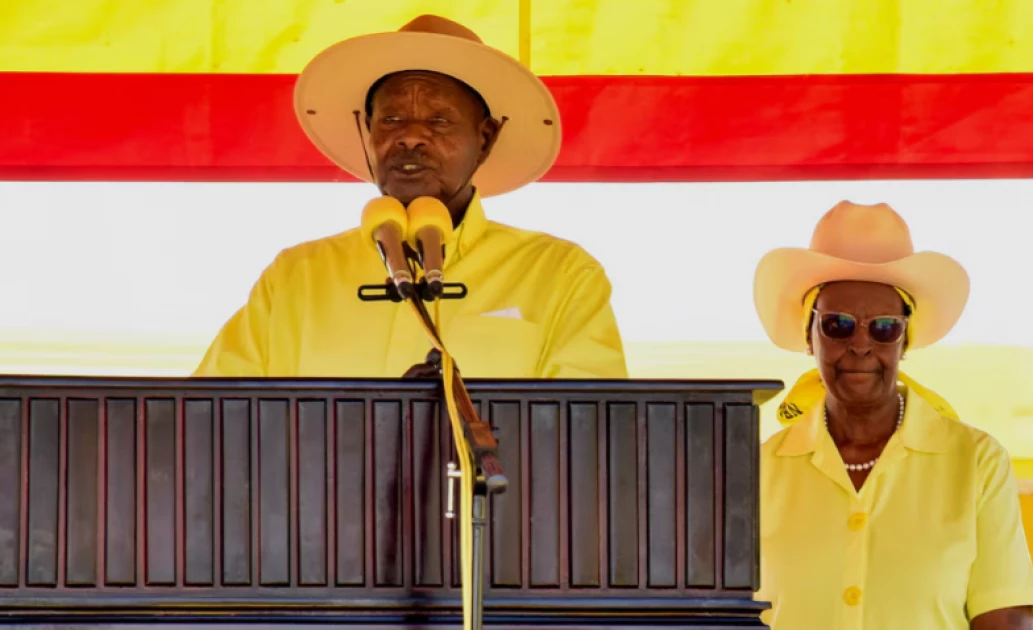
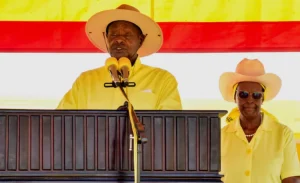
Ugandan President Yoweri Museveni has been declared the winner of the country’s presidential election, securing a seventh term in office after a vote marred by violence, an internet shutdown and allegations of intimidation against the opposition
According to the Electoral Commission, Museveni, 81, garnered 71.65 per cent of the vote in Thursday’s election, extending his rule of the East African nation to four decades. His closest challenger, opposition leader Bobi Wine, a 43-year-old former pop star-turned-politician, received 24.72 per cent
The election was conducted amid reports of at least 10 deaths, widespread security deployments and restrictions on communication. African election observers said arrests and abductions targeting opposition figures and civil society groups had “instilled fear” among voters and undermined public confidence in the process
Bobi Wine, whose real name is Robert Kyagulanyi, said he was forced into hiding following what he described as a raid by security forces on his home on Friday night. In a post on X, he rejected the election outcome, calling the results “fake,” and claimed his wife and family members were under house arrest
“I managed to escape from them. I am not at home,” Wine said, adding that security forces were searching for him
Police denied raiding Wine’s residence, saying they had merely restricted access in what they termed “security hotspots” to prevent gatherings that could incite violence. However, residents near Wine’s home reported seeing heavy security activity, including drones and helicopters, prompting fear and displacement in the area
AFP journalists observed a strong police presence across Kampala as authorities moved to prevent protests similar to those recently witnessed in neighbouring Kenya and Tanzania
Also read : PS Sing’Oei Outlines Diplomatic Priorities to Newly Appointed Envoys
African Union and regional observers from COMESA and IGAD acknowledged that voting on election day was largely peaceful but criticised the broader environment
Former Nigerian president Goodluck Jonathan, who led the observer mission, said reports of intimidation, arrests and abductions had eroded trust in the electoral process. He also noted that the internet shutdown disrupted effective monitoring and increased public suspicion
Museveni’s ruling National Resistance Movement (NRM) also took a commanding lead in parliamentary races, according to provisional results, with vote counting still ongoing
Analysts had widely predicted Museveni’s victory, citing his firm control over state institutions and the security apparatus since taking power in 1986. Previous challengers have faced sustained pressure, including veteran opposition figure Kizza Besigye, who is currently on trial for treason after being abducted in Kenya in 2024 and returned to Uganda
There were conflicting accounts of election-related violence. An opposition legislator claimed security forces killed 10 campaign agents during a raid, while police said an unspecified number of people were injured during an attempted attack on a tally centre and police station
As Uganda awaits the final parliamentary results, the disputed election outcome is expected to heighten political tensions in the country, with opposition leaders vowing to challenge the credibility of the polls both locally and internationally