
Fuel Prices Drop as EPRA Lowers Pump Costs After VAT Cut
The Energy and Petroleum Regulatory Authority (EPRA) has announced a reduction in fuel prices for the April–May cycle, offering relief to motorists following a cut in Value Added Tax (VAT) on petroleum products.

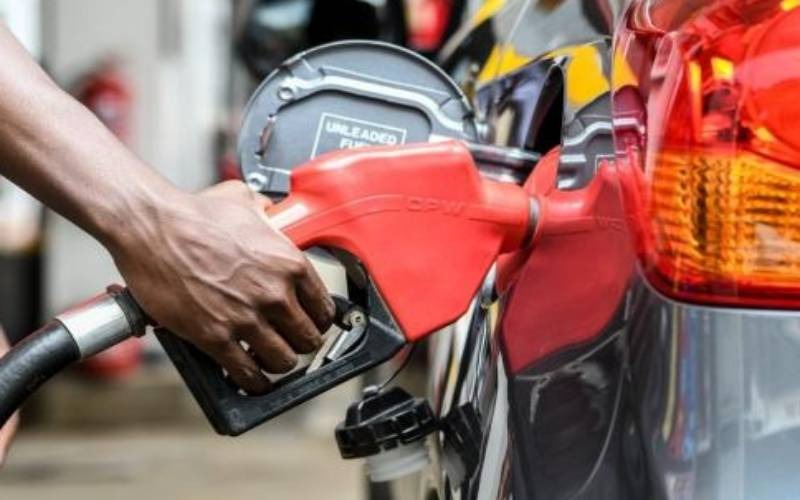
The Energy and Petroleum Regulatory Authority (EPRA) has announced a reduction in fuel prices for the April–May cycle, offering relief to motorists following a cut in Value Added Tax (VAT) on petroleum products.
In the latest review, which takes effect from April 16 to May 14, 2026, the price of super petrol has dropped by Sh9.37 per litre, while diesel has decreased by Sh10.21 per litre. Kerosene prices remain unchanged.
In Nairobi, motorists will now pay Sh197.60 per litre for super petrol, Sh196.63 for diesel and Sh152.78 for kerosene. In Mombasa, pump prices are slightly lower at Sh194.32 for petrol, Sh193.35 for diesel and Sh149.49 for kerosene.
Across other major towns, the revised prices reflect a similar trend. In Kisumu, petrol will retail at Sh197.48 per litre, diesel at Sh196.85 and kerosene at Sh153.03. In Nakuru, prices stand at Sh196.66 for petrol, Sh196.04 for diesel and Sh152.21 for kerosene, while in Eldoret, motorists will pay Sh197.48 for petrol, Sh196.86 for diesel and Sh153.03 for kerosene.
In central Kenya, residents of Nyeri will pay Sh199.61 per litre of petrol, Sh198.64 for diesel and Sh154.78 for kerosene. In Embu, petrol will retail at Sh199.13, diesel at Sh198.17 and kerosene at Sh154.31.
Eastern towns continue to record higher prices, with Kitui motorists paying Sh199.87 per litre of petrol, while those in Mwingi will pay Sh200.55. Diesel and kerosene prices in the two towns also remain relatively elevated.
In northern Kenya, fuel prices remain the highest due to transport and logistical costs. In Mandera, petrol will retail at Sh219.78 per litre, while in Moyale, prices stand at Sh213.54 per litre.
Coastal towns such as Lamu and Hola also reflect slightly higher prices compared to major urban centres.
EPRA said the new prices are inclusive of VAT and align with existing tax laws, including adjustments to excise duty rates. The regulator noted that VAT on petroleum products has been reduced from 13 per cent to 8 per cent to cushion consumers amid rising global oil prices.
The latest adjustment comes just days after a sharp increase in pump prices pushed fuel costs above Sh200 per litre in several towns.
Kenya relies entirely on imported refined petroleum products, with local pump prices influenced by global market trends and the exchange rate of the shilling against the US dollar.
EPRA maintained that the pricing framework is designed to regulate maximum retail prices while ensuring that importation and distribution costs are covered, adding that it remains committed to protecting both consumers and investors in the energy sector.
BY EMMANUEL