Turkana Oil Output Not Yet Viable for Refinery as Kenya Targets 2026 Production
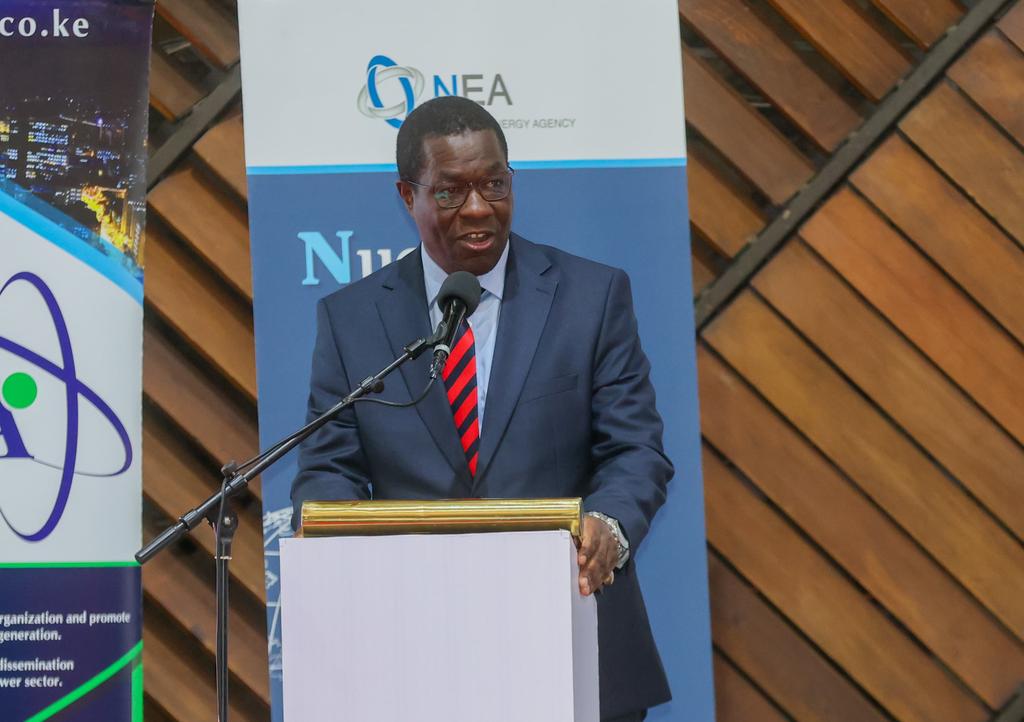
Kenya will not achieve commercially viable oil refining in the near term unless production volumes increase significantly, Energy Cabinet Secretary Opiyo Wandayi has told the Senate, even as the government targets first commercial oil output by the end of 2026.

Kenya will not achieve commercially viable oil refining in the near term unless production volumes increase significantly, Energy Cabinet Secretary Opiyo Wandayi has told the Senate, even as the government targets first commercial oil output by the end of 2026.
Addressing senators on Wednesday, Wandayi said production from the South Lokichar fields in Turkana County is set to rise gradually, but current and projected volumes remain below the level required to sustain a refinery. Early output is expected to start at about 20,000 barrels per day and increase to around 50,000 barrels per day in the medium term.
He noted that these figures fall far short of global refinery requirements, which typically range between 300,000 and 500,000 barrels per day for efficient operations. As a result, Kenya is unlikely to pursue a standalone refinery based solely on its current oil production capacity.
“The quantities we have at the moment cannot support a commercial refinery,” Wandayi said, adding that the government is instead focusing on scaling up upstream production while exploring regional solutions.
The South Lokichar project, located in Turkana County, remains Kenya’s most advanced oil development and is expected to anchor the country’s entry into commercial oil exports. The government says ongoing work is aimed at improving extraction rates, building supporting infrastructure, and preparing for export once production reaches stable levels.
With domestic refining currently unviable, Kenya is increasingly looking beyond its borders. Wandayi told the Senate that the government is backing regional integration efforts, including plans for a shared refinery in East Africa that could process crude from multiple countries to achieve economies of scale.
The proposed facility in Tanga, Tanzania, has been identified as a potential hub for refining crude from the region, including Kenya and Uganda. Officials argue that a joint approach would be more cost-effective and sustainable compared to building a refinery that relies solely on Kenya’s relatively modest output.
The CS’s remarks come amid renewed focus on Kenya’s oil potential and the long-delayed transition from exploration to full commercialisation. While the country made its first oil discoveries in Turkana over a decade ago, progress has been slowed by infrastructure challenges, financing constraints, and fluctuating global oil prices.
Despite these hurdles, the government maintains that the project remains viable and strategically important. Commercial production, once achieved, is expected to reduce reliance on fuel imports, boost government revenues, and create jobs, particularly in northern Kenya.
However, Wandayi cautioned that timelines will depend on sustained investment and successful coordination between government agencies and private sector players involved in the project.