Tanzania Election Violence Claims Hundreds of Lives, Innocent Civilians Targeted
In Mwanza’s Mjimwema neighbourhood, residents were caught off guard on the evening of October 31 when police officers opened fire indiscriminately


By : Mweru Mbugua
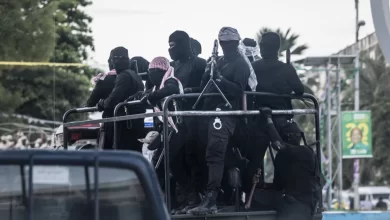
Tanzania’s October 29 elections were marred by unprecedented violence, with reports indicating that security forces deliberately targeted civilians, leaving hundreds dead
In Mwanza’s Mjimwema neighbourhood, residents were caught off guard on the evening of October 31 when police officers opened fire indiscriminately
Witnesses told Reuters that men sheltering in a local café were forced to lie on the ground before being shot
By the time the chaos subsided, more than a dozen people were dead. Social media videos verified by Reuters show 13 bodies sprawled on the blood-soaked street
Reuters’ investigation, which included interviews with nine witnesses across Mwanza, Dar es Salaam, and Arusha, revealed multiple instances of officers shooting civilians far from any protests

The unrest followed the disqualification of the country’s two leading opposition candidates, triggering nationwide demonstrations, arrests, and alleged abductions of government critics.
Charles Kitima, secretary-general of the Tanzania Episcopal Conference, condemned the attacks. “We have witnessed lots of people killed in their houses
That’s why we say it was intended killings,” he said, stressing that most protesters were not criminals
Palamagamba Kabudi, a senior government official, acknowledged that lives were lost but denied any official policy of targeting civilians
The government has launched a commission of inquiry into the election violence, emphasizing the need for verified information before drawing conclusions
President Samia Suluhu Hassan, who won the election with nearly 98% of the vote, defended the security response as proportionate to protest-related violence
Also read : Fierce Fire Destroys Furniture Workshops in Ngurubani, Mwea
Since coming to power in 2021, Hassan has promoted democratic reforms but has faced criticism for cracking down on opposition figures accused of destabilizing the country
The UN and US have expressed concern over the scale of violence. UN human rights experts estimate at least 700 extrajudicial killings, while other sources suggest higher numbers
Authorities temporarily cut internet access for over five days, limiting reporting and public awareness of the unrest
Witnesses described widespread panic, looting, and indiscriminate police shootings, including the Mjimwema café incident, where victims included civilians with no political affiliations
Some bodies were reportedly taken to undisclosed locations, raising fears of evidence tampering
The violence has cast a shadow over Tanzania’s reputation for stability and raised international scrutiny over its commitment to human rights during elections