
Parliament Divided as Finance Bill Faces Growing Opposition
Parliament was engulfed in tense exchanges and heated arguments as lawmakers debated the Finance Bill 2026, exposing deep divisions over the government's latest revenue-raising proposals.

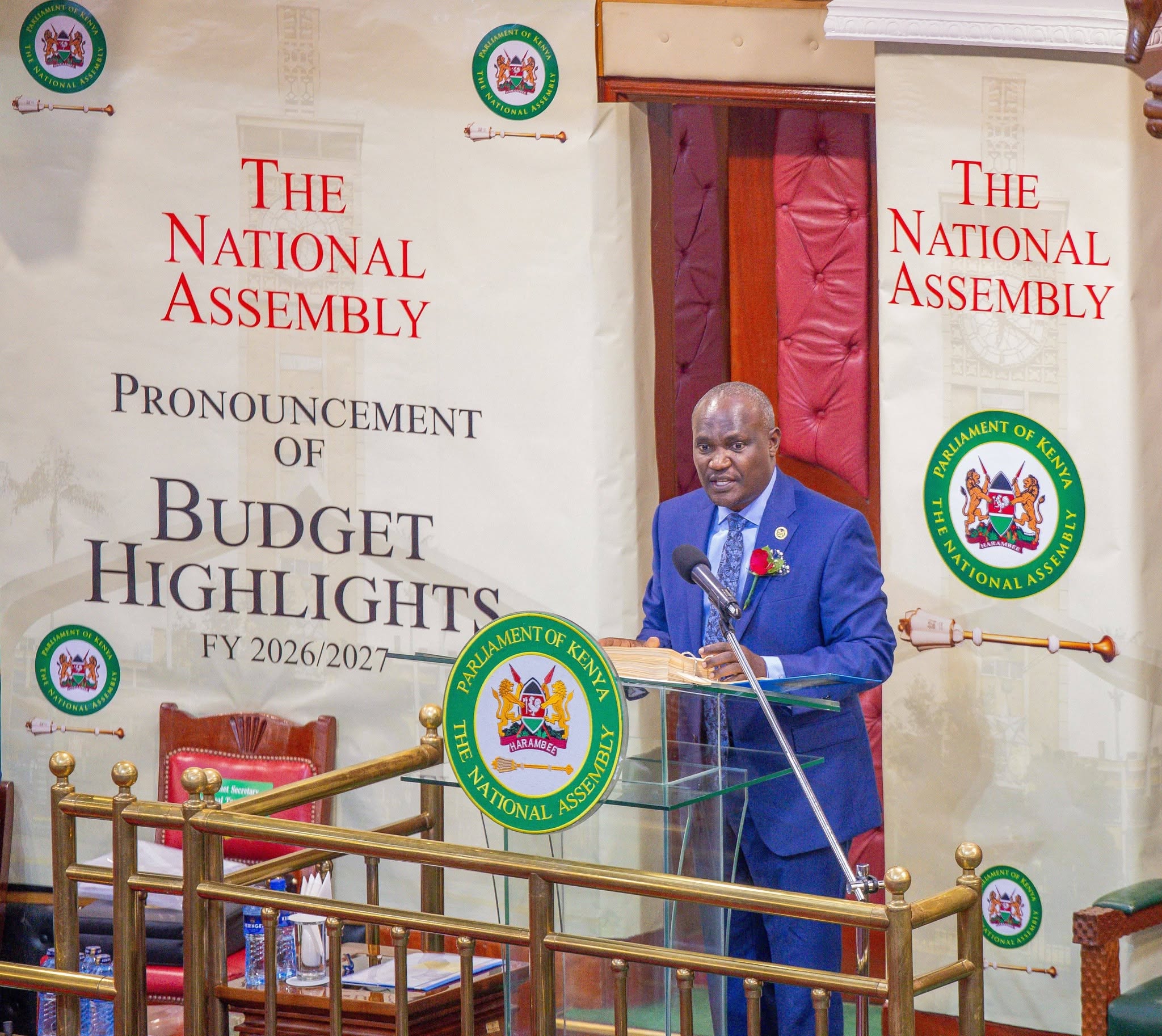
Parliament was engulfed in tense exchanges and heated arguments as lawmakers debated the Finance Bill 2026, exposing deep divisions over the government’s latest revenue-raising proposals.
The National Assembly sessions were characterised by loud protests, interruptions and sharp disagreements as Members of Parliament clashed over measures aimed at increasing government collections to fund the country’s budget for the next financial year.
The Treasury is seeking to raise additional revenue to support the implementation of key government programmes and reduce reliance on external borrowing. However, several legislators questioned whether introducing new tax measures was the right approach at a time when many Kenyans continue to struggle with the high cost of living.
The charged atmosphere inside Parliament reflected growing public anxiety over the economic impact of the proposed changes. Some lawmakers accused the government of placing excessive pressure on households and businesses already burdened by multiple deductions and rising expenses.
Opposition legislators warned that further taxation could weaken purchasing power, discourage investment and worsen economic hardships for ordinary citizens. They argued that Parliament should prioritise policies that stimulate economic growth instead of introducing measures that could strain family incomes.
Supporters of the Bill defended the proposals, saying the government must secure adequate resources to sustain essential public services and finance development projects across the country. They maintained that without additional revenue, key sectors such as health, education and infrastructure could face financial constraints.
As the debate intensified, lawmakers repeatedly interrupted one another, forcing parliamentary leadership to intervene in an effort to restore order. The exchanges highlighted the political sensitivity surrounding tax matters and the pressure elected leaders face from their constituents.
Business groups and economic experts have also weighed in on the debate, urging legislators to strike a balance between increasing revenue and protecting citizens from further financial strain. Several stakeholders have called for reforms that would broaden the tax base instead of increasing the burden on salaried workers and existing taxpayers.
Analysts have pointed out that many Kenyans are already coping with numerous statutory deductions, including contributions towards healthcare, housing and retirement schemes. They argue that any additional financial obligations could reduce disposable income and slow consumer spending.
The current discussions have also revived memories of the widespread protests that accompanied the 2024 Finance Bill. Those demonstrations, which drew thousands of young people to the streets, ultimately forced the government to withdraw several controversial proposals after public opposition intensified.
Political observers say Parliament is under immense pressure to avoid repeating past mistakes and to ensure that the concerns raised by citizens are fully addressed before the Bill is passed.
The outcome of the debate will have significant implications for Kenya’s economic direction over the next year. Decisions made by lawmakers will determine how the government finances its programmes while influencing the cost of living for millions of households and the operating environment for businesses.