Kenya’s First Ebola Burial: Strict Rules Bar Family From Viewing or Touching Body
Kenya’s first confirmed Ebola fatality was laid to rest under strict public health protocols designed to prevent further transmission of the virus, with mourners prohibited from touching or viewing the body.

Kenya’s first confirmed Ebola fatality was laid to rest under strict public health protocols designed to prevent further transmission of the virus, with mourners prohibited from touching or viewing the body.
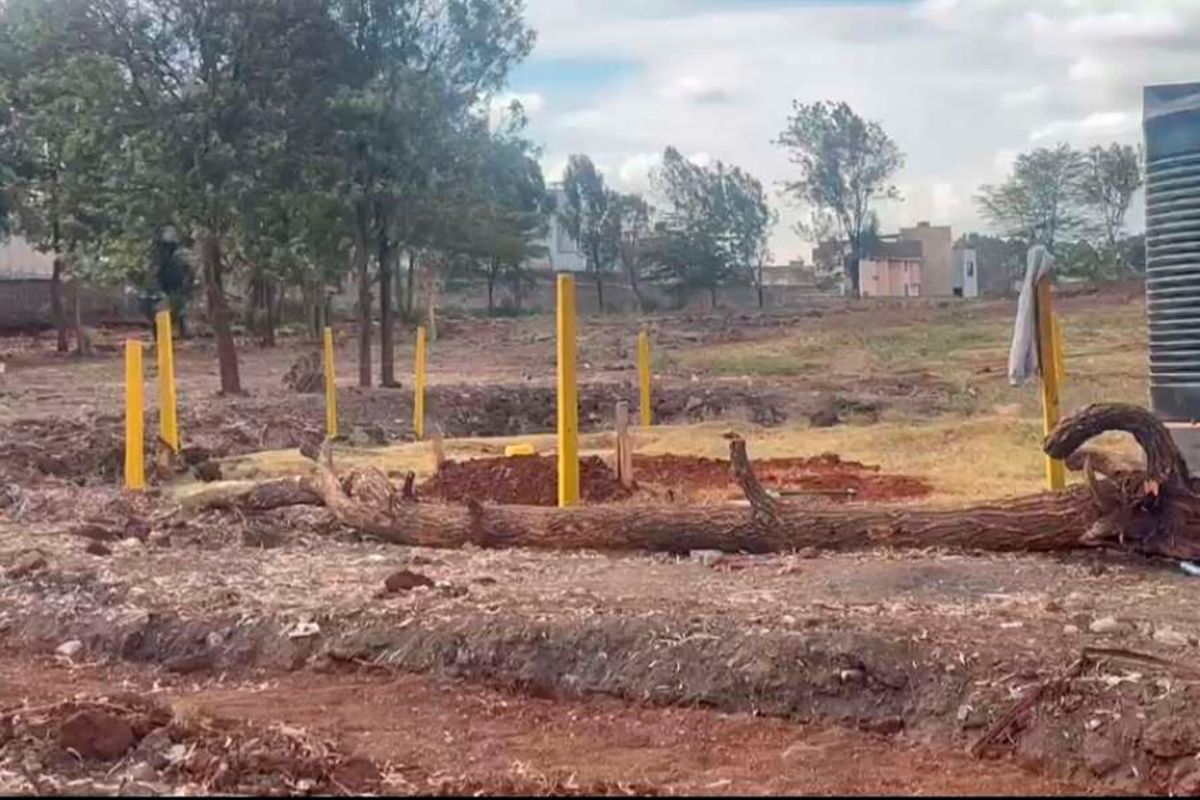
The burial took place at Lang’ata Cemetery in Nairobi on Tuesday, October 6, 2026, with a small number of relatives allowed to witness the final rites from a safe distance.
Health officials oversaw the process, ensuring that the body was handled, transported and buried according to safety procedures for people who die from Ebola virus disease.
Body disinfected before burial
Before transportation to the cemetery, trained health personnel cleaned and disinfected the body before wrapping it in several layers of protective material.
The body was then transported directly to the burial site under controlled conditions. Family members were not permitted to handle it at any stage, while the burial was conducted without the usual viewing and touching rituals.
The measures are intended to minimise the risk of exposure to infectious body fluids, which can transmit Ebola.
According to Kenya’s Director-General for Health Services, Patrick Amoth, safe and dignified burial procedures are required whenever a patient dies from the disease.
The guidelines seek to protect relatives, burial teams, healthcare workers and the wider community while allowing families to witness the burial within the limits imposed by public health requirements.
Protective equipment destroyed after burial
Precautions continued at the cemetery, where health workers wearing full protective equipment supervised the proceedings.
The grave was required to be at least six feet deep. Materials used during the burial, including protective clothing, were destroyed in a controlled process to reduce the risk of contamination.
A vehicle previously used to transport the patient from Jomo Kenyatta International Airport to Nairobi Hospital was also disinfected by a health worker wearing protective gear.
Security around the burial site was tight, with access restricted as officials sought to ensure that the operation proceeded according to established protocols.
Why Ebola burials require special precautions
Ebola can spread through direct contact with the blood and other body fluids of an infected person. The risk may remain significant after death because the body can contain high levels of the virus.
Traditional funeral practices that involve washing, touching, kissing or preparing the body can therefore expose mourners to infection.
The World Health Organization has promoted safe and dignified burial procedures during Ebola outbreaks, emphasising infection prevention while respecting families’ cultural and religious needs wherever possible.
During previous outbreaks, unsafe burial practices contributed to transmission in affected communities, making the management of bodies a critical part of efforts to contain the disease.
Authorities urge public cooperation
Kenya’s first confirmed imported Ebola case involved a Kenyan national who had travelled from the Democratic Republic of Congo through Uganda before arriving in Nairobi.
Officials have urged the public to avoid handling the bodies of people suspected of having Ebola and to cooperate with public health teams investigating possible exposure.
The burial demonstrated the difficult balance between protecting public health and preserving the dignity of the deceased and the rights of grieving families.