Ruto Allies Accuse Gachagua of Plotting to Reject 2027 Election Results
Allies of President William Ruto have accused former Deputy President Rigathi Gachagua and other opposition leaders of preparing to reject the outcome of the 2027 General Election, raising fresh political tensions ahead of the polls.

By Emmanuel Kyengo;
Allies of President William Ruto have accused former Deputy President Rigathi Gachagua and other opposition leaders of preparing to reject the outcome of the 2027 General Election, raising fresh political tensions ahead of the polls.
The leaders claim that the opposition is deliberately questioning the credibility and independence of the Independent Electoral and Boundaries Commission (IEBC) to create grounds for disputing the election results.
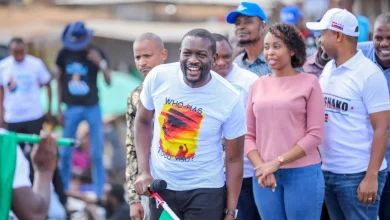
The accusations were made during separate church fundraisers in Narok, Lukuyani and Bungoma counties, where Kenya Kwanza leaders also called on the electoral commission to remain firm amid growing political pressure.
Senate Majority Leader Aaron Cheruiyot was among those who directly criticised Gachagua, alleging that the former Deputy President was mobilising opposition leaders to challenge the legitimacy of the forthcoming election results.
Cheruiyot further dragged former Chief Justice David Maraga into the debate, questioning the role he could play in the opposition’s engagement with electoral matters.
I know Rigathi Gachagua and his plans. These schemes that you are seeing in the opposition are because they have realised that defeat is imminent, and now they want to reject the 2027 results to plunge the country into election chaos, Cheruiyot said.
He maintained that the opposition’s concerns about IEBC were part of a broader political strategy rather than genuine efforts to strengthen the electoral process.
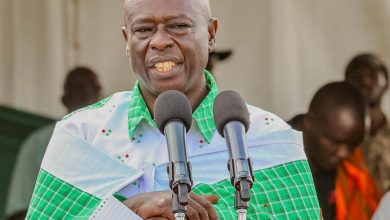
National Assembly Speaker Moses Wetang’ula also weighed in, urging IEBC Chairperson Erastus Ethekon and other commissioners to resist intimidation and execute their responsibilities independently.
Wetang’ula maintained that the Constitution protects the independence of the electoral commission and that no political leader, including the President, should dictate how it conducts elections.
He compared the situation to a football match, arguing that players should not interfere with the referee’s responsibilities.
The Constitution says IEBC should be independent. The President cannot direct the IEBC on what to do, Wetang’ula stated.
President Ruto’s aide Farouk Kibet also took aim at opposition leaders questioning the electoral commission.
In his remarks, Kibet sarcastically suggested that those dissatisfied with the IEBC should consider applying for positions within the commission.
He also made a controversial reference to Gachagua’s wife while addressing the opposition’s concerns over the electoral body.
Kakamega Deputy Governor Ayub Savula similarly dismissed the opposition’s allegations, claiming that its leaders were becoming anxious ahead of the next General Election.
Savula insisted that the opposition would be defeated, while Bungoma Governor Ken Lusaka accused its leaders of fearing an electoral loss.
Meanwhile, Interior Principal Secretary Raymond Omollo and Public Service Cabinet Secretary Geoffrey Ruku used a church service at St Thomas Catholic Church in Embu North to rally support for President Ruto’s administration.
Ruku called on political and religious leaders to support the President’s development agenda.
The latest accusations come amid growing disagreements between the opposition and IEBC over preparations for the 2027 General Election, particularly concerns surrounding the commission’s independence, electoral technology and the announcement of presidential results.
Gachagua has previously warned that Kenyans would take to the streets if the credibility of the next election is compromised.
He has also rejected the proposal to have Bomas of Kenya serve as the final presidential tallying centre, insisting that results announced at constituency level should be final.
The competing positions have intensified debate over electoral preparedness, with opposition leaders demanding greater transparency while government allies accuse them of attempting to undermine confidence in the electoral process.
As the country moves closer to the 2027 elections, the IEBC faces growing pressure from political formations on both sides to demonstrate its independence and ensure that the electoral process commands public confidence.