Kenya Urged to Keep Borders Open as Ebola Threat Raises Public Health Concerns
Kenya has been urged to maintain the flow of cross-border trade while strengthening measures to prevent the spread of infectious diseases, amid growing concerns over the Ebola outbreak in parts of East and Central Africa.

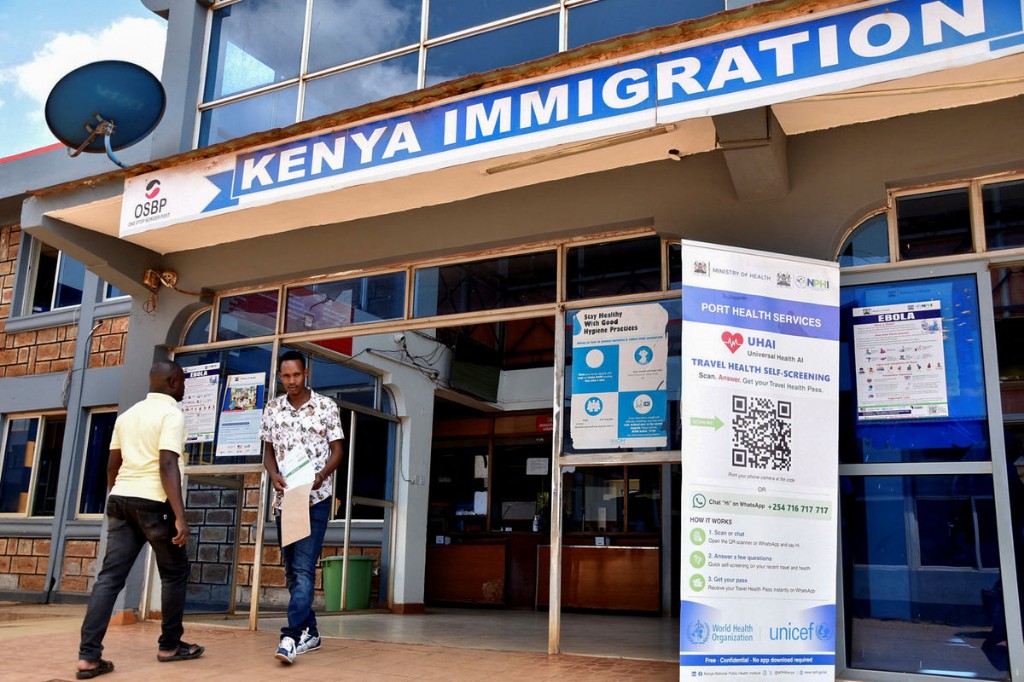
Kenya has been urged to maintain the flow of cross-border trade while strengthening measures to prevent the spread of infectious diseases, amid growing concerns over the Ebola outbreak in parts of East and Central Africa.
The debate comes as governments across the region face the challenge of protecting their populations without disrupting the movement of goods, essential supplies and people who depend on cross-border economic activities.
Health experts have cautioned that shutting borders may not effectively prevent the spread of diseases, particularly when infected individuals can travel before developing symptoms. Instead, they advocate for stronger surveillance, early detection and coordinated responses among neighbouring countries.
Border Closures Could Disrupt Trade
Kenya occupies a strategic position in regional commerce, serving as a major transport and distribution hub for several landlocked countries.
The Port of Mombasa and the Northern Corridor facilitate the movement of goods between Kenya and neighbouring countries, including Uganda, Rwanda, Burundi, South Sudan and the Democratic Republic of Congo.
Thousands of tonnes of cargo move along these transport routes daily, supporting businesses, employment and the supply of essential commodities across the region.
Restricting cross-border movement could delay deliveries, increase transportation costs and interfere with the distribution of food, medicines and other vital products.
Such disruptions could also affect truck drivers, traders, transport companies and communities whose livelihoods depend on regional commerce.
Public health measures must therefore be carefully designed to minimise unnecessary interruptions while addressing genuine health risks.
Why Border Controls Alone May Not Work
One of the major challenges in containing diseases such as Ebola is that exposed individuals may cross international borders before symptoms become apparent.
This makes it difficult for screening conducted at airports, seaports and land crossings to identify every potential infection.
Although temperature checks and health declarations can help identify people who may require further assessment, they cannot independently guarantee that all infected travellers will be detected.
Health authorities are therefore encouraged to combine screening with contact tracing, laboratory testing, timely reporting and monitoring of people who may have been exposed to an infected person.
Public awareness is equally important, particularly in communities that experience frequent movement across borders.
Regional Cooperation Is Key
Kenya and its neighbours need coordinated systems for sharing information, identifying suspected cases and responding quickly when infections are detected.
Health agencies, immigration officials, transport operators and local authorities can work together to strengthen preparedness at major entry points.
The Africa Centres for Disease Control and Prevention has also emphasised the importance of coordinated public health measures that reduce transmission risks while preserving safe travel, trade and humanitarian operations.
Improved communication between countries can help authorities respond to emerging threats before they spread widely.
Neighbouring states must also invest in laboratory capacity, trained health personnel and emergency response systems to ensure that suspected infections are investigated without unnecessary delays.
Communities Have a Role to Play
Containing an outbreak requires more than measures implemented at international borders. Communities must also understand the risks and know when to seek medical assistance.
Members of the public should promptly contact health professionals if they develop symptoms consistent with a suspected infection, particularly after possible exposure to an infected person.
Health authorities should provide clear and accurate information to prevent misinformation, fear and discrimination against travellers or communities associated with affected areas.
Truck drivers and other mobile workers should also have access to reliable health information and appropriate screening services along major transport corridors.
Balancing Health Security and Economic Stability
Kenya faces the difficult task of protecting its citizens while sustaining the regional trade networks that support its economy and those of its neighbours.
A more effective approach combines targeted screening, rapid identification of suspected cases, contact tracing, transparent communication and cooperation between countries.
As the Ebola threat continues to demand attention, the priority should be to strengthen public health preparedness without unnecessarily undermining regional commerce.
Protecting public health and preserving trade should not be treated as competing objectives. With effective surveillance, timely intervention and regional cooperation, Kenya can strengthen its defences against infectious diseases while keeping essential economic activities moving.