Government Delays Permanent Employment for Intern Teachers Despite Increased TSC Funding
Thousands of intern teachers across Kenya will have to wait longer before securing permanent and pensionable jobs after the government postponed their planned absorption to 2027. The announcement came during the presentation of the 2026/2027 national budget, a move that is likely to trigger fresh debate among educators and unions who have been advocating for faster confirmation of teachers serving under internship contracts.

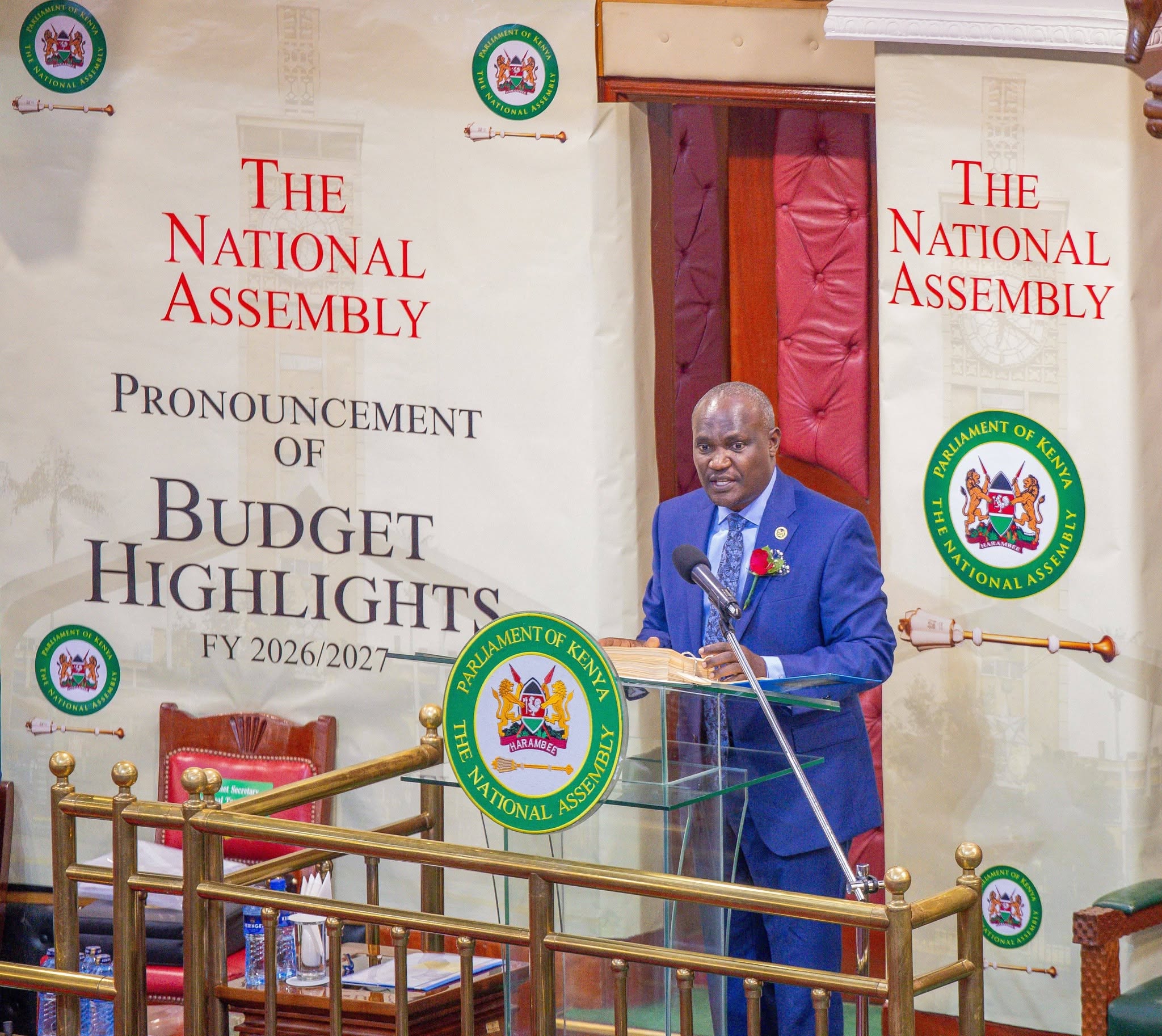
Thousands of intern teachers across Kenya will have to wait longer before securing permanent and pensionable jobs after the government postponed their planned absorption to 2027. The announcement came during the presentation of the 2026/2027 national budget, a move that is likely to trigger fresh debate among educators and unions who have been advocating for faster confirmation of teachers serving under internship contracts.
The Teachers Service Commission (TSC) remains one of the biggest beneficiaries of government funding after receiving an allocation of KSh424.3 billion. The funding forms part of the larger education budget, which continues to receive the largest share of national expenditure due to its critical role in supporting learning institutions and implementing education reforms.
Despite the substantial allocation, the government has opted to spread out the transition of intern teachers into permanent employment. According to budget estimates, 20,000 intern teachers will be absorbed on permanent and pensionable terms beginning January 2027. An additional group of 24,000 teachers is expected to secure similar employment later in July 2027.
To support the planned transition, the Treasury has set aside billions of shillings, while also allocating funds to sustain the internship programme in the meantime. The decision means that thousands of teachers currently working in schools under internship arrangements will continue serving under temporary contracts for a longer period than initially expected.
The delay comes at a time when many schools are still struggling with teacher shortages, particularly in Junior Secondary Schools (JSS), where demand for qualified teachers has risen significantly following the rollout of the Competency-Based Curriculum (CBC). Education stakeholders have repeatedly argued that converting intern teachers into permanent staff would help stabilize staffing levels and improve learning outcomes.
Teacher unions have also expressed concern over the prolonged reliance on internship programmes. They maintain that intern teachers carry out the same responsibilities as their permanently employed counterparts but often earn lower wages and do not enjoy the same employment benefits. Union leaders have consistently called on the government to prioritize teacher recruitment and improve working conditions across the education sector.
The government’s decision is largely attributed to budgetary pressures and competing national priorities. While education remains a key focus area, authorities are balancing numerous demands across different sectors, including healthcare, infrastructure, security, and social welfare programmes.
In recent years, the government has made significant efforts to address the teacher shortage by recruiting tens of thousands of educators. These efforts have been particularly important in supporting the transition to the CBC system, which requires additional teaching personnel and specialized skills. However, stakeholders argue that more needs to be done to ensure schools have adequate staffing levels.
For many intern teachers, the latest announcement represents another period of uncertainty as they continue to wait for job security and improved terms of service. Nevertheless, government officials insist that the phased absorption plan remains on track and that all eligible teachers will eventually transition into permanent employment.