One Health Research Launched to Address Heavy Metals and Antimicrobial Resistance in Kenya
The project, funded by the Danish International Development Agency (DANIDA), seeks to investigate how heavy metals and antimicrobial-resistant microbes found in unmanaged waste affect human health, animal health, and the environment. Research activities will focus on dumpsites in Nairobi, Mombasa, and Nakuru counties, where rapid urbanisation has intensified waste management challenges
One Health Research Launched to Address Heavy Metals and Antimicrobial Resistance in Kenya
By : Mweru Mbugua
Kenya has launched a major One Health research initiative aimed at addressing the growing threats of heavy metals exposure and antimicrobial resistance (AMR), particularly around major dumpsites in the country
The project, funded by the Danish International Development Agency (DANIDA), seeks to investigate how heavy metals and antimicrobial-resistant microbes found in unmanaged waste affect human health, animal health, and the environment. Research activities will focus on dumpsites in Nairobi, Mombasa, and Nakuru counties, where rapid urbanisation has intensified waste management challenges
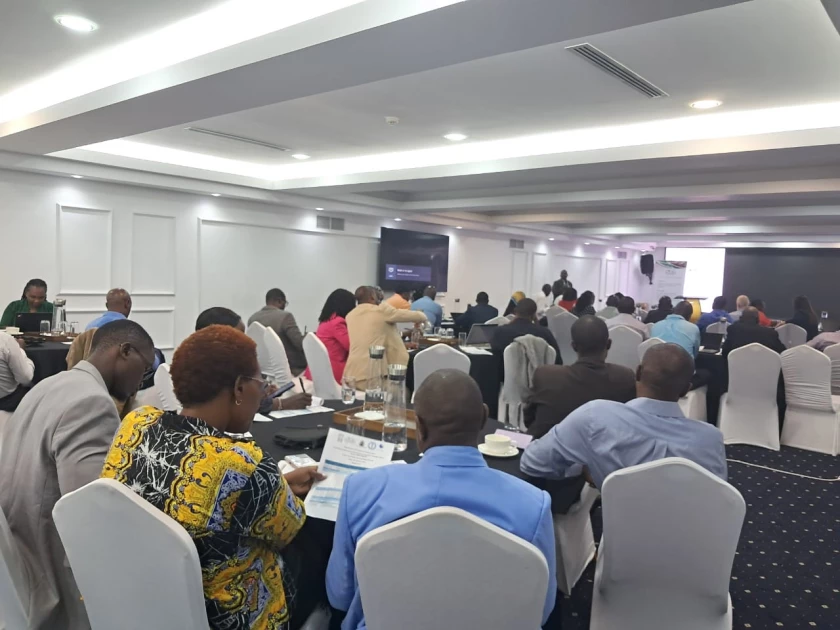
The initiative brings together researchers from the Technical University of Denmark (DTU), the Kenya Agricultural and Livestock Research Organization (KALRO), the Kenya Medical Research Institute (KEMRI), and the University of Nairobi (UoN). Using a One Health approach, the team will collect and analyse samples from humans, animals, and the surrounding environment to better understand the interconnected risks
One Health Research Launched to Address Heavy Metals and Antimicrobial Resistance in Kenya
“This project will be using a One Health approach whereby we will be collecting samples from humans, animals, and the environment around dumping sites,” said Dr. Cecilia Mbae, a researcher at KEMRI
Unmanaged waste continues to pose serious toxicity threats, particularly to waste pickers and communities living near dumpsites. Many of those affected remain unaware of the dangers associated with prolonged exposure to heavy metals and resistant microbes, often resulting in severe health complications and, in some cases, death
According to Dr. Moses Olum, Deputy Institute Director at KALRO, the project will also serve as an awareness platform. “We want people to understand the risks associated with waste, learn how to manage and mitigate them, and explore safe ways of utilising waste through recirculation while protecting communities around dumpsites,” he said
Beyond direct exposure, the research will examine how microbial material is transferred through the food chain. Livestock that feed at dumpsites may carry harmful microbes, which can then be passed on to humans through the consumption of contaminated meat
Antimicrobial resistance occurs when bacteria, fungi, and other germs develop the ability to withstand drugs meant to eliminate them, leading to infections that are difficult or impossible to treat
The World Health Organisation lists AMR among the top global public health and development threats, estimating that it was directly responsible for 1.27 million deaths worldwide in 2019 and contributed to nearly 5 million deaths overall
Over the five-year duration of the project, researchers plan to work closely with the National Environment Management Authority (NEMA) to generate data that will support improved waste management systems across all 47 counties
“In our study, we will be referencing standards established by the Kenya Bureau of Standards to determine acceptable levels of heavy metals in various products,” Dr. Olum added
The findings are expected to inform policy, strengthen public awareness, and contribute to safer environmental and public health practices nationwide