1,189 People Sentenced Over Political Goonism Since 2022, Murkomen Says
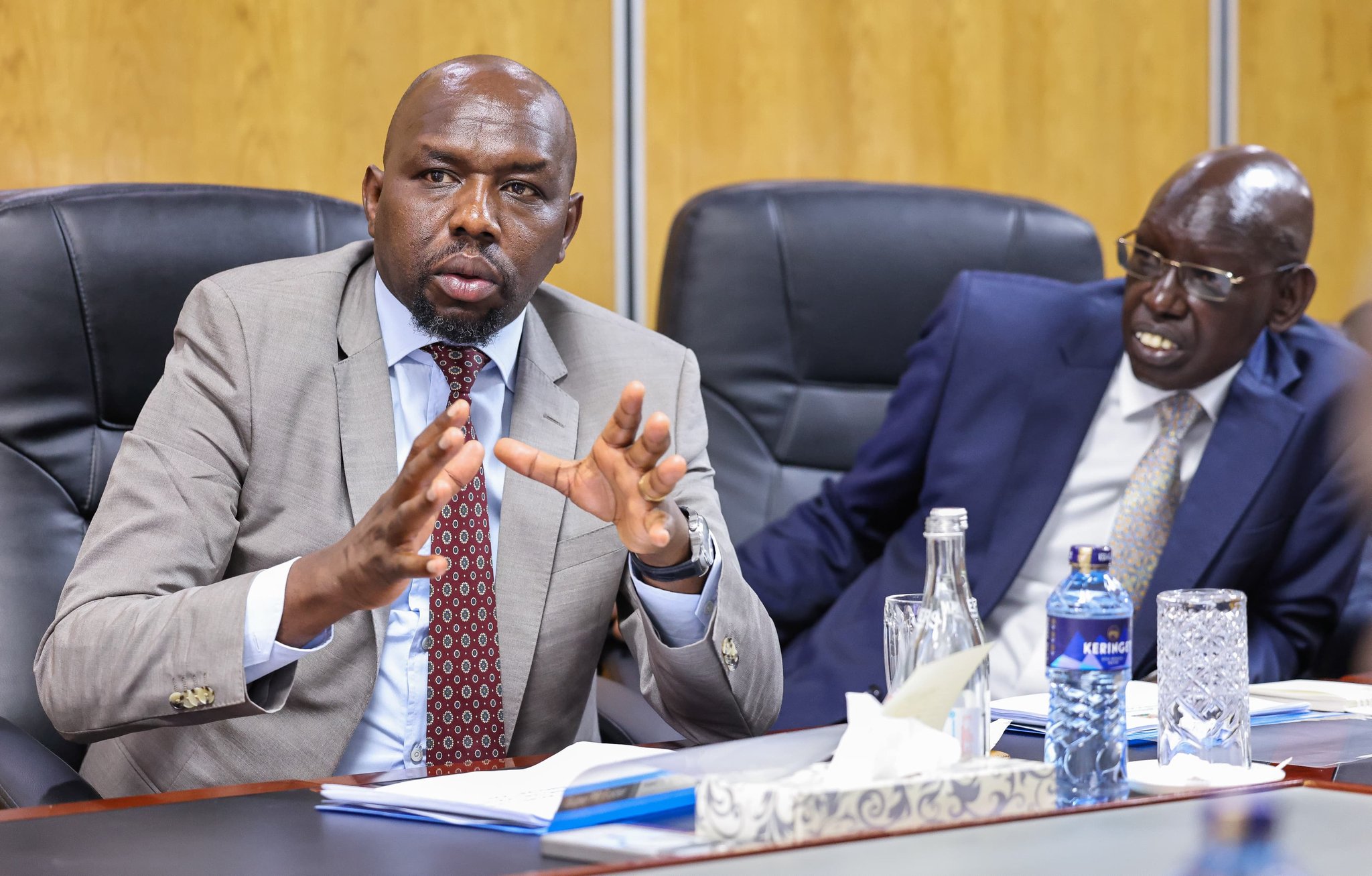
A total of 1,189 people have been sentenced for offences linked to political goonism since 2022, Interior and National Administration Cabinet Secretary Kipchumba Murkomen has told the Senate.

A total of 1,189 people have been sentenced for offences linked to political goonism since 2022, Interior and National Administration Cabinet Secretary Kipchumba Murkomen has told the Senate.
Murkomen disclosed the figures on Wednesday, September 16, 2026, while appearing before the Senate plenary to respond to questions concerning national security, public safety and the government’s response to crime involving young people.
According to the Cabinet Secretary, men account for the majority of those serving sentences for offences classified under political goonism. Of the 1,189 people, 1,053 are men while 136 are women.
Murkomen said the figures demonstrate that security agencies have taken action against individuals involved in criminal activities associated with political mobilisation.
“This is enough evidence for the people who say that police are doing nothing to arrest goons,” Murkomen told senators.
The disclosure comes as concerns over political violence and the use of organised groups at political gatherings continue to grow ahead of the 2027 General Election.
Political meetings and rallies have increasingly become a focus of security agencies, with authorities warning politicians against recruiting or using young people to disrupt opponents, intimidate supporters or engage in violence.
Murkomen has previously directed the National Police Service and the Directorate of Criminal Investigations to adopt a preventive approach by acting on intelligence before suspected criminal groups reach political gatherings.
More than 121,000 youths incarcerated
The Interior CS also provided senators with broader statistics concerning young people who have been incarcerated in Kenya over the past four years.
According to the data presented to the Senate, 121,870 youths were incarcerated between 2022 and 2026.
The figure includes 23,676 youths in 2022, 31,331 in 2023, 34,776 in 2024, 23,961 in 2025 and 8,126 in 2026.
Of the total, 109,745 were male while 12,125 were female.
Murkomen said 11,824 youths were imprisoned for offences associated with criminal gang activities, violent extremism and political goonism.
Criminal gang-related offences accounted for 9,959 of the cases, while 676 youths were imprisoned for violent extremism. Political goonism accounted for the remaining 1,189 cases.
The Cabinet Secretary said sentences handed down by courts varied depending on the seriousness of the offences, with punishments ranging from short custodial terms to life imprisonment and, where applicable under the law, the death penalty.
Government targets root causes
Beyond arrests and prosecutions, Murkomen said the government was implementing programmes aimed at addressing some of the social and economic factors associated with youth involvement in crime.
He cited youth empowerment initiatives, vocational training, employment programmes and rehabilitation as part of the government’s broader response.
Among the programmes mentioned are the Youth Enterprise Development Fund, Ajira Digital Programme, Kenya Youth Employment and Opportunities Project, Climate Workx and the National Youth Opportunities Towards Advancement programme.
The government is also supporting rehabilitation programmes within correctional facilities. Murkomen said 4,610 youths had successfully completed rehabilitation and reintegration programmes since 2022.
The programmes include counselling, psychosocial support, formal education, vocational training, creative arts, sports and technical skills development.
Political violence ahead of 2027
The latest figures come as political activity increases across the country ahead of the 2027 General Election.
Security agencies have been under pressure to prevent violence at political gatherings while ensuring that citizens are allowed to participate in political activities.
The Independent Electoral and Boundaries Commission has also raised concerns over political intolerance and the use of groups to disrupt political meetings, warning that such conduct could undermine peaceful elections.
The Interior CS’s Senate appearance therefore places renewed attention on the relationship between youth unemployment, organised crime, political mobilisation and election-related violence as Kenya moves closer to the 2027 polls.
The government is now combining law-enforcement measures with rehabilitation, skills development and youth empowerment programmes as it seeks to address both criminal activity and some of the conditions that can expose young people to organised crime.