WHO Chief to Visit DR Congo as Ebola Outbreak Raises Alarm
The World Health Organization (WHO) Director-General is set to travel to the Democratic Republic of Congo (DRC) following a renewed Ebola outbreak that has triggered concern among health authorities and international partners.

The World Health Organization (WHO) Director-General is set to travel to the Democratic Republic of Congo (DRC) following a renewed Ebola outbreak that has triggered concern among health authorities and international partners.
The visit is aimed at strengthening response efforts and supporting ongoing containment measures as the country battles to control the spread of the deadly virus.
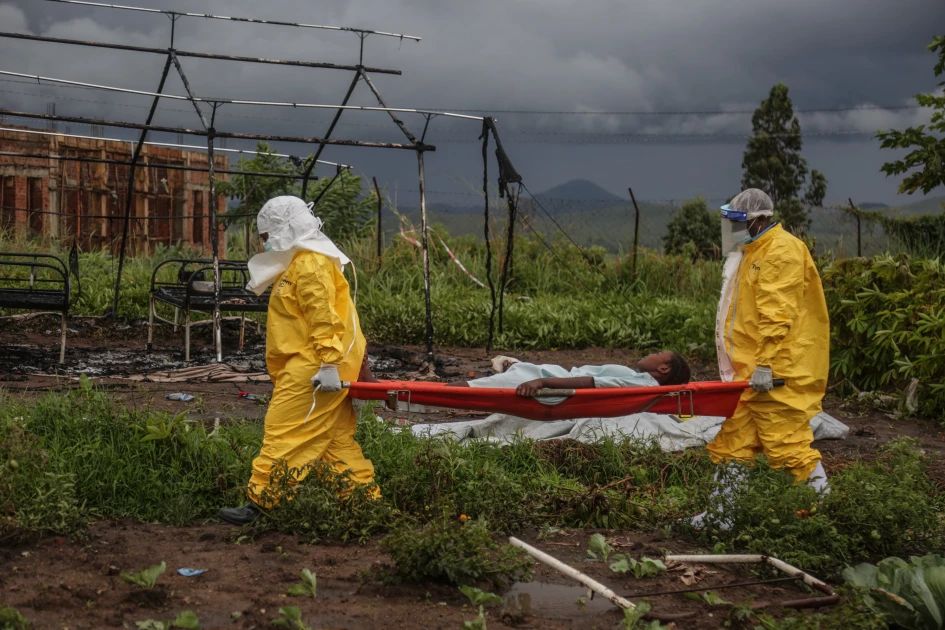
The outbreak, which has emerged in several parts of the DRC, has placed significant pressure on the country’s fragile health system. Early reports indicate rising numbers of suspected and confirmed cases, prompting emergency interventions from both national health authorities and global health agencies.
According to WHO officials, the situation requires urgent coordination to prevent further spread, especially in remote and hard-to-reach regions where access to healthcare is limited. The organization has already deployed experts in epidemiology, laboratory testing, and infection prevention to support local response teams on the ground.
Ebola is a highly infectious viral disease transmitted through direct contact with infected bodily fluids or contaminated materials. Symptoms include fever, weakness, vomiting, diarrhea, and in severe cases, internal and external bleeding. Despite advances in treatment and vaccine development, Ebola continues to pose a serious public health threat in areas with weak healthcare infrastructure.
The DRC has experienced multiple Ebola outbreaks over the years, making it one of the most frequently affected countries globally. Health officials say the recurrence of outbreaks highlights ongoing challenges in disease surveillance, community awareness, and emergency preparedness.
The WHO Director-General’s visit is expected to focus on assessing the scale of the outbreak, meeting frontline health workers, and coordinating with government officials on strengthening response mechanisms. The visit will also seek to mobilize additional international support to ensure adequate resources are available for containment efforts.
One of the major concerns in the current outbreak is the difficulty of reaching affected communities. Many of the impacted regions are remote, with poor road networks and limited healthcare facilities. In addition, insecurity in some areas has complicated response operations, making it harder for health teams to trace contacts and isolate suspected cases.
Community mistrust and misinformation have also been identified as key challenges. In past outbreaks, fear and misunderstanding have led some communities to resist health interventions, slowing down efforts to contain the disease. Health agencies are now intensifying public awareness campaigns to encourage early reporting of symptoms and cooperation with medical teams.
International partners, including United Nations agencies and humanitarian organizations, are providing logistical and medical support such as protective equipment, treatment supplies, and laboratory kits. Neighboring countries have also stepped up surveillance at border points to reduce the risk of cross-border transmission.
While WHO has stated that the global risk remains relatively low, the regional risk is considered significant due to population movement and porous borders. Uganda and other neighboring states have increased monitoring measures as a precaution.
The WHO has emphasized that early detection, rapid isolation, and community engagement remain the most effective tools in controlling Ebola outbreaks. Health workers continue to operate under challenging conditions, but their efforts remain central to preventing further escalation of the disease.
As the WHO Director-General prepares to arrive in the DRC, global health authorities are closely watching the situation, with hopes that strengthened coordination will help bring the outbreak under control in the coming weeks.