Tanzania Commission Confirms 500+ Deaths in Election Violence Report
Beyond the casualty figure, the report has triggered a new political debate over accountability, transparency, and the credibility of investigations into one of the country’s most disputed election periods.

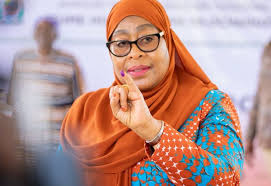
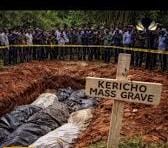
A government-appointed commission of inquiry has reported that at least 518 people were killed in violence that broke out during Tanzania’s elections last October, in the first official acknowledgment of the scale of the deadly unrest.
Beyond the casualty figure, the report has triggered a new political debate over accountability, transparency, and the credibility of investigations into one of the country’s most disputed election periods.
The commission placed blame for the violence on protesters, a position that has sharply divided opinion and drawn criticism from opposition groups and rights observers who argue that the findings lack independence.
The commission’s conclusions contrast earlier estimates by the U.N. human rights office, which said hundreds were killed following the exclusion of leading opposition candidates from presidential and parliamentary elections. The main opposition party has maintained that the death toll may be in the thousands, further highlighting the dispute over official figures.
Tanzanian authorities had previously declined to release casualty data, saying they were awaiting the commission’s report after it was appointed by President Samia Suluhu Hassan in November. The government has also consistently rejected allegations by human rights organisations that security forces used excessive force during the unrest.
Speaking during the handover of the report, commission chair Mohamed Chande Othman said the death toll could be higher due to difficulties in identifying victims. He said the panel avoided assigning direct blame to law enforcement and instead recommended the creation of a separate criminal investigation body to probe specific incidents.
Chande said the commission had “indisputable evidence” that the violence was organised and funded by “trained people,” but did not identify those allegedly involved.
“Organisers used various techniques, including using people without deep understanding and desperate youth, while encouraging simultaneous acts of violence across different locations,” he said.
President Hassan, who was declared winner of the election with nearly 98% of the vote, has said the unrest was an attempt to overthrow her government and alleged foreign involvement, without providing evidence.
The commission’s report has not been released in full, with Hassan describing it as “the property of the president,” a position that has raised further concerns about access to information and public accountability.
Opposition party CHADEMA rejected the findings, saying a government facing allegations of abuses cannot credibly investigate itself, deepening mistrust over the entire inquiry process.
The report also references allegations of shootings in homes and commercial areas, including in Mwanza. Reuters investigations previously found that police officers killed more than a dozen unarmed young men at a cafe far from any protest activity, alongside other reported incidents in different cities.
The government has maintained that security forces acted within the law and said many allegations were based on unverified or out-of-context information.