Rwanda Shuts Down Thousands of Evangelical Churches in Sweeping Regulatory Crackdown
Among those affected is Grace Room Ministries, once known for filling large stadiums in Kigali several times a week, before its operations were halted in May

By : Mweru Mbugua
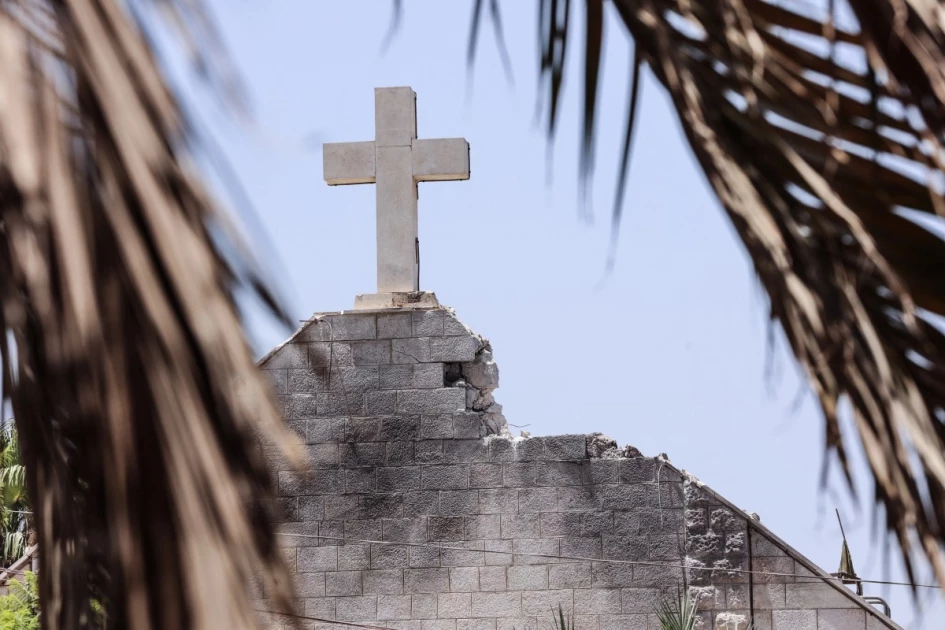
Rwanda has closed an estimated 10,000 evangelical churches in a sweeping government crackdown, citing failure to comply with a 2018 law regulating places of worship
Among those affected is Grace Room Ministries, once known for filling large stadiums in Kigali several times a week, before its operations were halted in May
Authorities say many of the shuttered churches did not meet requirements on health and safety standards, financial transparency, and theological training for preachers
President Paul Kagame has been outspoken in his criticism of the rapid spread of evangelical churches across the country
Speaking at a news briefing last month, Kagame questioned their contribution to national development, accusing some of exploiting worshippers

“Many are just thieving… some churches are just a den of bandits,” the president said, adding that if it were up to him, he would not reopen any of the closed churches.
The 2018 legislation introduced strict rules requiring churches to submit annual action plans aligned with “national values,” disclose finances, and channel donations through registered bank accounts. All preachers are also required to have formal theological training.
According to Rwanda’s 2024 census, the vast majority of citizens identify as Christian. However, the closures have forced many believers to travel long and costly distances to find places of worship
Some analysts argue the clampdown goes beyond regulation. Kigali-based lawyer and political analyst Louis Gitinywa told AFP that the government is wary of organisations gaining significant influence
An anonymous government official echoed the view, suggesting the ruling party is uncomfortable with any rival centres of power
Pastor Sam Rugira, whose two church branches were closed last year over fire safety concerns, said the rules have disproportionately affected newer evangelical churches that have “mushroomed” in recent years
Kagame has also described the church as a legacy of colonialism, accusing religious institutions of deceiving Rwandans during that period. “You have been deceived by the colonisers and you let yourself be deceived,” he said in November
The closure of Grace Room Ministries shocked many followers. Its leader, Pastor Julienne Kabanda, had been attracting large crowds at Kigali’s BK Arena before the church’s licence was revoked
Also read : Two Children Hospitalised After Alleged Beating Over Missing Chama Money
The government cited unauthorised evangelical activities and failure to submit annual financial and activity reports. AFP was unable to reach Kabanda for comment
Church leaders warn that relations between the state and religious institutions may worsen
One senior church official in Kigali, speaking anonymously, said the president’s “open disdain and disgust” for churches signals “tough times ahead,” adding that even compliant churches have been affected
Others link the government’s stance to security concerns rooted in the 1994 genocide, in which about 800,000 people, mostly ethnic Tutsis, were killed
Ismael Buchanan, a political science lecturer at the National University of Rwanda, said some churches have previously acted as recruitment channels for the Democratic Forces for the Liberation of Rwanda (FDLR), a Hutu militia formed in exile after the genocide
While acknowledging the role of faith in national healing, Buchanan argued that the proliferation of churches is excessive. “It makes no sense to have a church every two kilometres instead of hospitals and schools,” he said
Pastor Rugira, however, believes the government is “regulating what it doesn’t understand” and should instead work with churches to address misconduct while helping them meet regulatory standards, particularly on financial compliance