
Ruto’s foreign trader directive puts Pan-African agenda under scrutiny
President William Ruto’s latest directive targeting foreign nationals operating small businesses in Kenya has sparked a wider debate over the country’s commitment to Pan-Africanism.

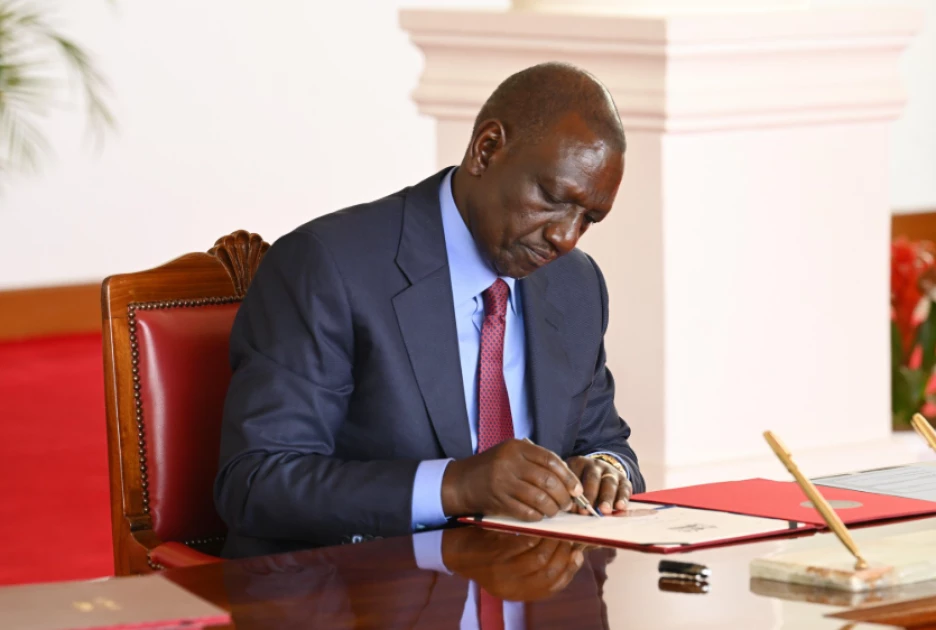
President William Ruto’s latest directive targeting foreign nationals operating small businesses in Kenya has sparked a wider debate over the country’s commitment to Pan-Africanism.
The President has in recent years positioned himself as a strong supporter of closer African integration, advocating for easier movement of people, increased trade between African countries and fewer barriers across the continent.
However, his recent remarks on foreign traders have raised questions about how those ideals can be balanced with the government’s efforts to protect Kenyan businesses and employment opportunities.
Speaking to micro and small enterprise traders at State House, Nairobi, Ruto directed enforcement agencies to remove foreigners involved in small-scale retail businesses and hawking without the necessary permits.
He argued that Kenya should attract foreign investors who establish industries, create jobs and contribute significantly to the economy rather than foreigners competing with Kenyans in low-capital businesses.
Ruto maintained that the government had worked to improve the investment environment so that international investors could come to Kenya to manufacture goods and establish major enterprises.
The President’s position received support from many local informal traders who have complained about growing competition in the sector. Some Kenyan traders have accused foreign nationals of entering businesses such as hawking and small retail, areas they believe should provide opportunities for local entrepreneurs.
At the same time, the directive has caused concern among foreign nationals from other African countries who conduct legitimate business in Kenya.
The debate comes at a time when Ruto has repeatedly called for African countries to reduce restrictions on movement and strengthen economic ties.
During a previous engagement with nationals of Congo-Brazzaville, the President highlighted the importance of allowing people to move more freely across African borders. He argued that increased movement could encourage the exchange of ideas, improve relationships and create new business opportunities.
Ruto has also used international platforms to campaign for greater African economic independence. He has called for stronger intra-African trade and reforms to global financial institutions, which he argues have historically placed African countries at a disadvantage.
His administration has further pushed the idea of reducing Africa’s dependence on external financial systems while encouraging countries on the continent to work together more closely.
The latest directive, however, presents a different picture domestically.
While the government continues to support regional integration, it is also drawing boundaries around participation in parts of Kenya’s informal economy. The move has therefore created a tension between protecting local economic interests and maintaining the broader vision of an increasingly integrated Africa.
The government has stressed that the directive is not aimed at legitimate foreign investors or individuals who have the required permits to conduct business.
Instead, officials say the focus is on foreigners operating small-scale businesses without proper authorisation.
For Kenyan traders, the measure could provide relief in markets where competition is intense and profit margins are already low. They argue that protecting opportunities for citizens is necessary, particularly at a time when many young people and small entrepreneurs are struggling to find sustainable sources of income.
For critics, however, the policy could raise concerns about whether Kenya is moving away from the open-border principles that Ruto has promoted across Africa.
The situation has consequently placed the President’s Pan-African message under renewed scrutiny.
The central question now is whether Kenya can protect the interests of its local traders while still remaining committed to the freer movement of people, goods and businesses that Ruto has consistently advocated for across the continent.