Ruto Broadens Political Base in Ukambani as Contest for Eastern Kenya Votes Heats Up
President William Ruto has intensified his political campaign in the Ukambani region by bringing more leaders into the Kenya Kwanza fold, signaling a determined effort to challenge the opposition's long-standing dominance in Eastern Kenya ahead of the 2027 General Election.

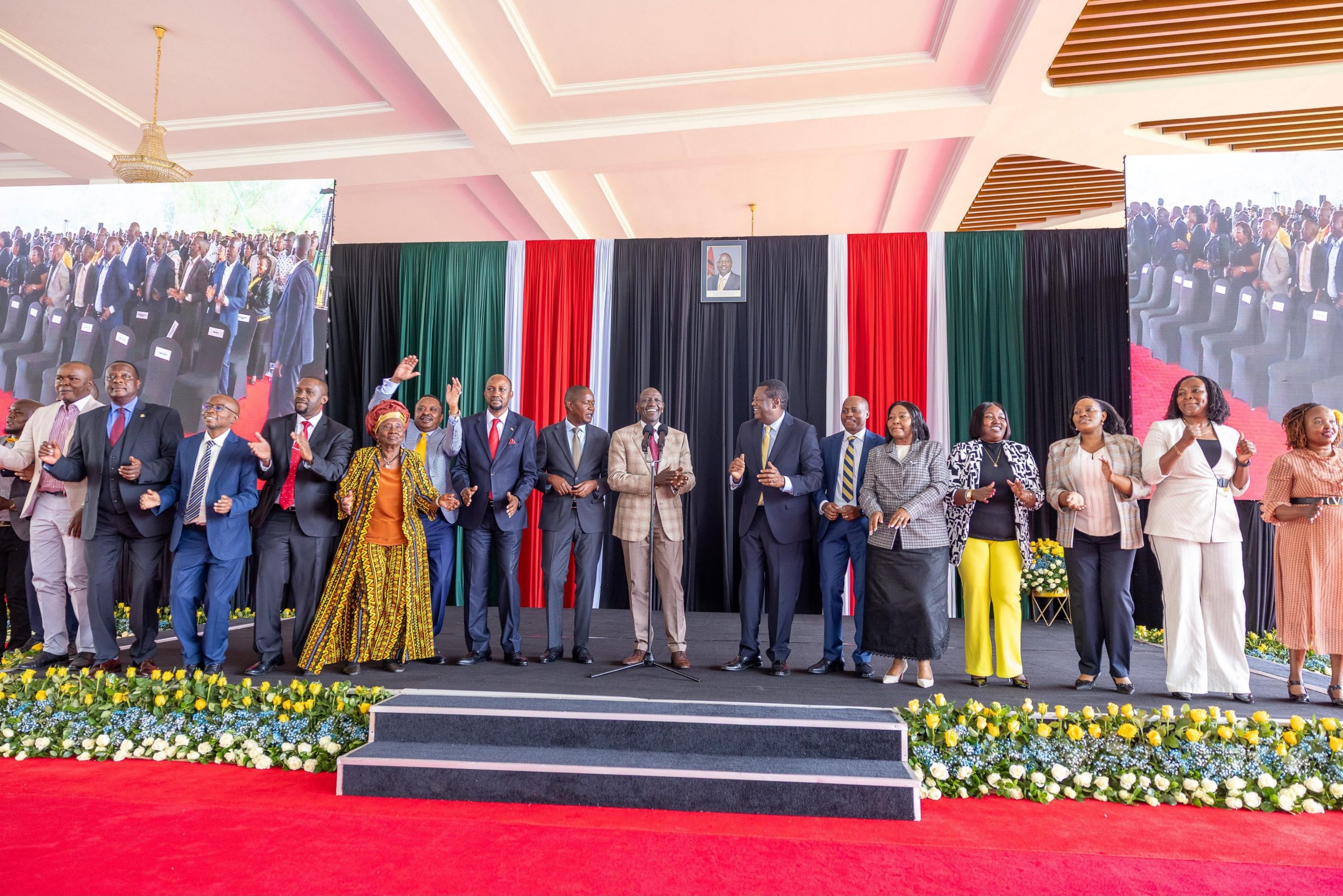
President William Ruto has intensified his political campaign in the Ukambani region by bringing more leaders into the Kenya Kwanza fold, signaling a determined effort to challenge the opposition’s long-standing dominance in Eastern Kenya ahead of the 2027 General Election.
The latest political realignments reflect the growing importance of the region, which boasts more than two million registered voters and is expected to play a significant role in deciding the next presidential race. As competition for support intensifies, both the ruling coalition and the opposition are investing heavily in grassroots mobilization and recruitment of influential local leaders.
In a move aimed at strengthening the United Democratic Alliance (UDA) in the region, President Ruto has endorsed new political figures to spearhead the party’s activities, particularly in Makueni, Machakos and Kitui counties. The appointments are intended to build a stronger party structure and prepare candidates capable of mounting competitive campaigns in areas that have traditionally supported the Wiper Democratic Movement.
One of the most notable additions is former Kenya Medical Training College (KMTC) Board Chairperson Phillip Kaloki, who has been unveiled as UDA’s preferred candidate for the Makueni governorship. His entry into the ruling party is seen as part of a wider strategy to attract experienced leaders with established political influence.
Political analysts believe the Kenya Kwanza administration is seeking to erode the opposition’s dominance by strengthening its presence at the grassroots level while highlighting government development projects across the region. In recent months, President Ruto has made several visits to Ukambani, commissioning infrastructure projects, meeting local leaders and promising increased investment in key sectors such as roads, water, agriculture and healthcare.
The region has historically been regarded as the political stronghold of Wiper Patriotic Front Party leader Kalonzo Musyoka, whose influence has remained largely intact over the years. However, Kenya Kwanza believes sustained engagement with local communities and recruitment of respected leaders could gradually shift political loyalties before the next election.
At the same time, Kalonzo and his allies continue to consolidate their support base, insisting that the region remains firmly behind the opposition. They have intensified public rallies and consultations aimed at preserving Wiper’s influence while strengthening alliances with other opposition parties.
Observers note that the battle for Ukambani is no longer just about regional politics but forms part of a broader national strategy as political parties position themselves for the 2027 presidential contest. Securing a significant share of the Eastern Kenya vote could provide a major advantage to any presidential candidate seeking victory.
With political campaigns gradually gaining momentum, both Kenya Kwanza and the opposition are expected to intensify their activities across Ukambani in the coming months. More defections, strategic alliances and high-profile appointments are anticipated as each side seeks to strengthen its position before the official campaign period begins.