Mt. Kenya Leaders Reject Gachagua’s Push for Single Party as Opposition Unity Faces Fresh Test
Fresh divisions have emerged within Kenya's opposition after several senior leaders from the Mt. Kenya region publicly rejected calls by Democracy for Citizens Party (DCP) leader Rigathi Gachagua for smaller parties to dissolve and merge into his outfit.

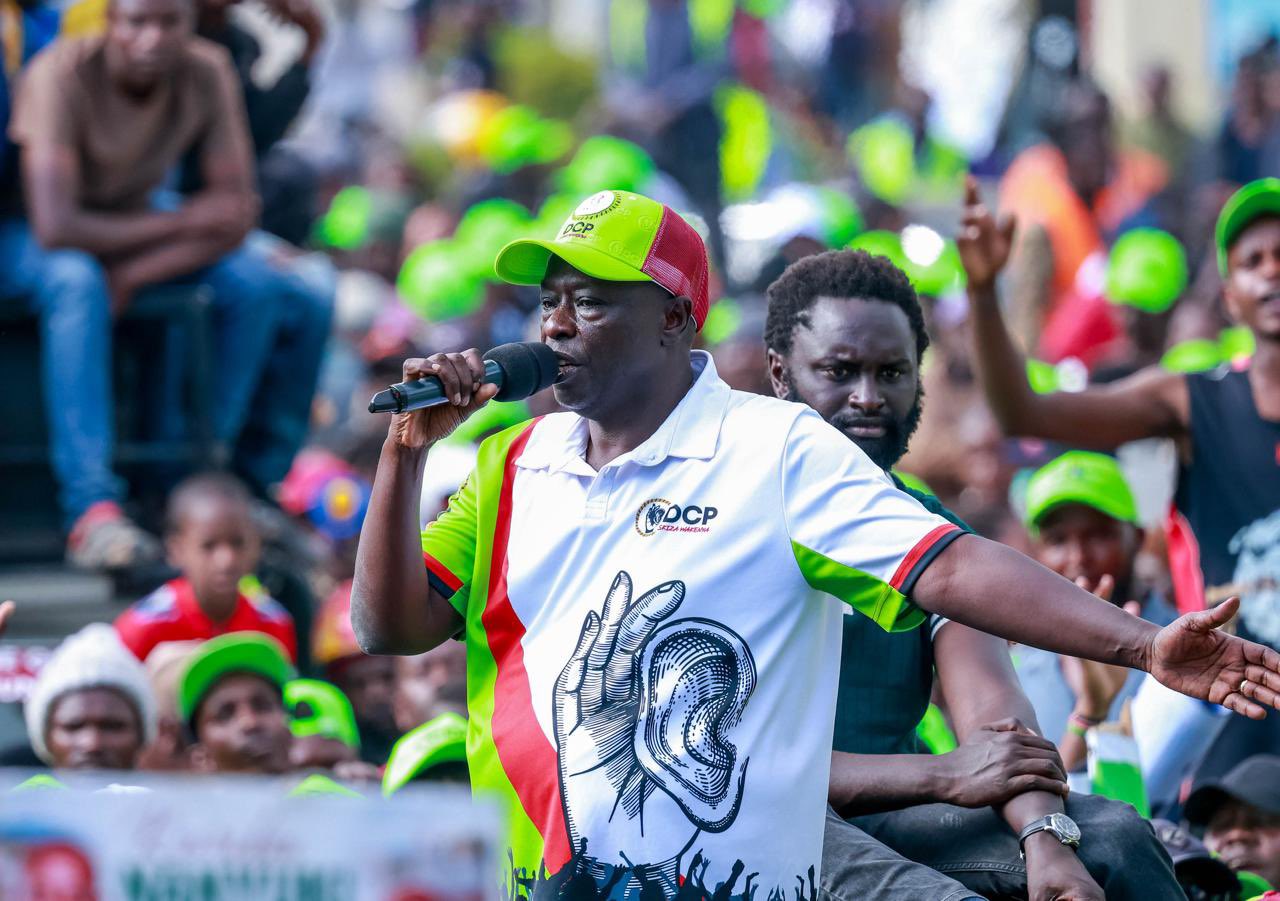
Fresh divisions have emerged within Kenya’s opposition after several senior leaders from the Mt. Kenya region publicly rejected calls by Democracy for Citizens Party (DCP) leader Rigathi Gachagua for smaller parties to dissolve and merge into his outfit.
The disagreement has exposed growing tensions over the future structure of the opposition coalition as leaders work to unite ahead of the 2027 General Election.
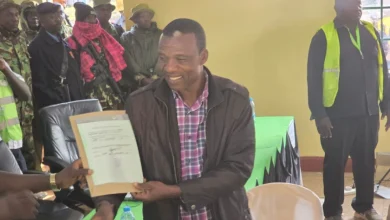
Speaking during a joint press briefing, leaders from the Democratic Party (DP), Party of National Unity (PNU), and Devolution Empowerment Party (DEP) criticized Gachagua’s proposal, insisting that no individual has the authority to dictate the political direction of the Mt. Kenya region.
Democratic Party leader Justin Muturi questioned why parties that have existed for years should be expected to dissolve and join a newly formed political party.
He argued that political unity should be achieved through consultation and mutual agreement rather than pressure or public declarations, adding that every political party deserves respect regardless of its size.
PNU leader Peter Munya also dismissed suggestions that Gachagua had been endorsed as the region’s sole political spokesman.
Munya maintained that no consensus had been reached giving Gachagua the mandate to speak on behalf of all Mt. Kenya leaders or political parties.
He warned that attempts to centralize regional politics under one party could undermine democratic values and weaken the broader opposition movement.
According to Munya, successful political coalitions are built through dialogue, equality, and respect for the independence of partner parties rather than demands for dissolution.
DEP leader Lenny Kivuti echoed similar sentiments, saying affiliate parties have every right to express their concerns publicly while remaining committed to the wider opposition agenda.
He defended open debate among coalition partners, arguing that discussing disagreements does not amount to disunity but instead strengthens democratic engagement.
The dispute comes at a critical moment as Wiper Party leader Kalonzo Musyoka intensifies efforts to bring together opposition parties under a new political coalition expected to challenge President William Ruto’s Kenya Kwanza alliance in the 2027 elections.
Following authorization by the Azimio la Umoja Coalition’s leadership to spearhead consultations, Kalonzo held meetings with Gachagua and DAP-Kenya leader Eugene Wamalwa to discuss the formation of a united opposition front.
According to Kalonzo, the talks focused on strengthening cooperation and building consensus among like-minded political parties ahead of the next general election.
Despite the latest disagreements, the leaders insisted they remain committed to working together to unseat the Kenya Kwanza administration. However, they cautioned that unity cannot be achieved through dominance by one party or one leader.