Mombasa MCAs Raise Alarm Over Delayed Projects as 2027 Elections Approach
Tensions are emerging between the Mombasa County Assembly and Governor Abdulswamad Nassir’s administration over the implementation of development projects, with ward representatives expressing concern about growing public dissatisfaction ahead of the 2027 General Election.

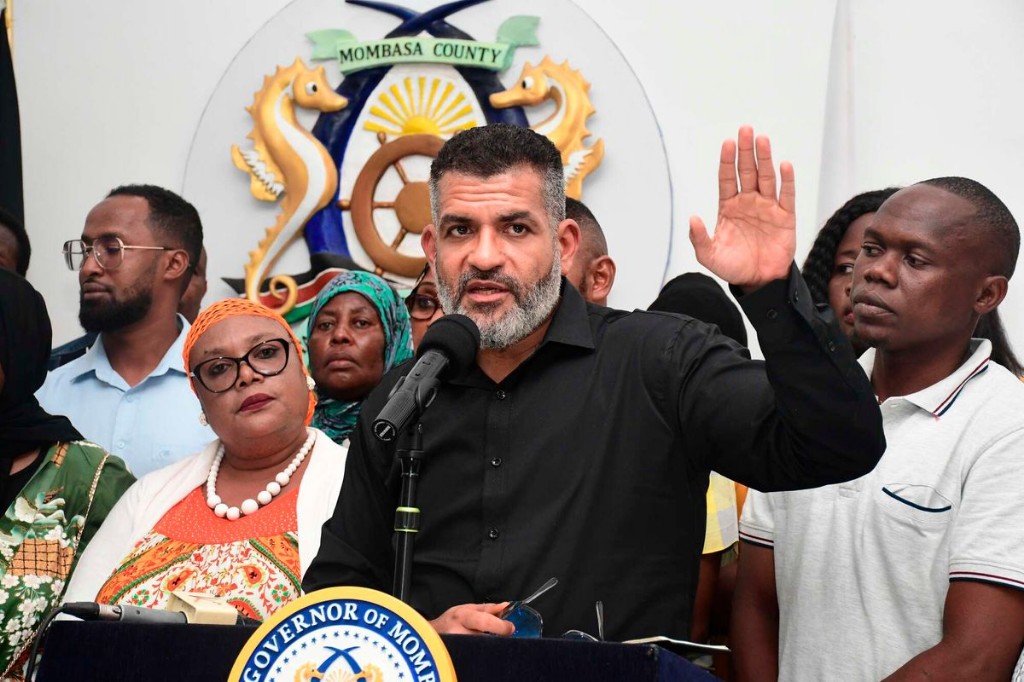
Tensions are emerging between the Mombasa County Assembly and Governor Abdulswamad Nassir’s administration over the implementation of development projects, with ward representatives expressing concern about growing public dissatisfaction ahead of the 2027 General Election.
Several Members of the County Assembly (MCAs) say residents are increasingly demanding explanations over projects promised in their respective wards but which have yet to be completed or implemented.
The concerns have placed pressure on both the county executive and the Assembly, with legislators acknowledging that their development records could become a major issue when voters head to the ballot.
Deputy Speaker Fadhili Makarani has urged the two arms of county government to improve cooperation, arguing that approved budgets should translate into actual projects that improve residents’ lives.
He cautioned against repeatedly approving development allocations without ensuring that the proposed projects are implemented.
Some MCAs have also admitted that the Assembly has not always exercised sufficient scrutiny over proposals presented by the county executive, allowing certain budget decisions to pass without adequate examination.
The concerns emerged during public participation forums on the 2026 County Finance Bill and the 2027/2028 Annual Development Plan, where residents questioned stalled projects, taxation, service delivery and the use of public resources.
Among the issues raised was the failure to establish a Ward Development Fund, which Mikindani MCA Jacktone Madialo says would give ward representatives an opportunity to support development initiatives in their areas.
Madialo also criticised the exclusion of university and college students from the county bursary programme, announcing plans to introduce a motion seeking their inclusion.
Residents from different parts of Mombasa also raised concerns about garbage collection charges, inadequate healthcare services, bursary distribution and delays in implementing infrastructure projects.
In Kisauni, residents demanded greater accountability over development proposals submitted to the county government, while Nyali residents questioned the exclusion of learners in national boarding schools from bursary support.
Other submissions touched on climate change, flooding, early childhood education and facilities for people living with disabilities.
Mombasa County Assembly Speaker Aharub Khatri challenged MCAs to use established oversight mechanisms to address concerns about stalled projects, including committee proceedings and formal requests for explanations from responsible departments.
He maintained that legislators have an individual responsibility to hold the executive accountable and should provide evidence when questioning the Assembly’s oversight record.
Meanwhile, Likoni MP Mishi Mboko defended Governor Nassir’s administration, pointing to investments in healthcare facilities, early childhood education and school feeding programmes.
Mombasa Governor Nassir also defended his development record, citing bursary support, improved medical facilities, free healthcare for children below five years and maternity services in county hospitals.
The political contest surrounding the governor’s re-election bid is also expected to intensify, with several potential challengers already being mentioned ahead of the 2027 polls.
Mombasa county’s proposed 2027/2028 development plan estimates available resources at KSh18.104 billion. Of this amount, KSh12.664 billion is earmarked for recurrent expenditure, while KSh5.440 billion is allocated to development.
The Finance Bill, meanwhile, seeks to review county charges, licences, rates, fees and penalties.
With residents demanding visible improvements in service delivery, the coming months will test the ability of the county administration and Assembly to turn budget commitments into completed projects.
The growing disagreement also places the spotlight on the responsibility of elected representatives to ensure that public resources translate into meaningful development before the next General Election.