Legal Battle Puts US-Backed Ebola Facility on Hold
Health Cabinet Secretary Aden Duale has confirmed that the government suspended all activities related to the controversial Ebola quarantine facility in Laikipia after the High Court issued conservatory orders stopping the project.

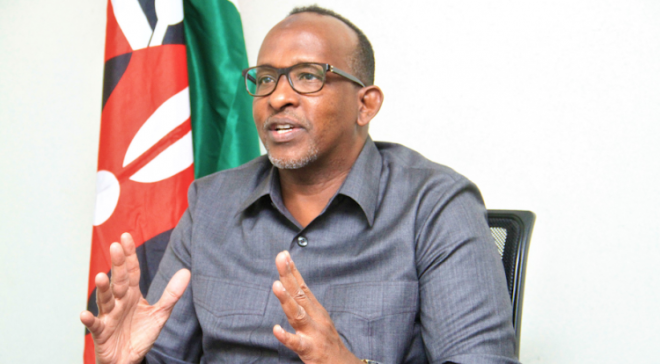
Health Cabinet Secretary Aden Duale has confirmed that the government suspended all activities related to the controversial Ebola quarantine facility in Laikipia after the High Court issued conservatory orders stopping the project.
The proposed facility, which was to be established at Laikipia Air Base in partnership with the United States, has sparked nationwide debate over public health safety, transparency and Kenya’s role in handling potential Ebola exposures involving foreign nationals.
In documents filed before the court, Duale stated that the government immediately complied with the court directive once it became aware of the orders and halted all activities connected to the collaboration. He dismissed allegations that construction continued after the injunction, saying such claims were based on speculation and unverified reports.
The project had proposed the construction of a 50-bed quarantine and monitoring centre designed to host individuals exposed to Ebola but who had not yet developed symptoms. The initiative formed part of a broader health preparedness programme supported by the United States.
However, the plan triggered strong opposition from residents, civil society groups and legal organisations, who questioned both the safety implications and the level of public participation involved in approving the project. Critics argued that Kenyans were not adequately consulted before the agreement was reached.
The case was filed by petitioners seeking greater transparency regarding the arrangement between Kenya and the United States. They demanded access to official agreements, biosafety assessments, regulatory approvals and operational guidelines governing the facility.
The High Court subsequently ordered the government to disclose the relevant documents and extended orders temporarily suspending any plans to establish Ebola quarantine, isolation or treatment centres under the contested arrangement.
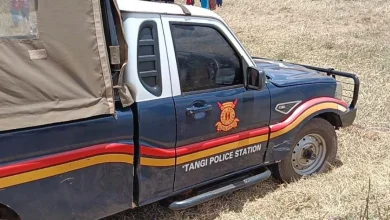
The issue has also generated public protests, particularly in Nanyuki, where demonstrators opposed the project and raised concerns that Kenya could be exposed to unnecessary health risks. The demonstrations turned violent, resulting in fatalities and escalating political pressure on the government.
Despite the controversy, government officials have maintained that Kenya remains vulnerable to Ebola outbreaks because of its regional connections, including cross-border movement and international peacekeeping missions involving neighbouring countries. Authorities insist preparedness measures are necessary to protect both Kenyans and international partners.
President William Ruto has previously defended the initiative, saying Kenya has a long history of working with international partners on health emergencies, including responses to HIV/AIDS, COVID-19 and previous Ebola threats.
The suspension of the Laikipia project now shifts attention to the ongoing court proceedings, where judges are expected to determine whether the programme complied with constitutional requirements relating to public participation, environmental safety and transparency.