Kenya Intensifies Ebola Contact Tracing After First Case
Kenyan health authorities have intensified efforts to trace and monitor people who may have been exposed to Ebola following the country’s first confirmed case of the Bundibugyo strain, which claimed the life of a Kenyan man who had travelled from the Democratic Republic of Congo.

Kenyan health authorities have intensified efforts to trace and monitor people who may have been exposed to Ebola following the country’s first confirmed case of the Bundibugyo strain, which claimed the life of a Kenyan man who had travelled from the Democratic Republic of Congo.
The patient, who had lived in the DRC for several years, travelled through Uganda before arriving at Jomo Kenyatta International Airport in Nairobi on October 3, 2026. He was taken to Nairobi Hospital, where he was isolated, tested and later confirmed to have the virus. He died on October 6.
The Ministry of Health initially identified 28 contacts, including family members and healthcare workers who attended to the patient. Authorities also began tracing 23 passengers and four crew members who travelled on the same flight.
The contact-tracing exercise was expanded as officials sought to establish everyone who might have interacted with the patient during his journey and hospital admission.
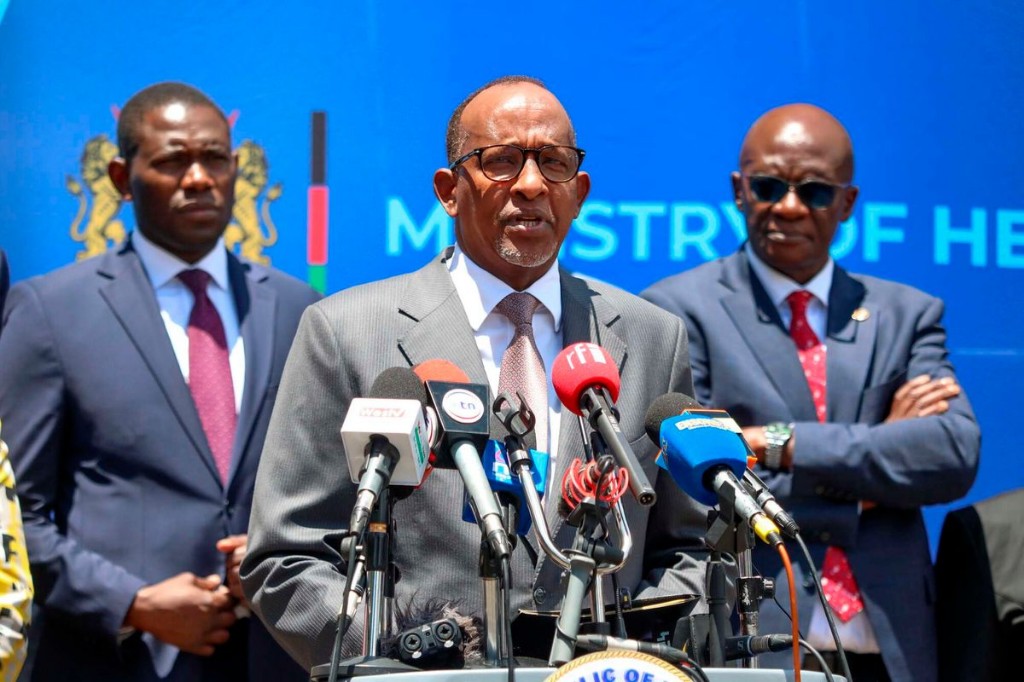
Health Cabinet Secretary Aden Duale said the government was working with relevant agencies to identify and monitor those potentially exposed to the virus. The authorities were also seeking cooperation from individuals who travelled on the same flight to establish their whereabouts.
Public health experts have warned that tracing contacts quickly is essential to preventing further transmission, particularly because infected individuals may develop symptoms several days after exposure.
The virus’s incubation period can range from two to 21 days, making continued monitoring necessary even when exposed individuals initially appear healthy.
Virologist Professor Omu Anzala noted that airline passenger records could help investigators identify travellers who shared a flight with the patient. However, tracing people who had already travelled to different parts of Kenya or continued their journeys abroad could prove more difficult.
Health experts have urged potentially exposed passengers to cooperate with authorities and provide accurate information about their movements. They have also advised against independently visiting healthcare facilities without guidance from public health teams, as this could increase the risk of further exposure.
The government has strengthened screening measures at Jomo Kenyatta International Airport, including directing travellers arriving from selected countries considered at higher risk through a designated gate for additional checks.
The Ministry of Health has urged Kenyans to remain calm while observing recommended precautions, including regular handwashing, avoiding contact with potentially infectious bodily fluids and promptly reporting suspected symptoms to health authorities.
Officials have emphasised that identifying and monitoring contacts is critical to containing the imported case before any potential chain of local transmission develops.
The government continues to work with health professionals and international partners to strengthen surveillance and prevent further spread of the virus.