
Imenti Forest Faces Growing Environmental Threat as Diaper Waste Piles Up
Imenti Forest in Meru County is facing a serious environmental crisis as large amounts of discarded disposable diapers continue to accumulate within sections of the ecosystem, raising concerns among residents, environmentalists and public health experts.

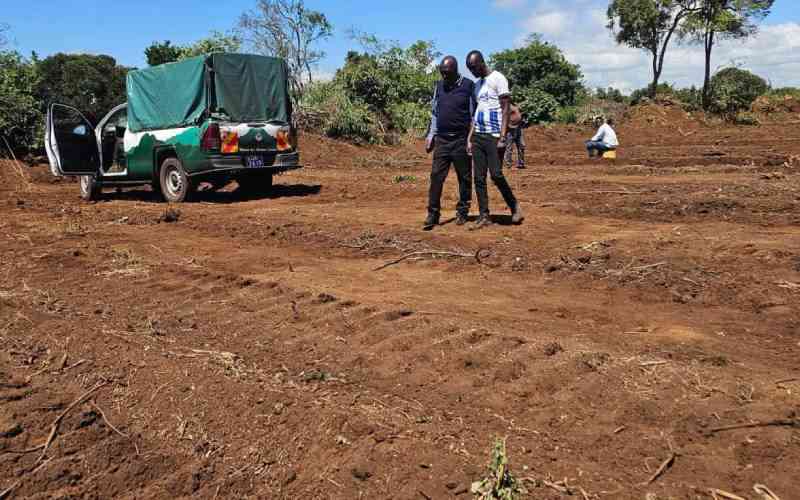
Imenti Forest in Meru County is facing a serious environmental crisis as large amounts of discarded disposable diapers continue to accumulate within sections of the ecosystem, raising concerns among residents, environmentalists and public health experts.
The growing pollution problem has turned parts of the forest into an illegal dumping site, threatening one of the region’s most important natural resources. The presence of soiled diapers scattered across the forest floor has sparked fears over environmental degradation, contamination and the potential spread of disease.
Residents living near the forest have expressed frustration over the increasing amount of waste, saying the situation has worsened in recent months. Many are calling on county authorities, environmental agencies and the Kenya Forest Service to intervene before the damage becomes irreversible.
Environmental experts warn that disposable diapers contain plastic materials and absorbent chemicals that can take hundreds of years to decompose. As they break down, harmful substances may seep into the soil and nearby water sources, threatening biodiversity and affecting both human and animal populations that depend on the forest ecosystem.
Imenti Forest is a critical water catchment area and forms part of Kenya’s broader environmental conservation network. The forest supports numerous plant and animal species while also providing ecological services that help regulate climate and protect water resources in Meru County and surrounding areas.
The waste problem comes at a time when Imenti Forest is already at the centre of public debate over proposed development projects, including plans that have drawn criticism from environmental conservation groups. Activists argue that continued pollution and human encroachment could accelerate the degradation of the fragile ecosystem.
Conservationists are now urging authorities to strengthen waste management systems and increase surveillance within protected areas to prevent illegal dumping. They are also calling for public awareness campaigns to educate communities about responsible disposal of sanitary products and the long-term consequences of environmental neglect.
Local leaders have been encouraged to establish designated waste collection centres and enforce strict penalties against individuals found dumping garbage in forests and other protected areas. Environmental groups maintain that preserving existing forests is essential if Kenya is to achieve its national tree cover and climate action goals.
Experts say protecting Imenti Forest requires a coordinated effort involving government agencies, local communities and conservation organisations. They warn that failure to act quickly could have lasting consequences for biodiversity, water security and public health.
As concerns continue to mount, residents are demanding immediate action to restore the forest and prevent further pollution. Many believe that safeguarding Imenti Forest is not only an environmental responsibility but also an investment in the wellbeing of future generations who will depend on its resources.