
Essential First Aid Steps for Treating Burns
Burn injuries are common household emergencies, often caused by hot liquids, fire, steam, chemicals, or electrical sources. Although some burns may appear minor, improper handling in the first few minutes can worsen the damage.

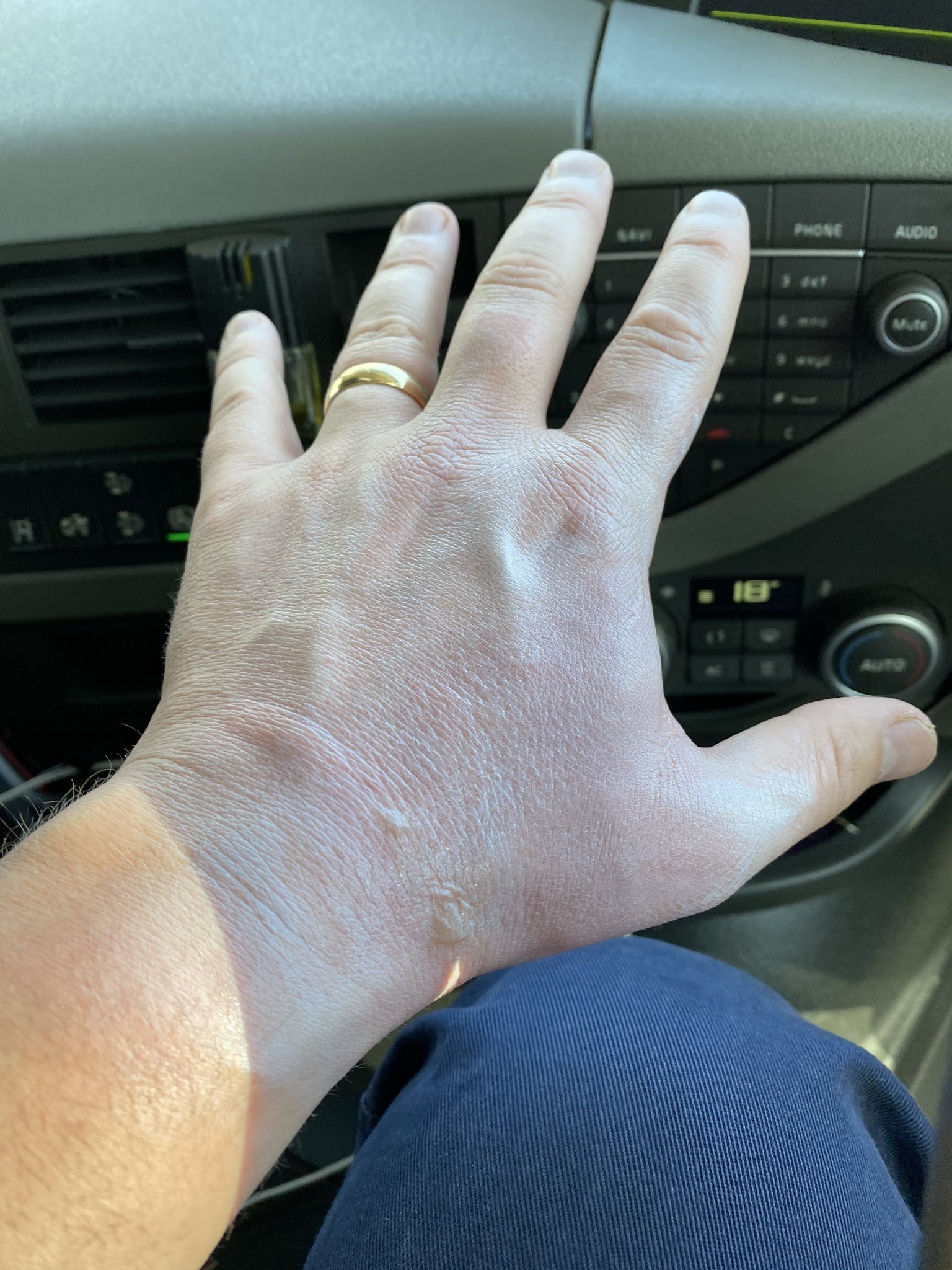
Burn injuries are common household emergencies, often caused by hot liquids, fire, steam, chemicals, or electrical sources. Although some burns may appear minor, improper handling in the first few minutes can worsen the damage. Experts stress that immediate and correct first aid plays a key role in reducing pain, limiting injury, and preventing infection.
Act Quickly by Cooling the Burn
The first response should be to cool the affected area as soon as possible. This is done by placing the burn under cool, clean running water for at least 10 to 20 minutes.
Cooling helps to stop the burning process, reduces swelling, and provides relief from pain. In situations where running water is not available, any clean cool water can be used as an alternative.
Ice should not be applied directly on the burn, as it can further damage the skin and slow down healing.
Remove Constricting Items
All tight items such as rings, bracelets, belts, or tight clothing should be removed immediately from the affected area before swelling develops.
Burns often cause rapid inflammation, and leaving tight objects on the skin can restrict blood flow and increase discomfort. However, clothing that is stuck to the skin should not be forcefully removed.
Protect the Burned Area
After cooling the burn, it should be gently covered with a clean, non-stick material such as sterile gauze or a clean cloth.
This helps to protect the wound from infection, reduce pain, and prevent further injury. In some cases, cling film may also be used to loosely cover the area.
The dressing should be light and should not apply pressure on the burn.
Avoid Harmful Remedies
Certain home remedies can make burns worse. Substances like toothpaste, butter, cooking oil, eggs, or flour should never be applied to a burn.
These materials can trap heat in the skin and increase the risk of infection. Blisters should also not be popped, as they act as a natural barrier protecting the underlying tissue.
When to Seek Medical Help
Immediate medical attention is necessary if the burn is severe, large, or located on sensitive areas such as the face, hands, feet, or genitals.
Electrical and chemical burns also require urgent hospital care. Medical help should also be sought if the pain worsens, blisters become extensive, or signs of infection appear.