
Counties Owed Sh113 Billion as Nairobi Leads in Unpaid Revenue
Kenya’s county governments are sitting on more than Sh113 billion in unpaid revenue, exposing persistent weaknesses in debt recovery and raising concerns about the management of locally generated funds.

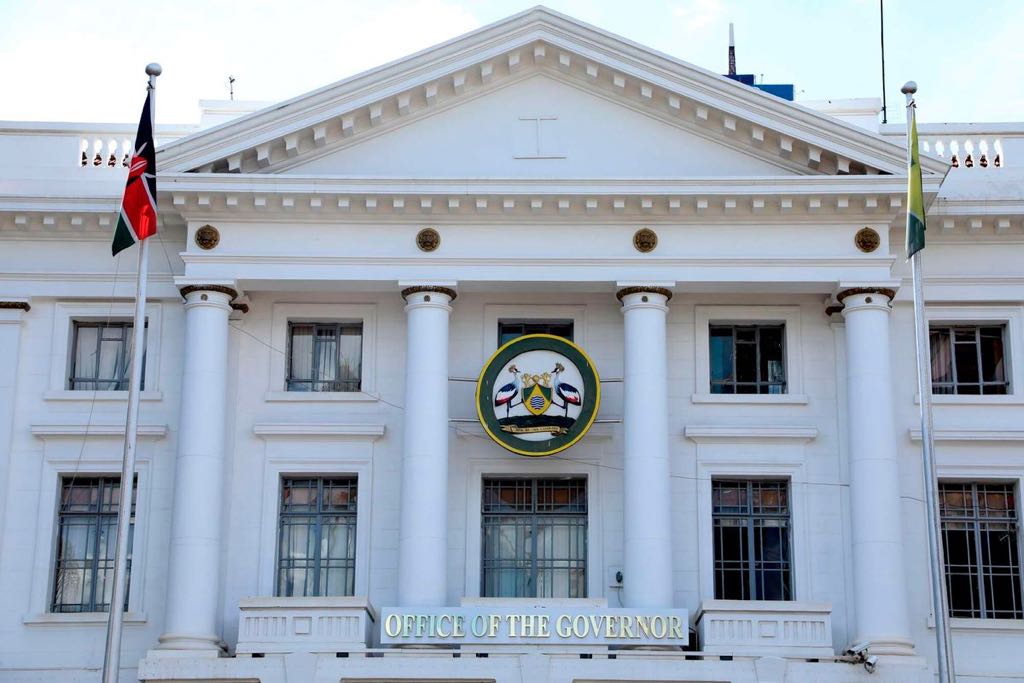
Kenya’s county governments are sitting on more than Sh113 billion in unpaid revenue, exposing persistent weaknesses in debt recovery and raising concerns about the management of locally generated funds.
According to the Controller of Budget’s 2025/26 financial year review, the 47 devolved units had accumulated Sh113.29 billion in outstanding revenue by June 30, 2026. The arrears include unpaid land rates, rent, property charges and other fees owed to county administrations.
Nairobi City County accounts for the largest share of the outstanding amount, with Sh59.09 billion in unpaid revenue. Nakuru follows with Sh16.64 billion, while Mombasa County has recorded Sh13.68 billion in arrears.
Together, the three counties account for the bulk of the money that county governments are yet to recover.
Nairobi faces the biggest revenue collection challenge
Nairobi’s outstanding revenue is largely linked to unpaid land rates, which account for approximately Sh51.34 billion.
The capital is also owed Sh5.64 billion in wayleave fees, while house rent and market stall charges account for another Sh440.6 million. Unpaid outdoor advertising and billboard fees stand at approximately Sh283.7 million.
The figures highlight the challenges facing City Hall as it attempts to collect revenue from property owners, businesses and other entities operating within the capital.
Among the major outstanding payments are wayleave fees reportedly owed by Kenya Power, amounting to about Sh5.6 billion.
The continued accumulation of arrears means the county is unable to access money that could otherwise support infrastructure development and the delivery of essential services.
Nakuru grapples with billions in arrears
Nakuru County is also facing a substantial revenue recovery challenge, with Sh16.64 billion remaining unpaid by the end of the 2025/26 financial year.
Land rates make up the largest portion of the debt, accounting for approximately Sh11.8 billion. House rent arrears stand at Sh782 million.
The county is further owed Sh456.9 million by the Social Health Authority and Sh432.9 million by the defunct National Hospital Insurance Fund.
The outstanding amounts come as the county continues to meet rising expenditure demands, including salaries, healthcare and infrastructure development.
Nakuru reportedly spent approximately Sh8 billion on salaries and allowances, adding to the pressure on its available resources.
The county has outlined measures to improve revenue recovery, including issuing demand notices, pursuing legal action against defaulters and establishing a dedicated debt collection unit.
Rent waiver raises revenue concerns
Nakuru’s decision to waive Sh693 million in rent arrears owed by tenants occupying county houses has also drawn attention to how devolved governments manage outstanding debts.
The waiver covered arrears accumulated by residents in estates including Kivumbini, Bondeni and Flamingo, with some of the debts dating back several years.
Although rent waivers may offer relief to affected households, they also mean the county will not recover the full amount previously recorded as outstanding.
The case illustrates the difficult balance county governments face between supporting residents and protecting their revenue bases.
Mombasa, Kiambu among counties with major debts
Mombasa County has accumulated Sh13.68 billion in unpaid revenue, including Sh11.8 billion in land rates.
The coastal county is also owed Sh1.5 billion by the Social Health Authority and Sh322.8 million by the defunct NHIF.
Kiambu County, meanwhile, reported Sh5.63 billion in outstanding revenue. Unpaid land rates account for approximately Sh4.64 billion, while property rent arrears stand at Sh486.6 million.
Other counties with significant outstanding balances include Kitui, with Sh2.2 billion; Busia and Kakamega, with Sh1.7 billion each; and Laikipia, with Sh1.4 billion.
Kisii County has Sh1.3 billion in arrears, while Nyeri and Bomet have approximately Sh1.2 billion each.
The figures demonstrate that unpaid revenue remains a challenge across counties of different sizes and economic capacities.
Counties urged to strengthen debt recovery
The Controller of Budget’s findings have renewed attention on the need for county administrations to improve revenue collection and ensure that people and organisations meet their financial obligations.
Proposed measures include adopting automated revenue systems, strengthening enforcement, issuing payment demands and taking persistent defaulters to court.
Some counties are also considering restrictions on business permit renewals for individuals and companies with unpaid dues.
The report indicates that counties have the potential to generate at least Sh260 billion annually from their own sources. However, the 47 counties collected Sh96 billion during the 2025/26 financial year.
The difference highlights the revenue potential that remains untapped even as county administrations continue to face competing spending demands.
Recovering the Sh113.29 billion in outstanding revenue would be a significant step towards strengthening county finances. However, success will depend on whether county governments can identify genuine debts, pursue defaulters consistently and improve accountability in the management of public funds.