
SHA IVF Marriage Rule Sparks Debate Among Kenyan Teachers
Thousands of Kenyan teachers are raising concerns after new guidelines under the Social Health Authority (SHA) revealed that access to In-Vitro Fertilisation (IVF) treatment is limited to legally married couples. The requirement, which demands a valid marriage certificate, has left many potential beneficiaries surprised and uncertain about their eligibility.

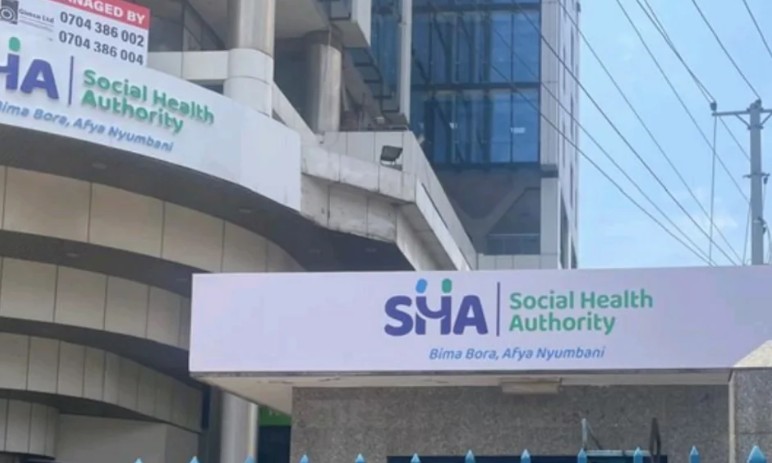
Thousands of Kenyan teachers are raising concerns after new guidelines under the Social Health Authority (SHA) revealed that access to In-Vitro Fertilisation (IVF) treatment is limited to legally married couples. The requirement, which demands a valid marriage certificate, has left many potential beneficiaries surprised and uncertain about their eligibility.
Under the Mwalimu Comprehensive Medical Scheme, IVF services are now covered but strictly regulated. Only registered teachers and their officially recognised spouses are allowed to access the fertility treatment. This means that couples who are not legally married, even if they have been in long-term committed relationships, may be excluded from receiving support.
The policy has triggered debate among educators and stakeholders, with many arguing that infertility is a medical condition that should not be influenced by marital status. Critics say the requirement could disadvantage couples who are cohabiting or those who, for personal or financial reasons, have not formalised their unions through legal marriage.
According to the guidelines, couples seeking IVF treatment must first provide medical proof of infertility. This includes evidence that they have been unable to conceive after at least 12 months of regular unprotected intercourse or a specialist’s recommendation confirming infertility. In addition, the female partner must be 41 years old or younger at the start of treatment to qualify under the scheme.
The programme also limits beneficiaries to a maximum of two IVF attempts in a lifetime. All procedures must be carried out in accredited medical facilities approved under the SHA framework, with prior authorization required before treatment begins. In cases of secondary infertility, couples must not have any living children in order to qualify for support.
The inclusion of IVF under the public health scheme was initially welcomed as a major relief for teachers, many of whom face high costs when seeking fertility treatment in private hospitals. However, the introduction of strict eligibility conditions has now sparked mixed reactions, with some teachers saying the policy is too restrictive and does not reflect the realities of modern relationships.
Teachers’ unions have reportedly sought clarification from health authorities on how the rule will be implemented and whether exceptions may be considered in special circumstances. They argue that access to healthcare should be guided primarily by medical need rather than legal marital status.
On the other hand, some supporters of the policy say the requirement helps define eligibility clearly and ensures accountability in the use of public funds. They argue that structured rules are necessary to manage demand and maintain sustainability within the health insurance scheme.