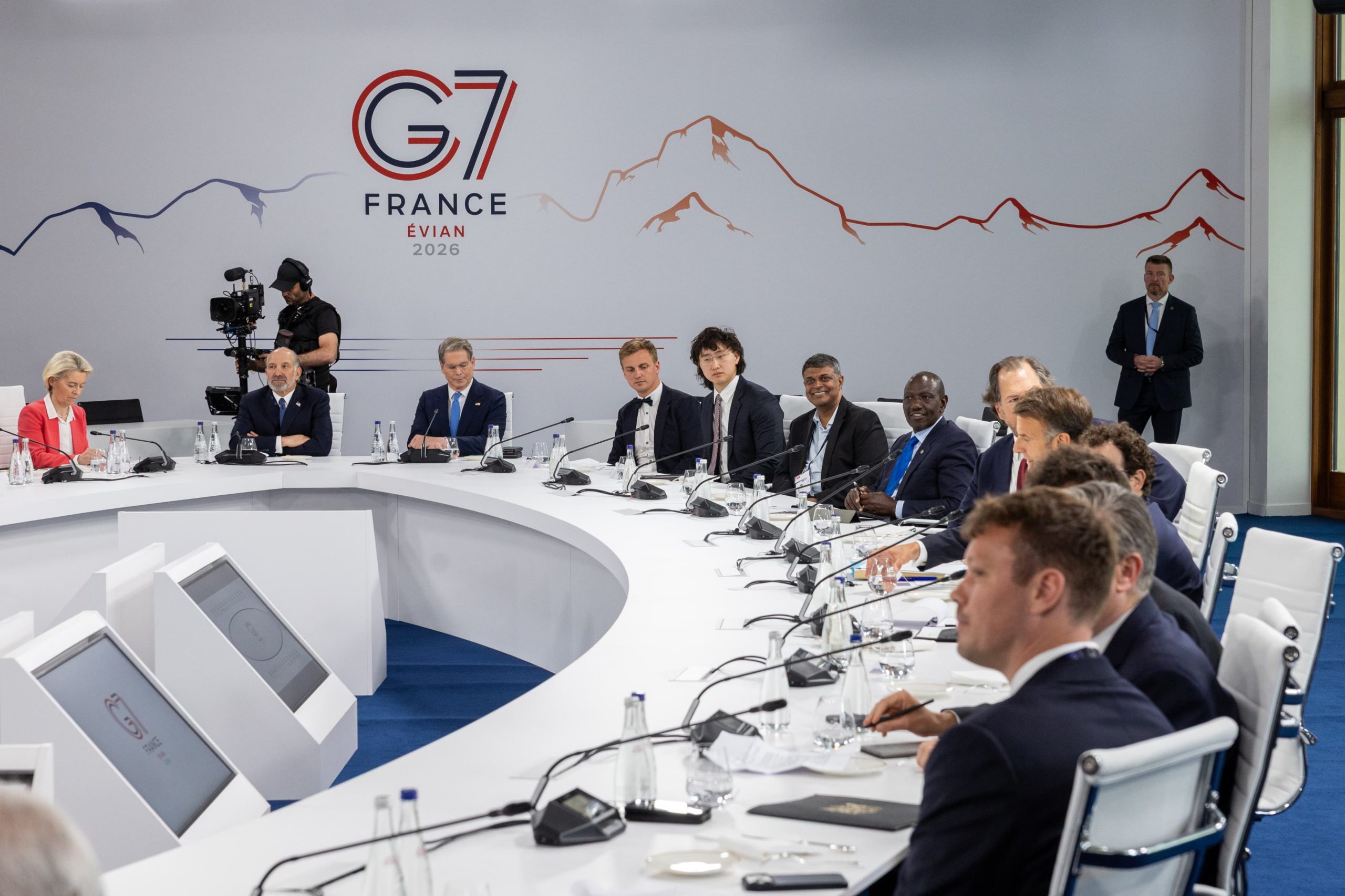
The Kenyan government has reported that both Kenya and the wider African continent achieved notable diplomatic and economic progress during the recently concluded G7 Summit, describing the outcomes as meaningful “concrete wins.”
According to State House, Kenya’s participation in the summit played a key role in ensuring that Africa’s priorities were firmly placed on the agenda of the world’s most industrialized nations.
These priorities included long-standing calls for reforms to the global financial system, increased climate financing, fairer trade arrangements, and improved access to development funding for emerging economies.
Officials said Kenya used the platform to amplify Africa’s collective voice on pressing issues affecting developing countries. A major focus was the restructuring of international financial institutions to make them more responsive, inclusive, and equitable in addressing the economic challenges faced by low- and middle-income nations.
Kenya emphasized that the current global financial architecture places a disproportionate burden on developing economies, especially through high debt servicing costs and limited access to affordable credit.
During the summit, President William Ruto held a series of high-level bilateral meetings with global leaders and partners. These discussions focused on attracting investment opportunities, strengthening climate action commitments, enhancing technological cooperation, and addressing debt sustainability concerns.
The talks also explored ways of building stronger global partnerships that can accelerate industrial growth, boost innovation, and create meaningful employment opportunities for young people across Africa.
State House further emphasized that Africa’s coordinated engagement at the summit played a crucial role in pushing for stronger recognition of the continent’s development needs.
Kenya, in particular, was highlighted as playing an important bridging role between Africa and developed nations, helping to align priorities and foster mutual understanding on key global economic and environmental challenges.
Government officials described the summit as highly productive, noting that it opened new pathways for cooperation in strategic sectors such as green energy, large-scale infrastructure development, and digital transformation.
These areas are seen as critical for Africa’s long-term economic growth and for supporting the transition to more sustainable and resilient economies.
Kenya also underscored its commitment to leveraging international partnerships to accelerate national development goals, including expanding renewable energy capacity, improving connectivity, and strengthening digital economies.
The government believes that collaboration with G7 nations and other global partners will help unlock new investment flows and enhance technology transfer.
However, despite the optimistic assessment from State House, some observers have urged caution, noting that the real measure of success will depend on the implementation of the commitments made during the summit.
They argue that while high-level agreements and diplomatic statements are important, their true value lies in whether they translate into tangible and measurable improvements in the lives of citizens across Africa.