Mbadi Dismisses Opposition’s People’s Budget as Recycled Government Figures
A fresh political and economic debate has emerged following the unveiling of the opposition’s alternative budget proposal, with Treasury Cabinet Secretary John Mbadi dismissing the document as lacking originality and substance. The CS argued that the so-called “People’s Budget” relies heavily on figures and projections already published by the government, questioning its credibility as an independent economic plan.

A fresh political and economic debate has emerged following the unveiling of the opposition’s alternative budget proposal, with Treasury Cabinet Secretary John Mbadi dismissing the document as lacking originality and substance. The CS argued that the so-called “People’s Budget” relies heavily on figures and projections already published by the government, questioning its credibility as an independent economic plan.
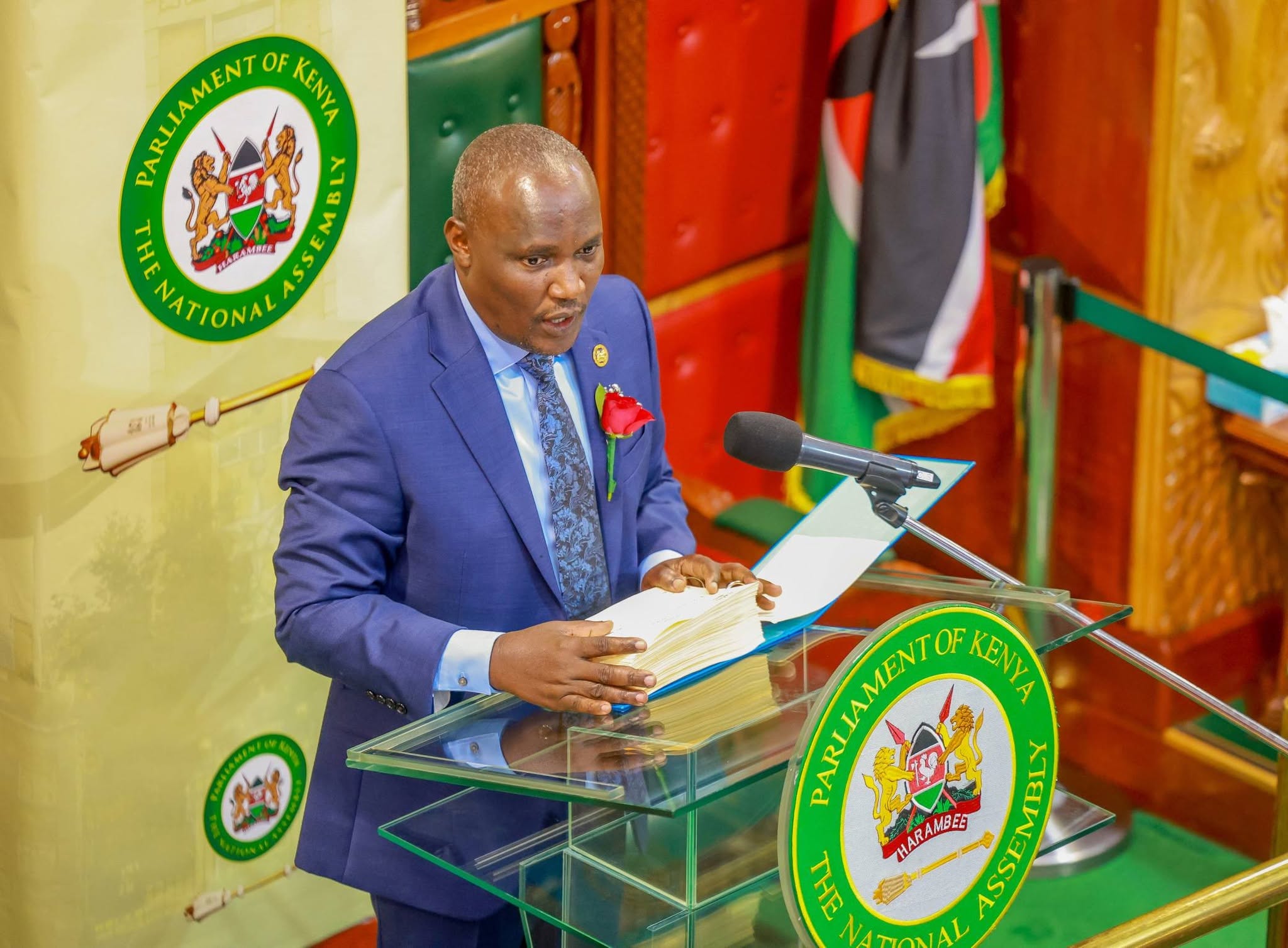
Speaking after the presentation of the 2026/27 national budget, Mbadi said opposition leaders had failed to present a genuinely alternative framework for managing the country’s finances. Instead, he claimed they simply repackaged existing government data and presented it as a new proposal aimed at winning public support.
According to the Treasury boss, preparing a national budget is a highly technical exercise that requires detailed analysis of revenue streams, expenditure priorities, debt obligations, and economic forecasts. He maintained that a serious alternative budget must demonstrate exactly how proposed programmes would be financed and sustained over time.
Mbadi’s criticism came shortly after opposition leaders launched their own economic blueprint, which they say offers solutions to the challenges facing ordinary Kenyans. The coalition has accused the Kenya Kwanza administration of imposing policies that have increased the cost of living and placed greater financial pressure on households and businesses.
The opposition’s proposal focuses on reducing what it describes as unnecessary government spending while increasing investment in critical sectors such as healthcare, education, agriculture, and youth employment. Leaders behind the initiative argue that Kenya’s current economic difficulties can be addressed through better management of public resources rather than introducing additional taxes or levies.
One of the key proposals contained in the alternative budget is the restoration of several social support programmes that have either been reduced or discontinued in recent years. The opposition also wants increased funding for public hospitals and schools, arguing that stronger public services would directly benefit millions of citizens struggling with economic hardship.
In addition, the coalition has proposed a large-scale youth employment programme designed to create opportunities for young people entering the labour market. With unemployment remaining a major concern, opposition leaders insist that targeted investment in job creation would help stimulate economic growth while improving household incomes.
Another major point of contention is the Affordable Housing Levy. Opposition leaders have renewed calls for the levy to be scrapped, arguing that it places an unnecessary burden on workers and employers. They believe resources allocated to housing projects could instead be redirected toward programmes that address more immediate economic concerns.
The opposition has also proposed reducing allocations to certain government offices and agencies, claiming that savings generated from such cuts could be invested in food production, irrigation projects, and agricultural support programmes. They argue that strengthening agriculture would lower food prices and enhance national food security.
Despite these proposals, Mbadi insists that criticism alone is not enough. He challenged the opposition to provide clear and realistic financing mechanisms for every initiative they are proposing. The CS emphasized that government budgeting involves balancing competing national priorities while ensuring fiscal discipline and economic stability.