
Jubilee Party Moves to Court Over Alleged Underfunding of Political Parties Fund
The Jubilee Party has filed a petition at the High Court challenging what it describes as continued underfunding of the Political Parties Fund, accusing the government of failing to comply with legal requirements governing the allocation of resources to registered political parties in Kenya.

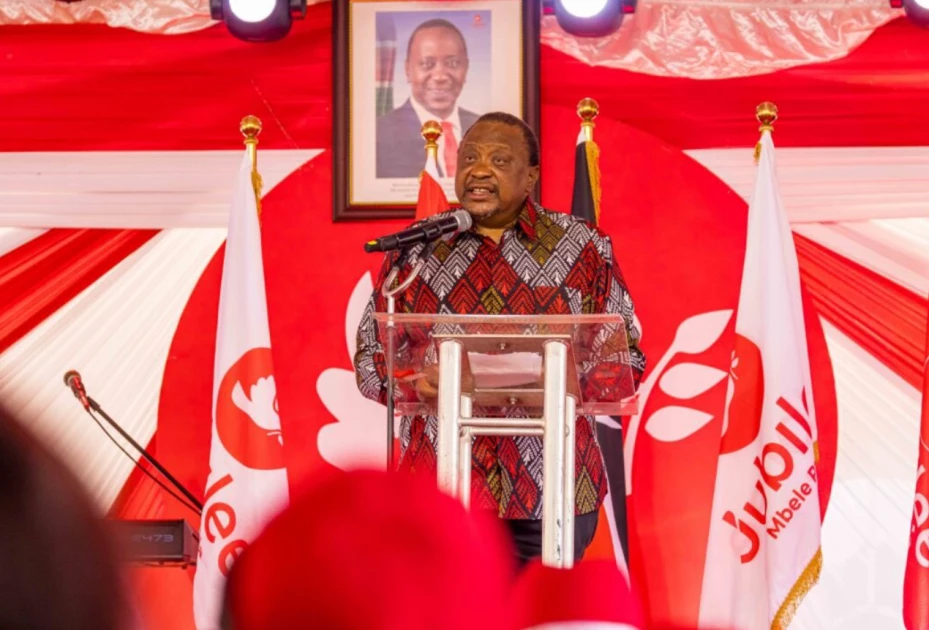
The Jubilee Party has filed a petition at the High Court challenging what it describes as continued underfunding of the Political Parties Fund, accusing the government of failing to comply with legal requirements governing the allocation of resources to registered political parties in Kenya.
In its court filings, Jubilee argues that the current budgetary allocation to the fund falls below the statutory threshold set out under the Political Parties Act. The party contends that this shortfall is not only unlawful but also undermines the principles of fair political competition and weakens the democratic space in the country.
According to the party, political parties play a central role in Kenya’s governance system, including mobilizing citizens, promoting civic education, developing policy alternatives, and participating in elections. Jubilee now claims that inadequate funding has severely limited its ability, and that of other parties, to effectively carry out these constitutional and legal responsibilities.
The party further argues that the government has a duty to ensure that the Political Parties Fund is sufficiently resourced to support multiparty democracy. It maintains that failure to do so has created an uneven political environment where well-resourced parties enjoy a significant advantage over smaller or less financially stable ones.
In the petition, Jubilee is seeking orders compelling the national government and relevant state agencies to increase the allocation to the fund in line with the law. The party also wants the court to declare that the current funding levels are unconstitutional and in breach of statutory provisions governing political financing.
Jubilee has also raised concerns that the persistent underfunding may weaken democratic institutions in the long term. It argues that when political parties are financially constrained, they become less effective in engaging citizens, conducting research, and offering policy alternatives, which ultimately reduces accountability in governance.
The case is expected to add to ongoing national debate over public expenditure priorities, especially at a time when the government is under pressure to balance competing demands from various sectors including health, education, infrastructure, and governance institutions.
Political analysts note that the outcome of the case could set a significant precedent on how political parties are funded in Kenya. If the court rules in favour of Jubilee, it could compel the government to revise budget allocations to the Political Parties Fund, potentially increasing financial support for all registered political parties.
On the other hand, if the petition is dismissed, it may reaffirm the government’s discretion in determining budgetary allocations, even within frameworks established by law.
The High Court is expected to schedule the matter for hearing in the coming weeks, as parties prepare to present arguments on the interpretation of the Political Parties Act and the constitutional principles governing political financing in Kenya.