Uganda Votes Amid Internet Blackout and Heavy Police Crackdown
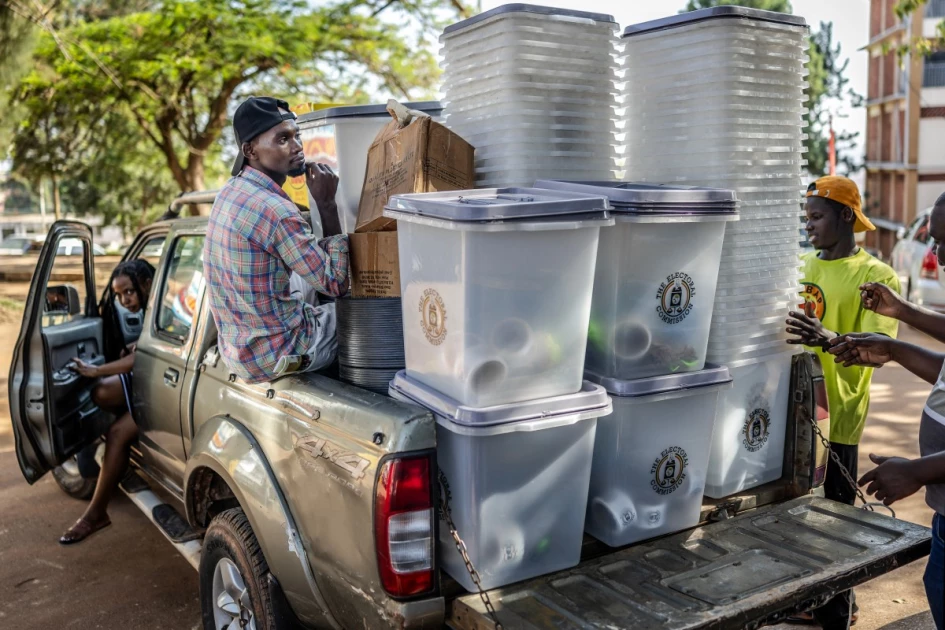
Polling opened with delays in several areas, a common occurrence in the country, but voting was underway shortly after 7am in parts of Kampala, according to AFP journalists on the ground

By : Mweru Mbugua
Ugandans went to the polls on Thursday under an internet shutdown and heightened security, as President Yoweri Museveni sought to extend his four-decade rule amid mounting opposition pressure
Polling opened with delays in several areas, a common occurrence in the country, but voting was underway shortly after 7am in parts of Kampala, according to AFP journalists on the ground
Security forces were heavily deployed across the capital and in key towns, including Jinja, with police and army patrols visible throughout the day
Tensions were high as the government imposed an indefinite internet shutdown earlier in the week, citing the need to curb “misinformation” and “incitement to violence”
The United Nations described the move as “deeply worrying,” warning it could undermine transparency and public trust in the electoral process
Local media reflected public anxiety, with the Daily Monitor publishing a full-page guide advising citizens on how to secure their homes in the event of post-election unrest
Museveni, 81, who has ruled Uganda for nearly 40 years, faces his strongest challenge from pop star-turned-politician Bobi Wine, 43

Wine, who commands strong support among young and urban voters, has accused the government of planning to rig the election and violently suppress dissent
“We are very aware that they are planning to rig the election, to brutalise people, to kill people, and they don’t want the rest of the world to see,” Wine told AFP
In the lead-up to the vote, hundreds of his supporters were arrested, prompting him to appear at rallies wearing a flak jacket and describing the election as a “war”
The crackdown has drawn sharp criticism from rights groups. Human Rights Watch condemned the suspension of 10 non-governmental organisations, including election-monitoring bodies, while Reporters Without Borders reported that a local journalist was electrocuted and pepper-sprayed by security officers while covering an opposition rally
Another veteran opposition figure, Kizza Besigye, remains entangled in a treason case after being abducted in Kenya in 2024 and returned to Uganda to face a military court
His wife, UNAIDS executive director Winnie Byanyima, said the country has only a “thin veneer” of democracy, accusing the president of a “total capture of state institutions”
Also read : Man Fined After Admitting to Smoking Bhang to Chase Birds in Mwea Rice Farms
Despite international criticism, Museveni retains support among sections of the population who credit him with ending post-independence turmoil and delivering economic growth, albeit marred by persistent corruption scandals
“Forty years doesn’t even matter, we need even more,” said one supporter, Banura Oliver, as she headed to Museveni’s final campaign rally in Kampala
Addressing supporters, the president struck a defiant tone, urging citizens to vote and warning against interference. “Anybody who wants to interfere with your freedom, I will crush them,” he said
As voting continued, many residents in Kampala remained wary of discussing the election openly, reflecting widespread fear amid the heavy security presence
Authorities warned that the polls were “not a justification for criminal acts” and deployed newly recruited special constables to maintain order
With the internet cut and opposition leaders warning of fraud, uncertainty hangs over the outcome and the aftermath of Uganda’s 2026 general election