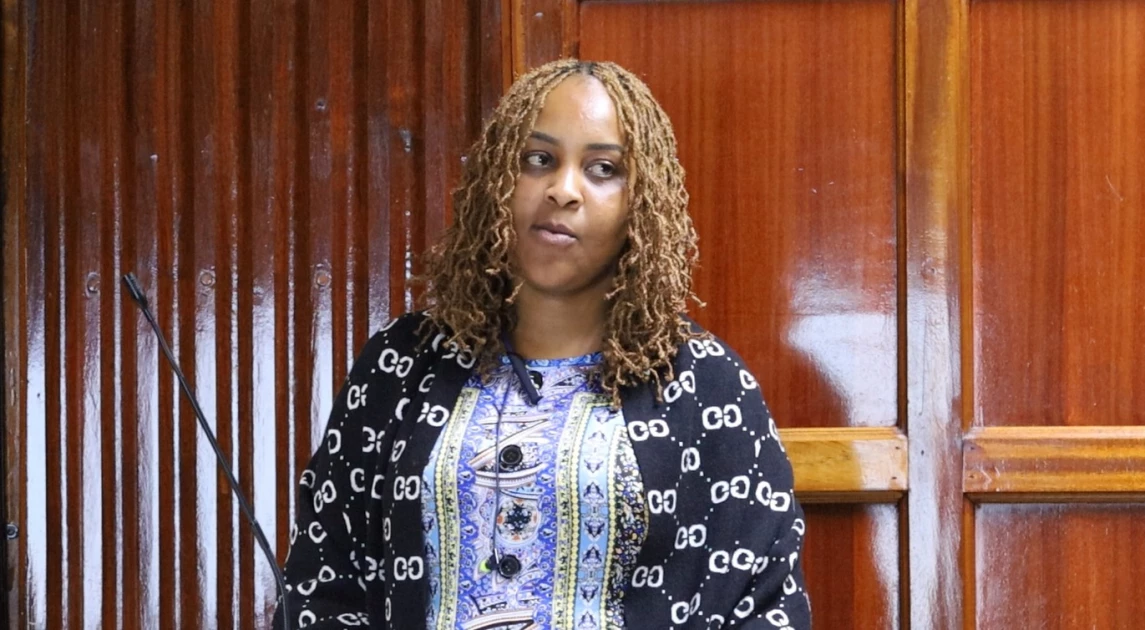
A Nairobi scrap metal trader accused of handling restricted energy infrastructure has insisted that all the materials recovered from her warehouse were lawfully acquired and properly documented
Sheila Mwaikwasi, charged under Section 169(1)(c) of the Energy Act No. 1 of 2019, told the court that the equipment seized during her January 2024 arrest had been inspected and verified long before police moved in
She said she had already furnished investigators with delivery notes and sales agreements showing that the consignments some sourced from licensed suppliers in Arusha in 2023 were legitimate purchases
Mwaikwasi testified that her business operates on bulk purchases, with goods released only after full payment. She also noted that she holds a valid association licence for the 2025/2026 period

While acknowledging that some of the seized items resembled components used by Kenya Power and other energy agencies, she maintained they were part of a legitimate bid and pointed out that scrap metal rarely carries identifiable labels
Ownership, she argued, is established through paperwork, which she said no one had contested.
Her Ugandan supplier, Kata Derrick, corroborated her testimony. Derrick, who described himself as a licensed scrap dealer in Uganda, Sudan and the Democratic Republic of Congo, said he had supplied Mwaikwasi for five years and only released goods after payment
He added that all cargo headed to Kenya must be declared at the border and approved by KEBS and KRA, noting that Mwaikwasi consistently met all requirements
Also read : Bomet Woman Arrested After Fatal Stabbing of Husband in Nightclub Incident
Prosecutors allege that on January 30, 2024, Mwaikwasi was found in possession of 1,292 kilograms of high-voltage earthing copper and components used in 132KV, 220KV and 400KV installations, valued at Ksh.1.67 million and said to belong to the Kenya Electricity Transmission Company (KETRACO)
She also faces additional charges involving 330 kilograms of copper windings worth Ksh.429,000 allegedly belonging to KPLC; 134 kilograms of earthing wires valued at Ksh.147,400 reportedly owned by KeNHA; and 139 kilograms of copper bus bars and cables worth Ksh.500,000 said to belong to American Towers Corporation
Investigators claim Mwaikwasi knew, or should have known, that the materials were stolen or unlawfully obtained. The case continues
Writer : Mweru Mbugua