
Ruto’s PAYE Tax Relief Promise Delayed Again as Kenyans Await Implementation
President William Ruto’s promise to reduce the tax burden on low-income earners remains unfulfilled months after it was first announced, with the government now giving a fresh timeline for implementing the proposed Pay As You Earn (PAYE) tax relief.

President William Ruto’s promise to reduce the tax burden on low-income earners remains unfulfilled months after it was first announced, with the government now giving a fresh timeline for implementing the proposed Pay As You Earn (PAYE) tax relief.
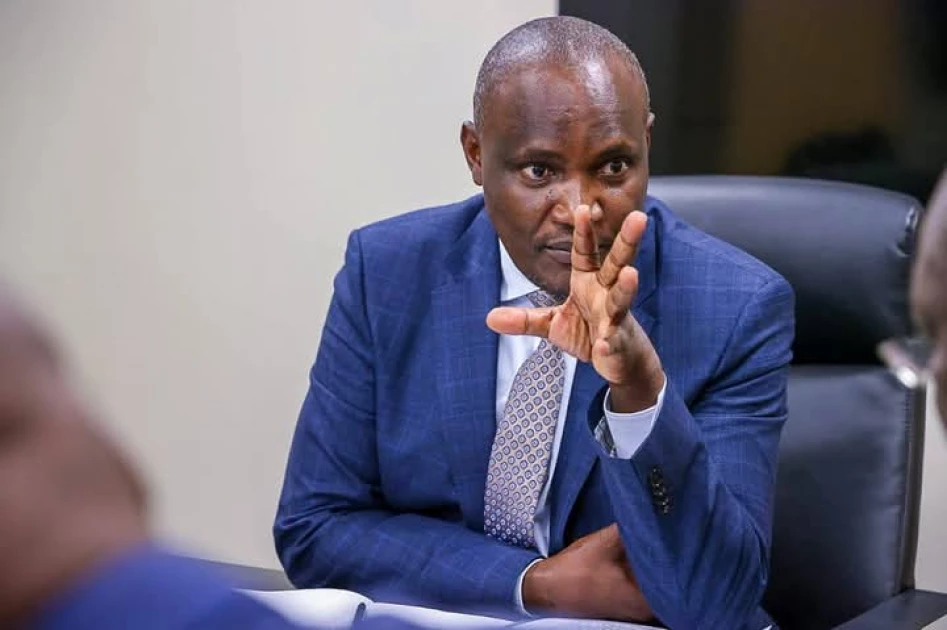
National Treasury Cabinet Secretary John Mbadi says the government is finalising a Bill that would exempt Kenyans earning up to Ksh32,333 per month from income tax. He expects the legislation to be ready for consideration by Parliament before the end of November 2026.
The latest assurance follows renewed public attention after Ruto repeated the pledge during the Mashujaa Day celebrations on October 20, directing the Treasury to present the proposals to Parliament.
Promise First Made in February
The proposed tax relief dates back to February 2026, when Ruto and Mbadi announced plans to exempt workers earning below Ksh30,000 monthly from PAYE.
At the time, Mbadi indicated that the government would introduce tax amendments when Parliament resumed, without waiting for the annual Finance Bill.
However, the proposed changes were not included in the 2026/2027 budget measures, leaving workers waiting for the promised relief.
In June, Mbadi maintained that the plan remained on the table, explaining that the government was conducting further analysis before determining how to implement the changes.
Treasury Cites Further Consultations
The government has since revised the proposed tax-free income threshold from Ksh30,000 to Ksh32,333 per month.
Mbadi said the revised figure followed discussions with stakeholders, including the Kenya Bankers Association, as the Treasury worked on the proposed legislation.
However, the proposal must still go through the necessary legislative process before it can take effect.
Questions Over the Delay
The repeated assurances have raised questions about why the government has taken several months to implement a promise first made at the beginning of the year.
Ruto previously acknowledged that Treasury officials had raised concerns about the cost of the tax cuts, estimating that the measure could reduce government revenue by approximately Ksh40 billion.
The President nevertheless maintained that the relief should proceed, arguing that low-income earners needed more money to meet their household expenses.
The government now says the proposal is nearing completion, but workers will have to wait for Parliament to consider the Bill and for the changes to become law before benefiting.
For now, the proposed PAYE exemption remains a government pledge rather than an implemented tax measure.