Mogadishu Rebuilds as Construction Surge Transforms War-Scarred Capital
The transformation is most visible along major streets such as Makkah Almukarramah Avenue, where multi-storey buildings with large glass windows are going up

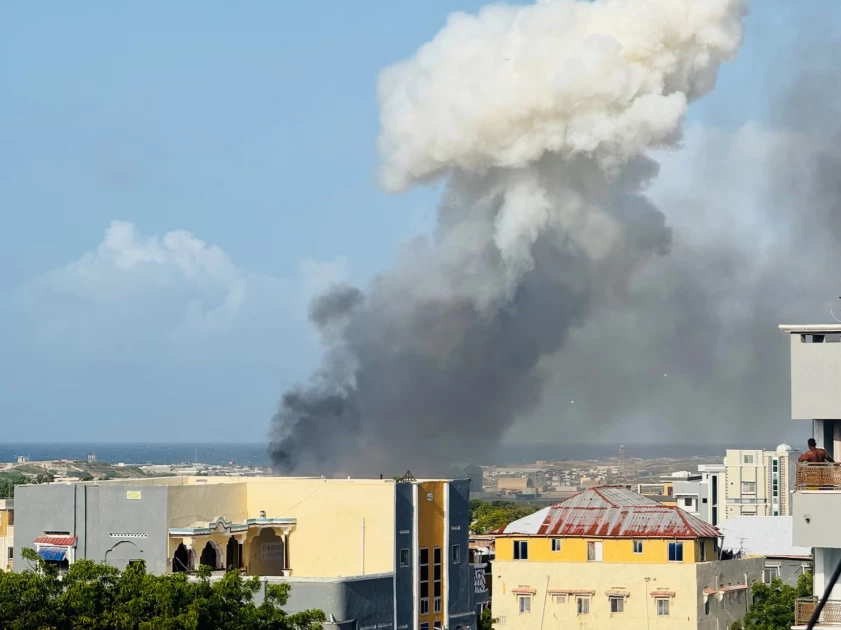
Mogadishu is experiencing an unprecedented construction boom, rising steadily from the devastation of decades-long conflict
While bullet-scarred pavements and ruined buildings still mark the city’s turbulent past, the Somali capital now reverberates with the noise of cranes, concrete mixers and the rush of new development
For the three million residents of Mogadishu relatively insulated from the insurgency still active just a short distance outside the city the building surge represents a rare period of optimism
The transformation is most visible along major streets such as Makkah Almukarramah Avenue, where multi-storey buildings with large glass windows are going up
Resident Habib Farah says the glass is symbolic: “For the first time in decades, they are not afraid of shattering”
Although Somalia continues to face serious security threats, government officials insist the capital is safer than it has been in years
A network of revamped checkpoints has been credited with reducing insurgent attacks in Mogadishu by 86 percent from 2023 to mid-2025
At Jazeera checkpoint, one of the city’s busiest, security officers meticulously search every car, tuk-tuk and truck entering the capital
Vehicles absent from the city for more than 20 days are turned away the estimated time militants need to rig hidden explosives
Also read : Mbadi Says Ruto Administration Stabilised Economy After Inheriting Cash-Strapped Treasury
Despite the improvements, incidents still occur. In October, Al-Shabaab fighters used cars disguised as security vehicles to launch a daring attack on a jail, freeing an unknown number of inmates
Even so, residents say enforcement has become far more professional, with fewer bribe demands and violent confrontations at checkpoints
While Western donor fatigue threatens traditional security funding, the Somali diaspora continues to inject crucial capital into the country
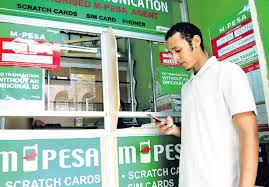
Remittances worth nearly 15 percent of Somalia’s GDP in 2023 almost doubled the following year, according to the national statistics bureau
This influx has helped expand real estate, fintech, trade and infrastructure investments
Also read : Muturi Accuses Government of Plot to Disrupt Mbeere North By-Election
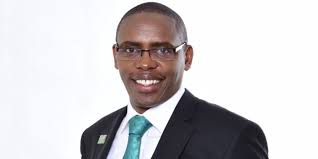
“The diaspora brings capital and know-how, while local businesses are scaling with bank financing,” said Premier Bank CEO Mohamed Gheedi
The rapid development, however, has also fueled concerns about gentrification and displacement.
Analysts warn that while wealthy officials, businesspeople and foreigners enjoy improved security and rising living standards, poorer families are increasingly being pushed out of central neighbourhoods.
In August, tensions over forced evictions escalated into violence in southern Mogadishu, leaving several people dead
“People are being moved away from schools, hospitals and basic government services,” noted Mahad Wasuge of Somali Public Agenda
“The government is trying to project that Mogadishu is rising but who is paying the price?”
As construction cranes dominate the skyline and new businesses emerge, Mogadishu stands at a crossroads: a city rebuilding at remarkable speed, yet grappling with the deep inequalities that threaten to overshadow its fragile progress