
Major Blow to Government as Court Blocks Revival of Sh12 Billion Riruta–Ngong Rail Project
Government has suffered a major setback after the High Court declined to revive the stalled Sh12 billion Riruta–Ngong commuter rail project, dealing a fresh blow to one of the transport initiatives expected to ease congestion in Nairobi and its outskirts.

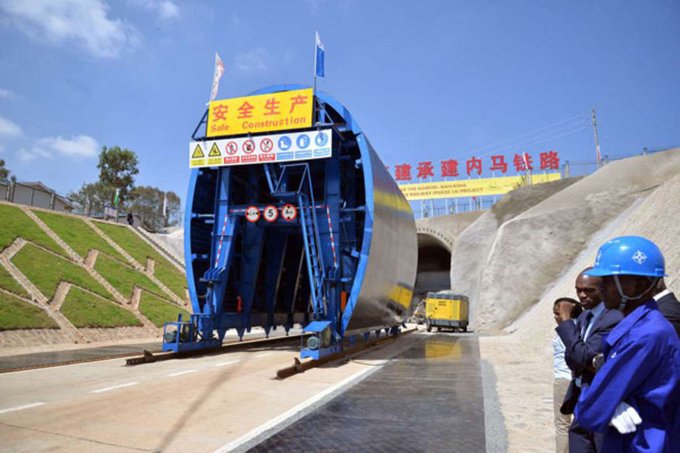
Government has suffered a major setback after the High Court declined to revive the stalled Sh12 billion Riruta–Ngong commuter rail project, dealing a fresh blow to one of the transport initiatives expected to ease congestion in Nairobi and its outskirts.
The ruling means conservatory orders previously issued to suspend the project will remain in force, leaving the ambitious railway plan in limbo as legal proceedings continue.
The Riruta–Ngong commuter rail line had been presented as a transformative infrastructure project aimed at improving public transport and reducing traffic congestion along one of the busiest corridors linking Nairobi to neighboring Kajiado County. Authorities had projected that the railway would offer thousands of commuters a cheaper, faster and more efficient alternative to road transport.
The project was expected to pass through areas including Riruta, Lenana and Ngong, regions that experience heavy traffic snarl-ups, especially during peak hours. Transport planners argued that once completed, the railway would significantly reduce travel time for workers and residents who endure long hours on congested roads daily.
However, despite the promises surrounding the project, it soon became the subject of legal scrutiny after concerns were raised over its procurement process, financing arrangements and overall implementation.
Petitioners who moved to court questioned whether proper procedures had been followed before the multi-billion-shilling undertaking was approved. They also raised concerns about transparency and accountability in the awarding and management of the contract, prompting the court to intervene.
Following the petition, the High Court issued conservatory orders halting the implementation of the project until the issues raised could be heard and determined.
In an attempt to restart the railway project, the government moved back to court seeking to have the suspension orders lifted. State lawyers argued that continued delays were affecting a key public infrastructure plan designed to improve mobility and economic activities in the Nairobi metropolitan region.
The government maintained that the project carried immense public interest, noting that commuters had continued to suffer due to severe traffic congestion on roads connecting Nairobi and Ngong. Officials also argued that delaying implementation could result in increased project costs and setbacks to transport reforms.
However, the court declined the government’s application, ruling that the conservatory orders should remain in place until the substantive issues raised in the petition are fully heard and determined.
The decision is likely to slow down government efforts to improve commuter transport systems in rapidly growing urban centres. The Riruta–Ngong railway had been viewed as a major intervention to decongest roads and reduce overreliance on matatus and private vehicles.
The setback also raises questions about the future of several large-scale infrastructure projects facing legal and governance challenges. Experts say while such projects are essential for urban development, transparency and proper legal procedures must be followed to avoid delays, costly court battles and loss of public confidence.
Residents and regular commuters along the Ngong route had expressed optimism when the railway project was first announced, hoping it would ease daily transport frustrations. Many spend hours stuck in traffic, particularly during mornings and evenings, affecting productivity and increasing transport costs.
With the latest ruling, uncertainty now surrounds the future of the Sh12 billion commuter rail plan. The government will now have to wait for the full hearing of the case before any decision is made on whether the project can proceed.