Linda Mwananchi Movement Gains Ground as Kenya’s 2027 Political Battle Takes Shape
A new political formation, the Linda Mwananchi movement, is steadily emerging as a significant force in Kenya’s opposition politics ahead of the 2027 General Election. Its rise comes at a time when the country’s political landscape is increasingly defined by shifting alliances and growing public scrutiny of leadership.

A new political formation, the Linda Mwananchi movement, is steadily emerging as a significant force in Kenya’s opposition politics ahead of the 2027 General Election. Its rise comes at a time when the country’s political landscape is increasingly defined by shifting alliances and growing public scrutiny of leadership.
A key factor shaping this moment is the influence of young voters. Gen Z is expected to form a decisive voting bloc, with many expressing dissatisfaction over economic challenges, governance concerns, and unmet expectations under the administration of William Ruto.
The movement appears to be gaining traction by aligning itself with the concerns of younger Kenyans. Issues such as unemployment, cost of living, and accountability have dominated its messaging, resonating with a demographic that feels increasingly sidelined.
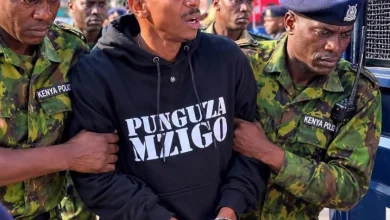
Critics of the government continue to point to unresolved grievances, including concerns over security and responsiveness to public protests. These sentiments have created fertile ground for alternative political voices to emerge and organise.
Linda Mwananchi is closely associated with a group of opposition leaders, including Edwin Sifuna, James Orengo, and Godfrey Osotsi. Through coordinated rallies and public engagements, they have been building the movement’s profile across different regions.
Their approach has largely centred on issue-based politics rather than direct confrontation, allowing them to maintain focus on policy concerns while expanding their appeal.
A defining feature of the movement is its grassroots mobilisation strategy. Linda Mwananchi has been mapping regions and tailoring its message to local concerns.
In coastal areas such as Mombasa, leaders have focused on land injustices—an issue that has long shaped political discourse in the region. Elsewhere, economic inclusion and governance reforms have taken centre stage.
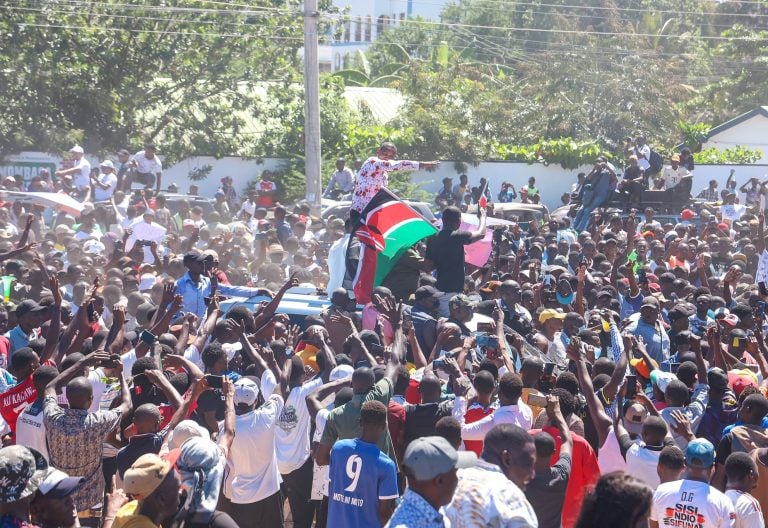
Public rallies in areas like Kitengela, Kakamega, Narok, and Mombasa have drawn notable crowds, signalling growing interest in the movement’s agenda.
The rise of Linda Mwananchi has also sparked debate within the Orange Democratic Movement (ODM). While some members favour cooperation with the government, others within the movement have taken a firmer stance, positioning themselves as an alternative voice.
James Orengo has been vocal in urging early preparations for the 2027 elections, emphasising voter registration and vigilance in safeguarding the electoral process.
Allies of President Ruto have cautioned against what they describe as internal divisions within opposition ranks. Leaders such as Junet Mohamed have called for unity within ODM, warning against infiltration and efforts to destabilise the party.
Despite this pushback, the Linda Mwananchi movement continues to gain visibility, particularly among voters seeking alternative leadership.
As Kenya edges closer to the 2027 elections, the contest between the ruling administration and emerging opposition formations is becoming more pronounced.
Linda Mwananchi’s ability to connect with grassroots concerns, maintain message discipline, and tap into youth sentiment has positioned it as a notable player in the evolving political landscape. Whether it can convert this growing support into electoral success remains uncertain, but its influence is already being felt across the country.