
How Nairobi’s Rapid Expansion Is Transforming Rural Land and Family Wealth
Nairobi’s rapid expansion is steadily changing communities on the outskirts of the capital, with urban development increasingly taking over land that was once used for farming and other rural activities.

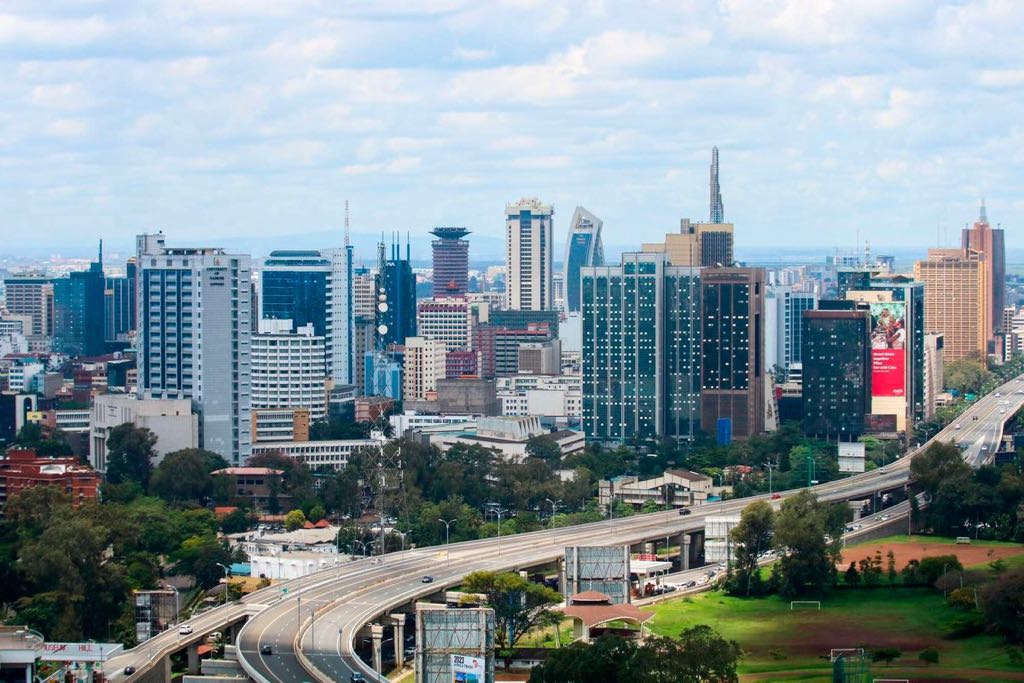
Nairobi’s rapid expansion is steadily changing communities on the outskirts of the capital, with urban development increasingly taking over land that was once used for farming and other rural activities.
As the city grows, demand for residential and commercial property has pushed land prices higher in areas surrounding Nairobi. This has encouraged some landowners to subdivide and sell portions of their property to developers and new buyers.
For many families, the rising value of land presents an opportunity to raise money for pressing needs such as education, healthcare, business ventures and household expenses.
However, the growing land market is also creating difficult choices for families that have depended on ancestral property for generations.
The transformation is particularly evident in areas neighbouring Nairobi, where new housing estates, businesses and infrastructure are rapidly replacing traditional rural landscapes.
Improved roads and transport links have further accelerated development by making previously rural areas more accessible to Nairobi residents seeking affordable housing and investment opportunities.
For some landowners, the urban expansion has brought significant financial benefits. Property that once had limited commercial value can now command substantial prices because of its proximity to the capital and major transport corridors.
But the financial gains can come with long-term consequences. Families that sell land to meet short-term needs may lose an asset that could have provided economic security for future generations.
The changing pattern of land ownership has also raised questions about the future of agriculture around Nairobi. As more farmland is converted into residential and commercial developments, agricultural space continues to shrink.
The rapid growth is therefore creating a difficult balance between urbanisation and the preservation of rural livelihoods.
Urban planners and communities face the challenge of managing Nairobi’s expansion while protecting agricultural land, supporting orderly development and ensuring that families are able to make informed decisions about their property.
For residents on the city’s fringes, the transformation represents both opportunity and uncertainty. While rising land values can create newfound wealth, the disappearance of ancestral land could permanently change the economic and social structure of affected families.