HELB Sounds Alarm Over Massive Cash Crunch as Student Numbers Rise
Kenya's higher education financing system is under renewed pressure after the Higher Education Loans Board (HELB) revealed that limited funding could leave hundreds of thousands of university and TVET students without adequate financial assistance in the 2026/27 academic year.

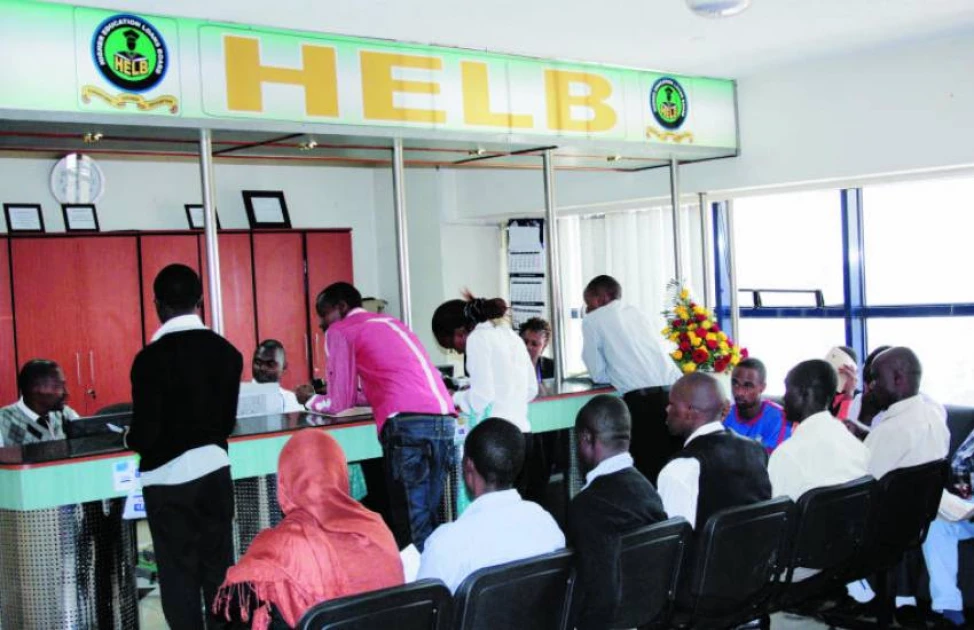
Kenya’s higher education financing system is under renewed pressure after the Higher Education Loans Board (HELB) revealed that limited funding could leave hundreds of thousands of university and TVET students without adequate financial assistance in the 2026/27 academic year.
Documents submitted to Parliament indicate that more than 1.19 million students are expected to seek loans and scholarships through HELB. However, the agency says the money allocated in the current budget is insufficient to meet the growing demand as enrolment in institutions of higher learning continues to increase.
HELB estimates it requires Sh112.1 billion to fully support eligible students but has been allocated just Sh56.3 billion, creating a funding gap of approximately Sh56 billion. At the same time, the Universities Fund is also grappling with a significant shortfall after receiving Sh31.1 billion against a required Sh47.36 billion.
The financial constraints are expected to affect the disbursement of loans and scholarships, with some students likely to receive less funding than required while others may miss out entirely. Education stakeholders warn that the situation could make it difficult for many learners from low-income families to pay tuition and remain in school.
The shortage also places additional pressure on universities and TVET institutions, many of which rely on timely government funding to sustain teaching, learning, and other essential services. Delays or reductions in student financing could strain institutional budgets and disrupt academic programmes.
The funding challenge comes as the government continues to implement the student-centred funding model, which allocates financial support according to a student’s level of need. While the model was introduced to make higher education more equitable, its effectiveness has been hampered by inadequate funding.
The government has maintained that it is reviewing the higher education financing framework to address concerns raised by students, parents, universities, and other stakeholders. Officials say the review is intended to ensure that deserving learners continue accessing higher education without financial barriers, even as the demand for funding continues to rise.