
Dispute Over June 25 Memory Highlights Kenya’s Divided Political Narrative
June 25 has increasingly become a deeply symbolic and disputed date in Kenya’s recent political history. What began as demonstrations linked to opposition against the 2024 Finance Bill has now evolved into a broader contest over how the events of that day should be remembered and interpreted.

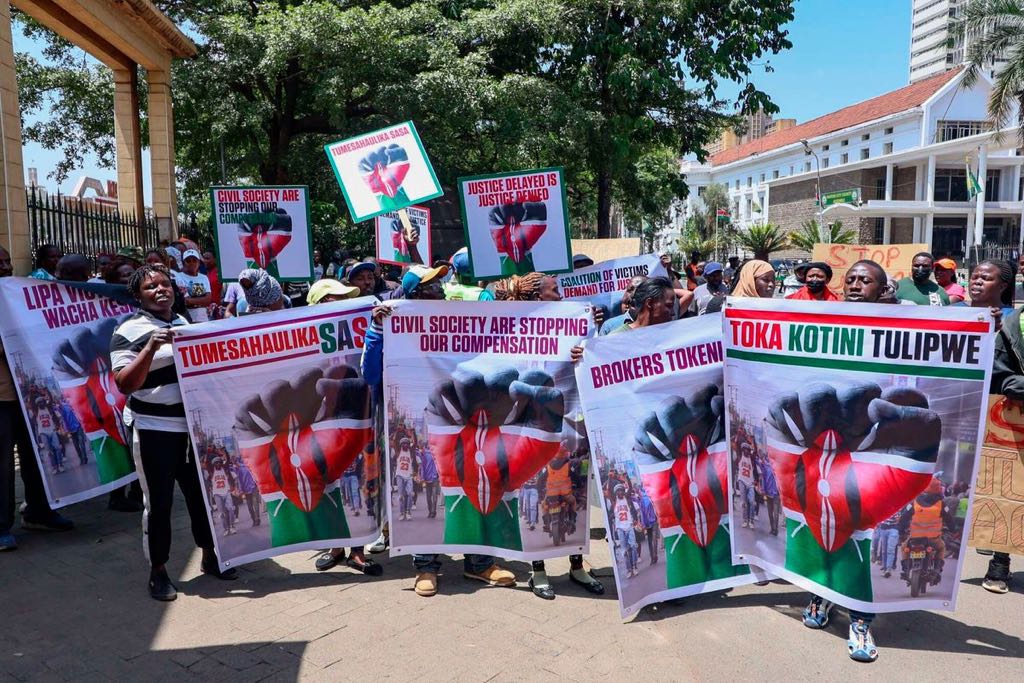
June 25 has increasingly become a deeply symbolic and disputed date in Kenya’s recent political history. What began as demonstrations linked to opposition against the 2024 Finance Bill has now evolved into a broader contest over how the events of that day should be remembered and interpreted.
For a section of the public, particularly many young people who participated in or witnessed the protests, June 25 represents a moment of awakening. They view it as a time when citizens boldly expressed dissatisfaction with government policies and demanded greater accountability. In this telling, the demonstrations are associated with courage, civic engagement, and the high cost some individuals paid during the unrest, including injuries and loss of life.
This perspective has contributed to growing calls to recognize the day as a significant marker in Kenya’s democratic journey, reflecting the frustrations and aspirations of a younger generation increasingly active in political affairs.
On the other hand, state-aligned voices and some political leaders present a different interpretation. They emphasize the disruption that accompanied the protests, pointing to incidents of violence, property damage, and threats to public order. From this standpoint, June 25 is often framed as a cautionary example of how demonstrations can spiral into chaos when law and order break down.
The existence of these contrasting narratives has turned the date into what analysts describe as a struggle over collective memory. Instead of a single shared understanding, Kenya is witnessing competing versions of the same event, each shaped by political alignment and lived experience.
At the center of this debate lies a critical question about historical ownership: who has the power to define national memory? Is it formal institutions and government narratives, or is it ordinary citizens who experienced the events firsthand and are increasingly shaping discourse through online platforms and public engagement?
The implications of this disagreement extend beyond historical interpretation. How June 25 is ultimately framed may influence future responses to protests, shape public trust in institutions, and affect how civic activism is perceived in years to come.
Some commentators caution that the absence of a unified narrative risks deepening societal divisions, as opposing groups continue to hold sharply different interpretations of the same national event. Others, however, argue that such contestation is a natural feature of democratic societies, where history is constantly debated and redefined.