Nakuru MCA Faces Backlash for Introducing Himself as ‘Son of Single Mother’ at Political Event
The Naivasha East representative made the remarks while addressing the Democracy for the Citizens Party (DCP) celebration to unveil newly elected MCAs


By : Mweru Mbugua
Nakuru MCA Stanley Karanja has sparked fresh controversy after introducing himself as “the son of a single mother” during a high-profile political event, reigniting debates over leadership qualifications in Mt Kenya
The Naivasha East representative made the remarks while addressing the Democracy for the Citizens Party (DCP) celebration to unveil newly elected MCAs
What was intended as a routine introduction quickly became the focal point of criticism online, with many arguing that personal identity narratives have been overused and, in some cases, politicized in the region
“Party leader, and all the leaders present here, greetings. For those who don’t know me, my name is Karanja Wambui Wa Mariam, the son of a single mother
Now, how can someone who is more than 80 years old tell people who have studied that he will carry on? He cannot see the future, yet he wants to tell us about the future,” Karanja said, in what many interpreted as a pointed remark against ODM leader Oburu Oginga, 82
The comments have sparked reactions from leaders and citizens alike. Some criticized Karanja for prioritizing personal hardships over political competence
Apollo Muga noted, “Once you hear a grown man introducing himself as ‘mtoto wa single mother,’ just know where his problem lies”
Also read : Newly Elected Mbeere North MP Faces Backlash After Phone Call in Parliament
Similarly, Favoured Millicent argued, “These rhetorics are dividing us further. Is this the best?”
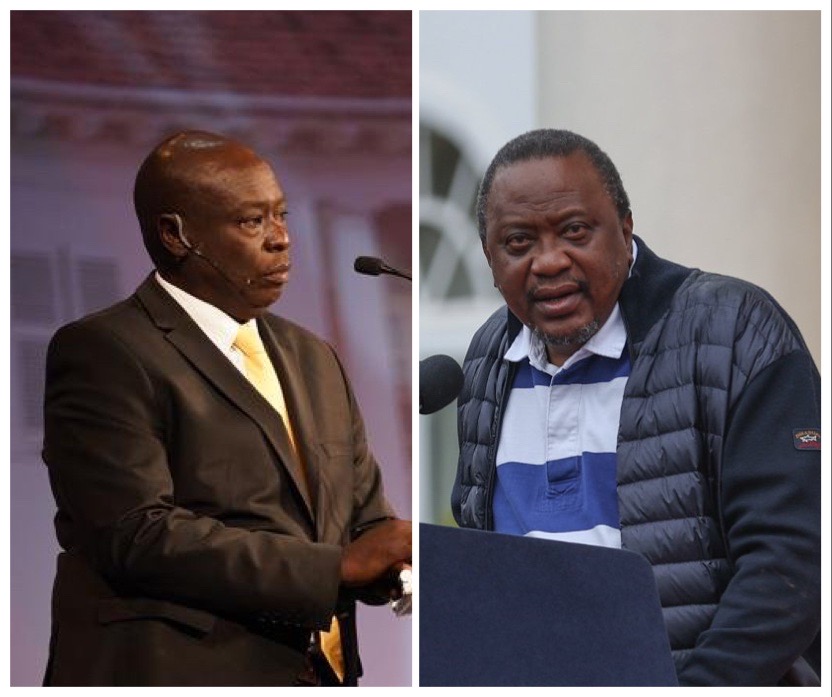
Former President Uhuru Kenyatta has previously warned against using personal hardship as a political credential, insisting that leadership should focus on vision, service, and integrity rather than upbringing
The MCA’s remarks come at a time of heightened tension in Mt Kenya politics, with questions increasingly raised about the calibre of regional leaders and whether emotional narratives have overshadowed competence and experience