
US Demand Drives Sharp Rise in Kenya’s Coffee Exports Following AGOA Renewal
Kenya’s coffee sector has received a significant boost after exports to the United States recorded a dramatic increase in the wake of the renewed African Growth and Opportunity Act (AGOA), reinforcing the importance of the American market to the country’s agricultural economy.

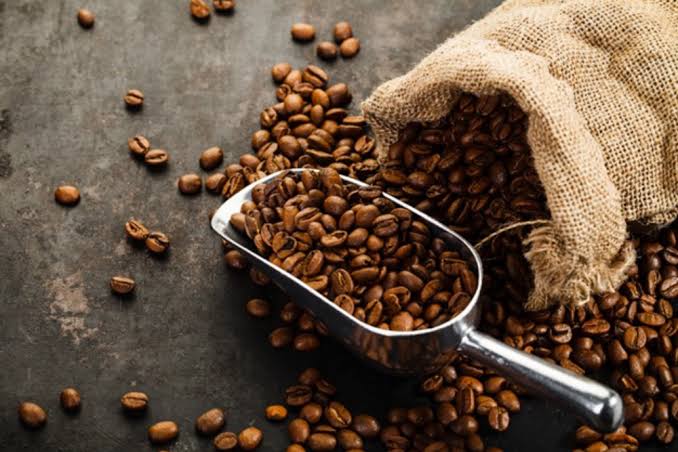
Kenya’s coffee sector has received a significant boost after exports to the United States recorded a dramatic increase in the wake of the renewed African Growth and Opportunity Act (AGOA), reinforcing the importance of the American market to the country’s agricultural economy.
Recent export figures indicate that coffee shipments to the US have more than doubled compared to previous months, making America the leading destination for Kenyan coffee. The growth is largely attributed to the continuation of AGOA, which allows qualifying Kenyan products to enter the US market without import duties, improving their competitiveness.
Industry stakeholders say the extension of the trade programme has restored confidence among exporters who had been concerned about uncertainty surrounding future access to the American market. With the trade arrangement secured, buyers have increased orders, leading to a surge in export volumes.
Kenyan coffee continues to enjoy a strong reputation internationally due to its rich flavor, high quality, and unique characteristics. This growing demand from American importers is expected to benefit thousands of farmers, cooperative societies, processors, and exporters who depend on coffee as a major source of income.
Agricultural experts believe the improved export performance could translate into higher earnings across the coffee value chain if global prices remain stable. Increased sales are also expected to strengthen Kenya’s foreign exchange reserves, with coffee remaining one of the country’s most valuable agricultural exports.
The positive trend has renewed calls for greater investment in coffee farming. Sector players are urging both national and county governments to support farmers through improved access to certified seedlings, affordable farm inputs, extension services, and modern processing facilities to help increase production and improve quality.
Beyond coffee, the AGOA framework continues to provide opportunities for several other Kenyan industries, including textiles, tea, horticulture, and manufactured goods. Exporters say continued duty-free access to the US market has enabled local businesses to remain competitive while expanding their customer base overseas.
However, trade experts caution that while the recent export growth is encouraging, the long-term future of AGOA remains uncertain. They argue that Kenya should continue pursuing broader trade agreements and diversify its export markets to reduce reliance on a single destination and protect the economy from future policy changes.