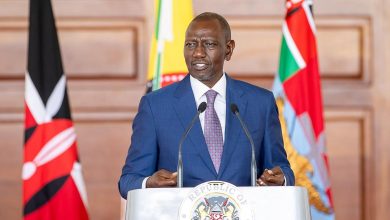
Mudavadi Keeps Low Profile as Contest for Ruto’s Running Mate Gathers Momentum
As political activity ahead of Kenya's 2027 General Election gains momentum, growing attention is turning to who will eventually be chosen as President William Ruto's running mate.

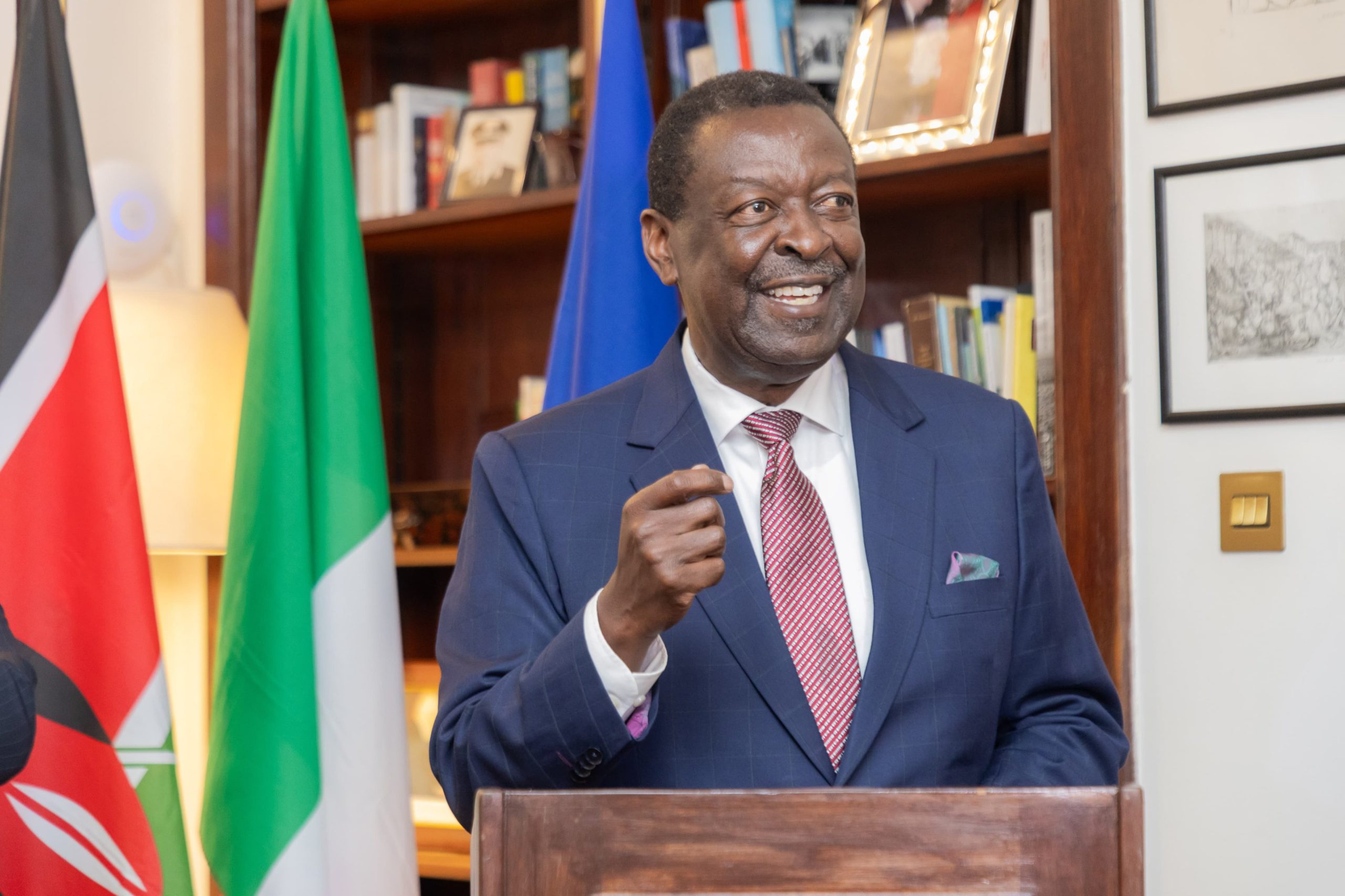
As political activity ahead of Kenya’s 2027 General Election gains momentum, growing attention is turning to who will eventually be chosen as President William Ruto’s running mate.
While several senior leaders have intensified their public engagements and regional mobilization efforts, Prime Cabinet Secretary Musalia Mudavadi has maintained a noticeably low profile, fueling speculation about his political strategy and future within the Kenya Kwanza administration.
Mudavadi, one of the country’s most experienced politicians and a key figure in President Ruto’s government, has remained largely focused on his official duties, avoiding the public political campaigns that have increasingly characterized the competition for influence within the ruling coalition.
His quiet approach has sharply contrasted with the energetic political activities of other leaders who have been traversing different regions, strengthening alliances and positioning themselves ahead of the next electoral cycle.
Political analysts say the silence from Mudavadi has created mixed interpretations. Some believe the Prime Cabinet Secretary is deliberately staying away from premature succession politics, preferring to concentrate on government service while allowing events to unfold naturally.
Others argue that the absence of visible political mobilization could leave room for rivals to gain ground, particularly as the race to become President Ruto’s deputy gathers pace.
The contest for the running mate position is expected to be one of the most closely watched aspects of Kenya’s political landscape over the coming months.
Regional voting strength, coalition dynamics, ethnic balance, loyalty to the ruling alliance and the ability to deliver votes are all likely to influence the President’s eventual decision. Aspirants are therefore keen to demonstrate their political value by expanding their support bases and maintaining a strong presence in national affairs.
Within Kenya Kwanza, leaders from different regions continue to strengthen their political influence, recognizing that the running mate position could significantly shape the coalition’s chances in the 2027 election. Public rallies, development tours and strategic political meetings have become common as various camps seek to showcase their relevance and bargaining power.
Despite the growing political activity, Mudavadi’s supporters maintain that his experience and leadership credentials remain unmatched.
They argue that his decades-long involvement in national politics, coupled with his current role as Prime Cabinet Secretary, continue to make him one of the most qualified leaders within the administration.
They also point to his influence in the Western Kenya region, which remains an important voting bloc that could play a decisive role in the next general election.
However, political observers caution that the dynamics surrounding the running mate selection extend beyond experience alone.
They note that President Ruto will likely weigh several political considerations, including regional representation, coalition stability and electoral arithmetic before settling on a preferred candidate.