
Is G7 Diplomacy Delivering Results or Just Promises?
Concerns are growing over whether G7 diplomacy is delivering meaningful results, with critics arguing that the forum often produces ambitious declarations but falls short when it comes to implementation.

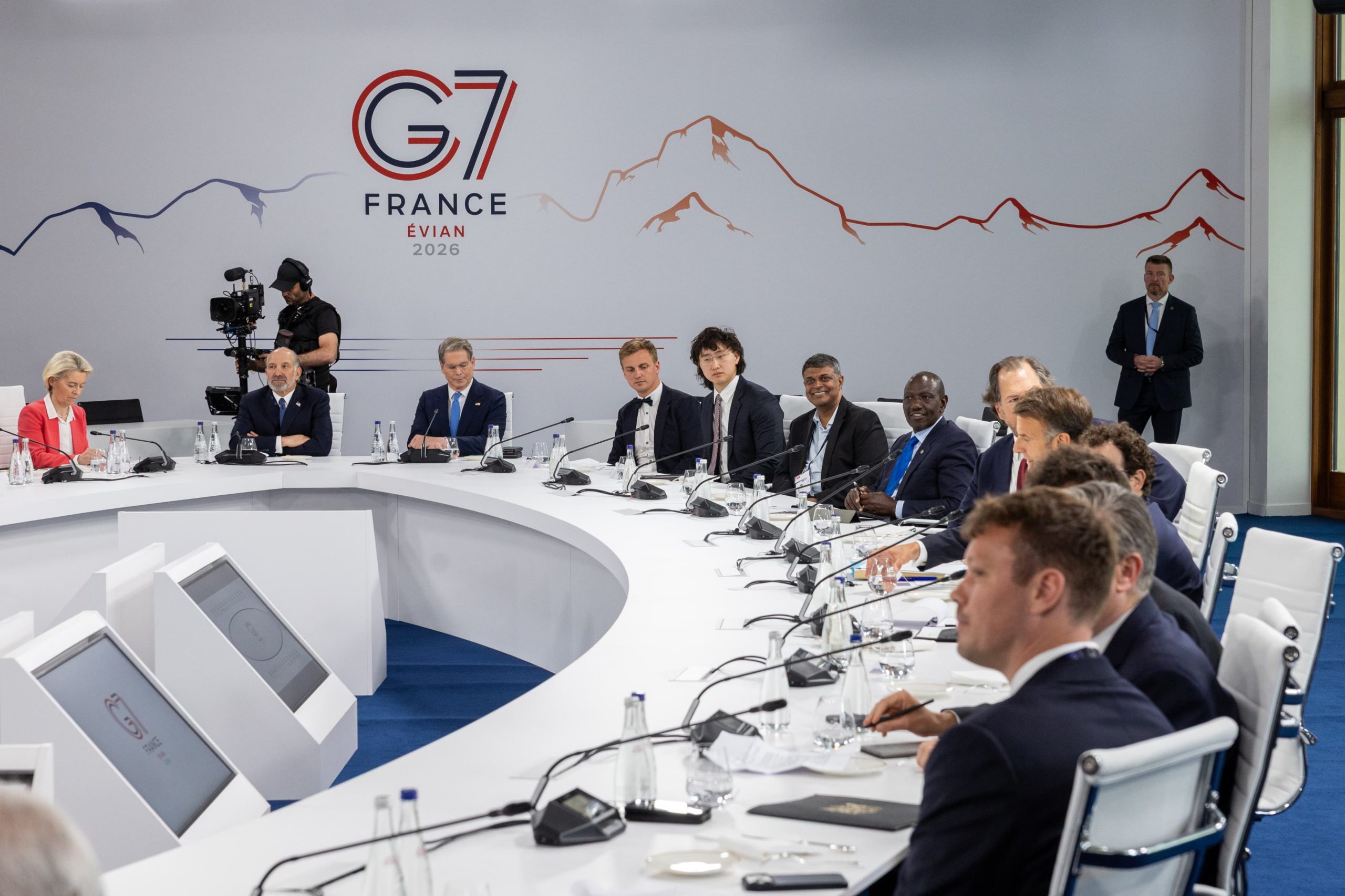
Concerns are growing over whether G7 diplomacy is delivering meaningful results, with critics arguing that the forum often produces ambitious declarations but falls short when it comes to implementation.
The Group of Seven, which brings together some of the world’s most influential economies, regularly meets to discuss pressing global issues such as economic stability, climate financing, debt relief, and geopolitical security. While these meetings attract global attention and set the tone for international policy discussions, doubts persist about their practical impact.
Sceptics argue that despite the high-profile nature of G7 summits, many of the commitments made during these gatherings are not fully implemented or are delayed for years. This has led to questions about whether the forum is more symbolic than actionable in addressing urgent global challenges.
Developing countries, including those in Africa, often engage with the G7 through partnerships and invited sessions, hoping to push for reforms in global finance, trade fairness, and development funding. However, critics say that progress on these issues has remained slow, with limited structural change in areas such as debt restructuring and climate finance support.
The effectiveness of the G7 has also been questioned in a shifting global order where emerging economies are playing an increasingly important role in driving economic growth. Some analysts argue that the group’s influence has weakened compared to earlier decades, making it harder for it to act as the central coordinator of global economic policy.
Supporters of the G7 maintain that the forum still plays a vital role in shaping global priorities and fostering cooperation among leading economies. They argue that even when outcomes are not immediately visible, the discussions help build consensus on long-term global challenges.
However, the recurring criticism remains that there is often a gap between promises made at summits and tangible results on the ground. This has fuelled a broader debate about the future relevance of elite diplomatic forums in addressing complex global problems.
Ultimately, the discussion highlights a growing demand for global institutions to move beyond statements and deliver measurable outcomes that can be felt by ordinary people, especially in developing nations that are most affected by global economic decisions.