The Floods Told Their Own Story.
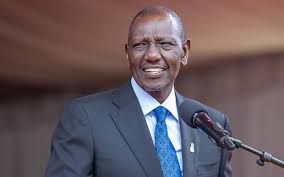
The promise was simple but powerful: clean the river, restore its ecosystem, control flooding, and improve the lives of the people who depend on it. Backed by billions and led by the administration of William Ruto, the project created expectations of real, visible transformation.


KSh 50 Billion and Counting ,but why is nairobi river Still dying?
When the government announced a KSh 50 billion project to clean and restore the Nairobi River, it sounded like a long-overdue rescue mission. For years, residents of Nairobi had watched the river deteriorate into a slow-moving channel of waste—polluted, neglected, and nearly forgotten.
The promise was simple but powerful: clean the river, restore its ecosystem, control flooding, and improve the lives of the people who depend on it. Backed by billions and led by the administration of William Ruto, the project created expectations of real, visible transformation.
Recently, heavy rains hit Nairobi, and the river overflowed. Roads flooded. Lives were lost. Families were displaced.If billions are being invested in river restoration and flood control, shouldn’t we be seeing real protection by now?
The Nairobi River has suffered decades of abuse. Industries discharge waste into it. Broken sewer systems leak into it. Informal settlements, often with no alternatives, depend on it for survival while also contributing to its pollution.
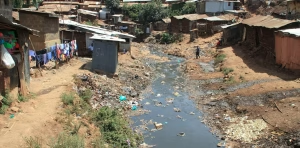
Beyond policy and budgets, the Nairobi River is deeply human.It runs through communities. It affects livelihoods. It shapes health outcomes. For some, it is a hazard. For others, a necessity.
Across many parts of Nairobi, the river remains heavily polluted. Its waters are still dark and contaminated. Plastic waste continues to clog its flow. The smell—sharp and unpleasant—still hangs in the air.
KSh 50 Billion Later ,Why Is Nairobi River Still Dying?”
BY WANGECI IRUNGU