Kenya Seeks KSh400M to Evacuate Citizens from russia
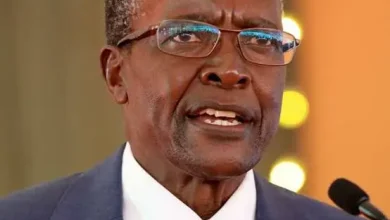
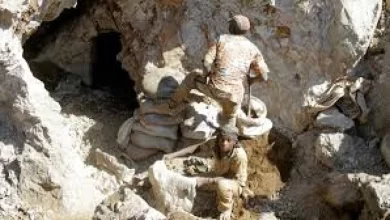
Prime Cabinet Secretary and Foreign Affairs CS Musalia Mudavadi underscored the complexity of repatriating Kenyans, particularly those caught up in the Russia–Ukraine conflict. He noted that some individuals are embedded in active war zones, making immediate extraction difficult.


The Kenyan government has requested an additional KSh400 million to facilitate the evacuation of citizens stranded in conflict-prone regions, particularly Russia and parts of the Middle East, as concerns grow over the safety and welfare of Kenyans abroad.
Appearing before the National Assembly Committee on Defence, Intelligence and Foreign Affairs, officials from the State Department for Diaspora Affairs said the funds are urgently needed to support rescue missions, emergency travel, and diplomatic coordination. The request, if approved, will increase the department’s budget from KSh717.8 million by an extra KSh400 million.
Prime Cabinet Secretary and Foreign Affairs CS Musalia Mudavadi underscored the complexity of repatriating Kenyans, particularly those caught up in the Russia–Ukraine conflict. He noted that some individuals are embedded in active war zones, making immediate extraction difficult.

“The process is not instant,” Mudavadi said, explaining that successful repatriation depends on cooperation with foreign governments and evolving battlefield conditions.
He also revealed that Kenya has reached agreements with Russian authorities to halt further recruitment of Kenyans into the conflict, even as diplomatic efforts continue to bring those already affected back home.
The proposed KSh400 million supplementary budget reflects the urgency of safeguarding Kenyans caught in volatile regions. However, it also raises critical questions about sustainability, international cooperation, and the government’s capacity to respond to growing diaspora crises.
As Parliament deliberates on the request, the fate of many stranded Kenyans remains tied to diplomatic negotiations, resource allocation, and evolving global conflicts.
BY WANGECI IRUNGU