
Most Aussie punters reckon the real skill in poker starts with reading opponents, but anyone who has run floors from Crown strategy days to TCS John Huxley layouts knows the quiet variable is wager size per hand. Set it too tight and you bleed time on dead money; push it too hard on a Tuesday arvo and a short run wipes your session before the post-flop action even starts. Down Under we tend to treat table limits like a casual suggestion, whereas US rooms post minimums that force discipline and UK operators build contribution tiers around every dollar you put in the pot. Finding a sensible wager size per hand means matching your bankroll to the table, not to the nearest flashing light. If you want a site that lays out table stakes and limits with a casoola with unique design, you will spot the difference in how clearly the rules sit before you deal a single card.
Reading the table before you commit cash
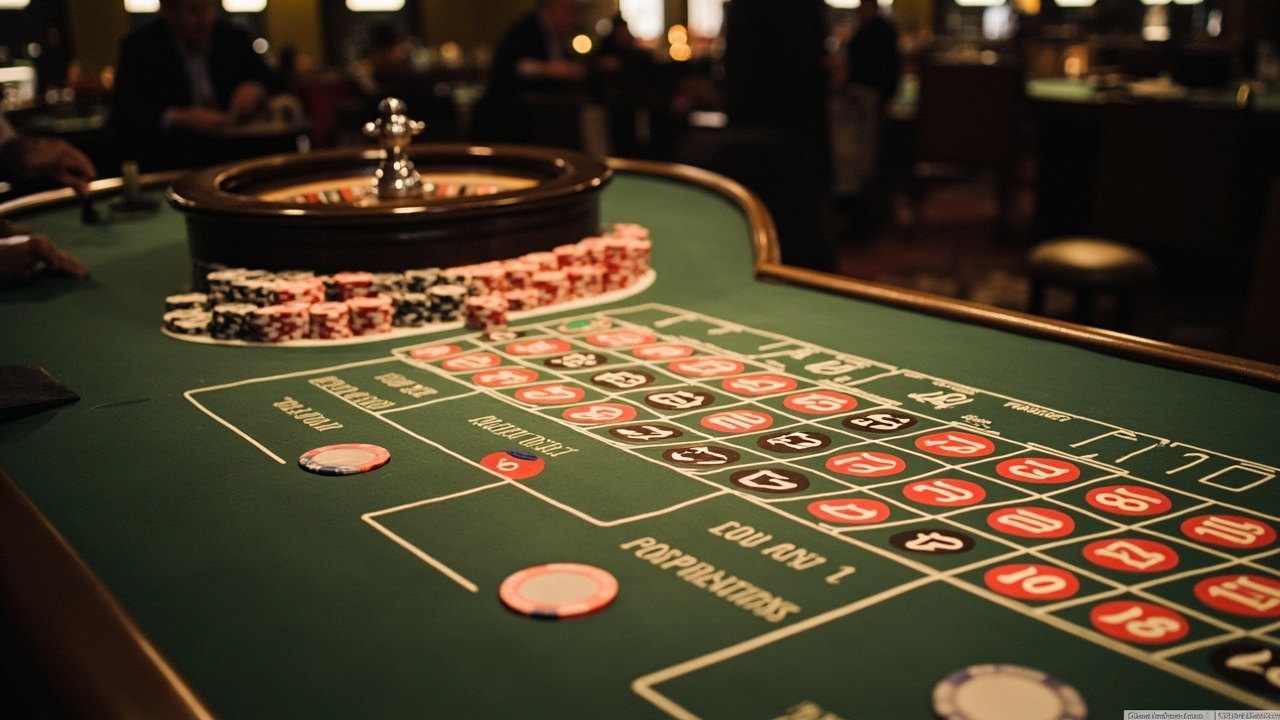
The first mistake I see from players who have never worked a pit is chasing a big blind because it feels cheap, without checking how that wager size per hand lines up with their actual roll. In a busy Darwin club on a warm night, the regulars know a $1/$3 table can chew through a $200 bankroll in twenty minutes if you play every orbit. Overseas, Las Vegas rooms often post minimums that push you toward tighter starting ranges, while European card rooms lean on contribution rules that reward steady, measured bets over reckless all-ins. The smart move is treating wager size per hand as a brake, not a throttle – you pick a level where a rough hour leaves you sitting down for the next session instead of hunting for a refill. Operators that publish clear table limits and contribution breakdowns make that call easier, because you can see whether a min-bet actually counts toward any ongoing promo or just sits there eating your time.
That kind of rapid erosion happens when you treat the felt like a shortcut instead of a discipline, and it only gets worse when you ignore the math behind every orbit. If you want to see how proper stack management actually plays out under real pressure, you can walk through a full breakdown at casoola with unique design. The regulars who survive long enough to turn a profit know that protecting your roll always comes before chasing a cheap feel.
| Detail | What it means on the felt |
|---|---|
| Table range | $1/$3 to $5/$10 live, micro-stakes online |
| Contribution | 100% on table bets, 10% on bonus-linked spins |
| Wagering cap | $500 per hand max on premium tables |
| Currency | AUD, settled same session for local players |
| Mobile | Full table view, same limits as desktop |
How bonus mechanics change the maths
A welcome offer can look generous until you read the wagering and contribution columns, and that is where wager size per hand quietly decides whether a promo helps or just burns your roll. Most Aussie operators structure it so your table bets count in full, but any bonus-linked activity sits at a fraction, which means dumping a big chunk of your bankroll into a low-contribution line rarely pays back. I have sat through enough product reviews at Ainsworth and SenSen to know the operators that survive are the ones who keep the eligibility window tight and the recurring promos honest, rather than dangling a huge number that only moves if you overbet. A sensible player sets wager size per hand so the bonus work fits the normal rhythm of the table, not the other way around. When the maths is clear, you can tell within a session whether the offer is worth the grind, and you are not left explaining to yourself why a big promo disappeared behind a contribution wall.
Pacing your roll when the room gets loud
The late arvo rush at a busy Darwin venue teaches you something the glossy marketing never does: a loud room makes people overbet, and overbetting is where a normal session turns into a rescue mission. I have watched the same pattern play out from Bally Macau floors to Crown back-of-house strategy meetings – the players who last are the ones who keep wager size per hand inside a range that survives a bad run without forcing them to chase. Thomas Henderson, Head of Live Casino, Boomerang Gaming Insights, puts it plainly: “A table stake that feels comfortable on a fresh bankroll becomes a trap once the cards turn cold, so the real discipline is picking a level you can repeat tomorrow.” Emily Fraser, Digital Acquisition Director, Harbour Bet Insights, adds the acquisition angle: “We see players blow through a welcome bonus because they treat every hand like a must-win, when a measured wager size per hand would have let the promo do its job instead of burning it in one orbit.” That is the difference between a session you walk away from and one you spend the week paying for.
Getting wager size per hand right is less about chasing a big score and more about keeping your roll intact long enough for the good spots to find you. Pick a level that fits your bankroll, check how the table bets count toward any offer, and leave the ego at the door when the room heats up. Do that and the cards still run their course, but you stay in the game instead of funding someone else’s arvo.

