Sifuna’s Linda Mwananchi Movement Faces Legal Questions After Major Party Rebrand
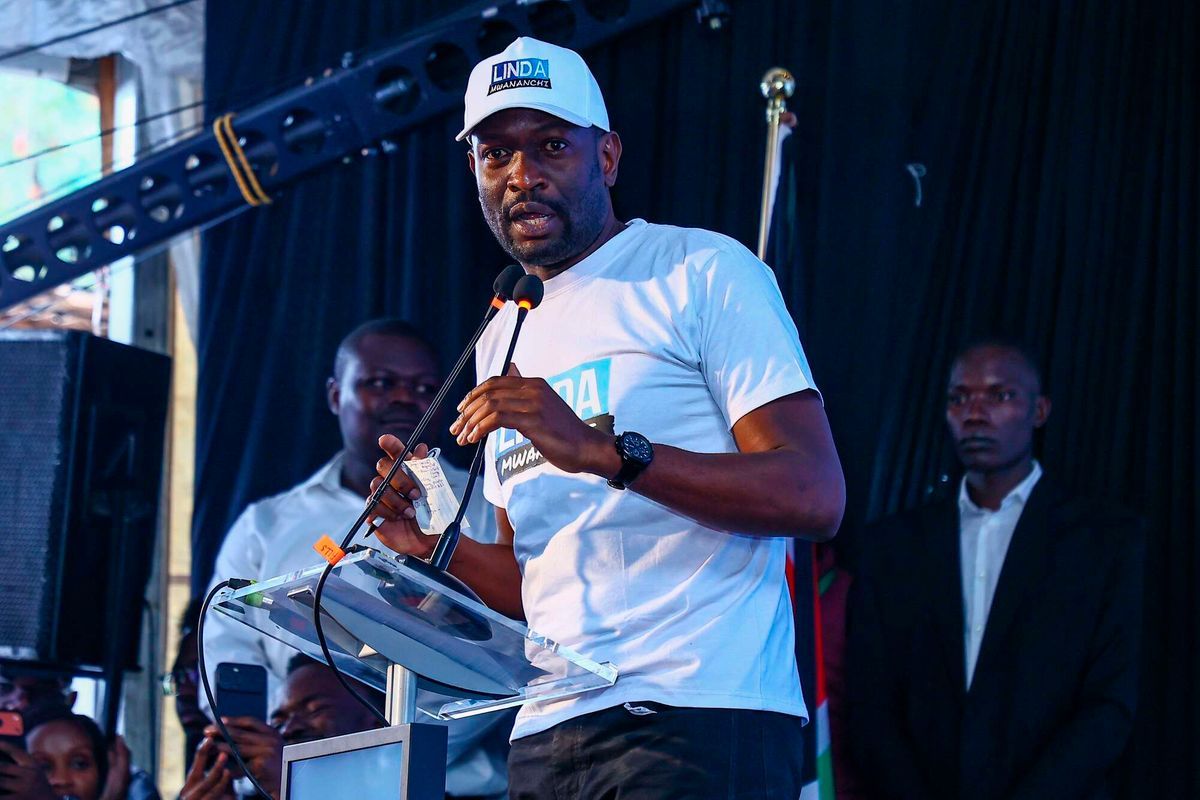
Nairobi Senator Edwin Sifuna’s political outfit has taken a major step towards establishing itself as a vehicle for the 2027 General Election after delegates approved its transformation from The Equitable Party (TEP) into the Linda Mwananchi Movement (LMM).

By Emmanuel Kyengo;
Nairobi Senator Edwin Sifuna’s political outfit has taken a major step towards establishing itself as a vehicle for the 2027 General Election after delegates approved its transformation from The Equitable Party (TEP) into the Linda Mwananchi Movement (LMM).
The decision was reached during the party’s National Delegates Conference (NDC) held in Nairobi on Friday, November 13, 2026. Delegates endorsed the proposed change of name alongside adjustments to the party’s colours, symbol and headquarters.
The conference also approved amendments to the party’s constitution, nomination procedures and election regulations. In addition, members authorised the movement to begin coalition-building negotiations with like-minded political parties as opposition leaders explore the possibility of presenting a united front against President William Ruto in the 2027 elections.
However, the resolutions have not completely settled questions surrounding the party’s legal status and internal organisation.
The meeting was held behind closed doors, with the media reportedly excluded. There were also questions about the change of venue, as the party had initially indicated that the conference would take place at The Luke Hotel in Nairobi before it was held at a different location.
The venue change has attracted scrutiny because the Political Parties Act requires political parties to specify the date and venue of their delegates’ meetings.
The conference proceeded after the Political Parties Disputes Tribunal declined to stop it. However, the decision did not amount to a declaration that every aspect of the meeting had complied with the party constitution.
Two party members, Paul Kiragu Gachoka and Pamela Achieng Simwata, had challenged the process, questioning the selection of delegates, approval of the agenda and the party’s preparations to amend its governing documents.
The tribunal allowed the conference to proceed while leaving the substantive complaints for further determination. It also retained the possibility of reversing resolutions if the process is later found to have been conducted improperly.
Another dispute concerned proposed party elections. Following a separate complaint by James Onyango Nyangor, the party assured the tribunal that no elections would take place during the November 13 conference. Consequently, delegates considered the proposed changes without electing or formally ratifying new office-bearers.
The Office of the Registrar of Political Parties has also cautioned that reserving the name Linda Mwananchi Movement does not automatically make it a registered political party under that identity.
Registrar John Cox Lorionokou explained that an existing party seeking to change its name must formally submit the required documents and follow the applicable legal procedures, including notifying members and other stakeholders.
The registration process involves name reservation, provisional registration and full registration. The Registrar is expected to examine the resolutions and accompanying documents before deciding whether the proposed changes can be formally recognised.
The timing is particularly significant as political parties prepare for the 2027 General Election. The Independent Electoral and Boundaries Commission had already set November 6 as the deadline for parties to submit their nomination rules and other required information.
Meanwhile, the coalition-building mandate places Sifuna’s movement in the wider opposition negotiations involving leaders such as former Deputy President Rigathi Gachagua, Wiper leader Kalonzo Musyoka, former Interior Cabinet Secretary Fred Matiang’i, Martha Karua and Eugene Wamalwa.
The political formations have been exploring ways of working together, although the question of who would carry a joint presidential ticket remains unresolved.
With the rebranding now endorsed by delegates, the movement faces the task of completing the legal requirements, strengthening its internal structures and negotiating possible alliances ahead of the August 2027 General Election.