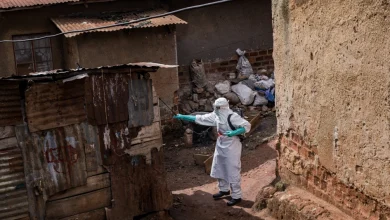
How to Protect Your Family During an Ebola Outbreak
Ebola is a rare but serious infectious disease that can cause severe illness and death. Understanding how it spreads, recognising symptoms and following official health advice can help families reduce the risk of infection.


By Emmanuel Kyengo;
Ebola is a rare but serious infectious disease that can cause severe illness and death. Understanding how it spreads, recognising symptoms and following official health advice can help families reduce the risk of infection.
Kenya’s Ministry of Health and the World Health Organization (WHO) have emphasised the importance of surveillance, early detection and public awareness during Ebola outbreaks. Residents are encouraged to rely on verified information and avoid unnecessary panic.
How Does Ebola Spread?
Ebola spreads mainly through direct contact with the blood or other body fluids of an infected person who has developed symptoms, or someone who has died from the disease.
Transmission can occur when contaminated fluids enter the body through broken skin or the eyes, nose or mouth. Touching contaminated clothing, bedding or medical equipment can also expose someone to the virus.
People may face increased risks when caring for infected relatives without appropriate protection or handling the bodies of people who have died from Ebola.
Ebola does not spread through the air like measles or influenza. People infected with Ebola are generally not infectious before symptoms develop.
Recognising the Symptoms
Symptoms typically appear between two and 21 days after exposure.
Early warning signs include:
- Fever and unusual tiredness.
- Headache and muscle pain.
- Sore throat.
- Loss of appetite.
- Vomiting, diarrhoea or abdominal pain.
Some patients may develop a rash or bleeding, although bleeding does not occur in every case.
These symptoms can resemble malaria and other illnesses. A fever alone does not mean someone has Ebola. Anyone with compatible symptoms and possible exposure should seek prompt medical guidance.
Practical Ways to Protect Your Family
1. Maintain good hand hygiene. Wash your hands regularly with soap and safe water, especially before eating, after using the toilet and after contact with potentially contaminated materials.
2. Avoid contact with body fluids. Do not touch the blood, vomit, urine, faeces or other body fluids of a person suspected of having Ebola. Avoid sharing potentially contaminated clothing, towels and bedding.
3. Seek professional assistance. Do not attempt to manage a suspected Ebola patient at home without guidance from health authorities. Contact health officials for instructions on assessment and safe transport.
4. Handle animals and food safely. Avoid touching sick or dead wild animals, wash your hands after handling raw meat and cook animal products thoroughly.
5. Avoid unsafe burial practices. Bodies of people who have died from Ebola can remain infectious. Do not wash or prepare a suspected victim’s body. Contact trained health teams to arrange a safe and dignified burial.
What Should You Do After Possible Exposure?
Contact health authorities immediately and explain when and how the exposure occurred. Follow instructions on movement, testing and monitoring.
In Kenya, the Ministry of Health has identified 719 as a toll-free health information line. Confirm current contact arrangements through official government channels.
Avoid Misinformation
Do not share unverified reports, photographs or claims about suspected cases. Avoid discriminating against people who are ill or have been identified as contacts.
For reliable information, visit the Kenya Ministry of Health at https://health.go.ke/ or WHO at https://www.who.int/en/health-topics/ebola/ebola.
Conclusion
Protecting your family during an Ebola outbreak requires good hygiene, avoiding contact with infected body fluids, recognising symptoms and seeking timely professional advice.
Stay informed through official health authorities, report possible exposure promptly and follow recommended precautions.