Kenya Establishes Specialised High Court Division to Handle International Crimes
Kenya’s Judiciary has established a specialised High Court division to hear cases involving international and organised crimes, strengthening the country’s legal framework for prosecuting serious offences.

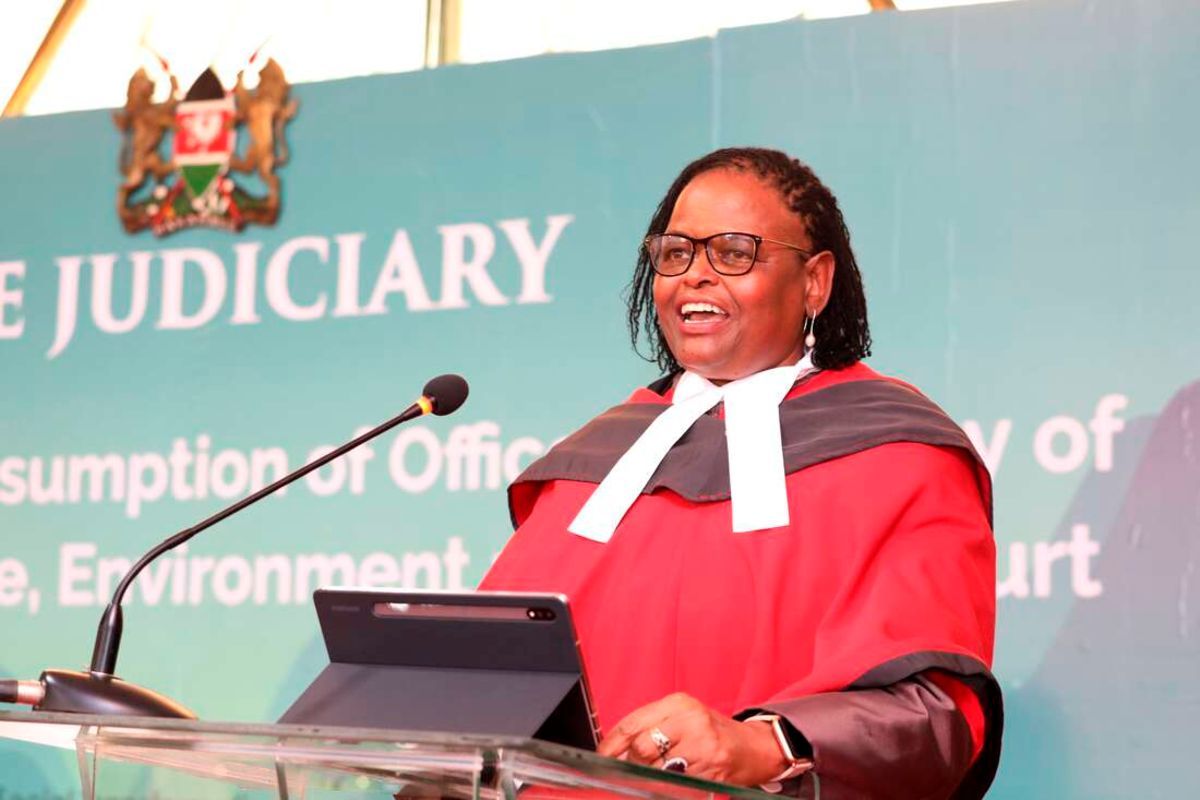
Kenya’s Judiciary has established a specialised High Court division to hear cases involving international and organised crimes, strengthening the country’s legal framework for prosecuting serious offences.
The International and Organised Crimes Division, established by Chief Justice Martha Koome, is scheduled to begin operations on October 30, 2026.
According to a Gazette Notice dated October 19, 2026, the division will handle cases arising under the International Crimes Act, 2008, as well as appeals from organised crime cases heard by subordinate courts where the High Court has appellate jurisdiction.
Broad Range of Criminal Cases
The division will hear cases involving terrorism, human trafficking, migrant smuggling, kidnapping, illegal arms trafficking, drug trafficking, piracy, wildlife offences and environmental crimes.
Its mandate will also cover extradition proceedings, requests for mutual legal assistance and matters arising from relevant international treaties and conventions.
New Rules for Managing Cases
Under the practice directions accompanying the establishment of the division, new cases within its jurisdiction must be filed through its principal registry using the Judiciary’s electronic filing system.
The guidelines provide for the secure handling of classified and confidential documents, as well as protective measures for witnesses and victims. These may include closed-door hearings, protective screens, voice distortion and confidential records where necessary.
Judges will be required to convene case-management conferences within 14 days of filing to establish hearing schedules, address evidence disclosure and consider witness-protection arrangements.
Cases will generally be heard by a single judge, although appeals from subordinate courts may be assigned to two judges where considered necessary.
Emphasis on Fair and Timely Justice
The division will apply Kenya’s criminal procedure laws and rules of evidence, alongside relevant international legal procedures where applicable.
Its operations will be guided by Article 159 of the Constitution, which outlines principles for the administration of justice, including fairness, accessibility and timely resolution of disputes.
Cases already pending before other High Court stations or divisions will ordinarily remain there until conclusion, while subordinate courts will continue handling offences within their jurisdiction.
The new division is expected to provide a dedicated judicial structure for managing complex international and organised crime cases in Kenya.