
High Court Awards IT Expert Sh5 Million After Police Raid
The High Court has awarded technology entrepreneur Ndiang’ui Kinyagia Sh5 million after finding that his constitutional rights were violated during a police operation at his home in Kinoo, Kiambu County.

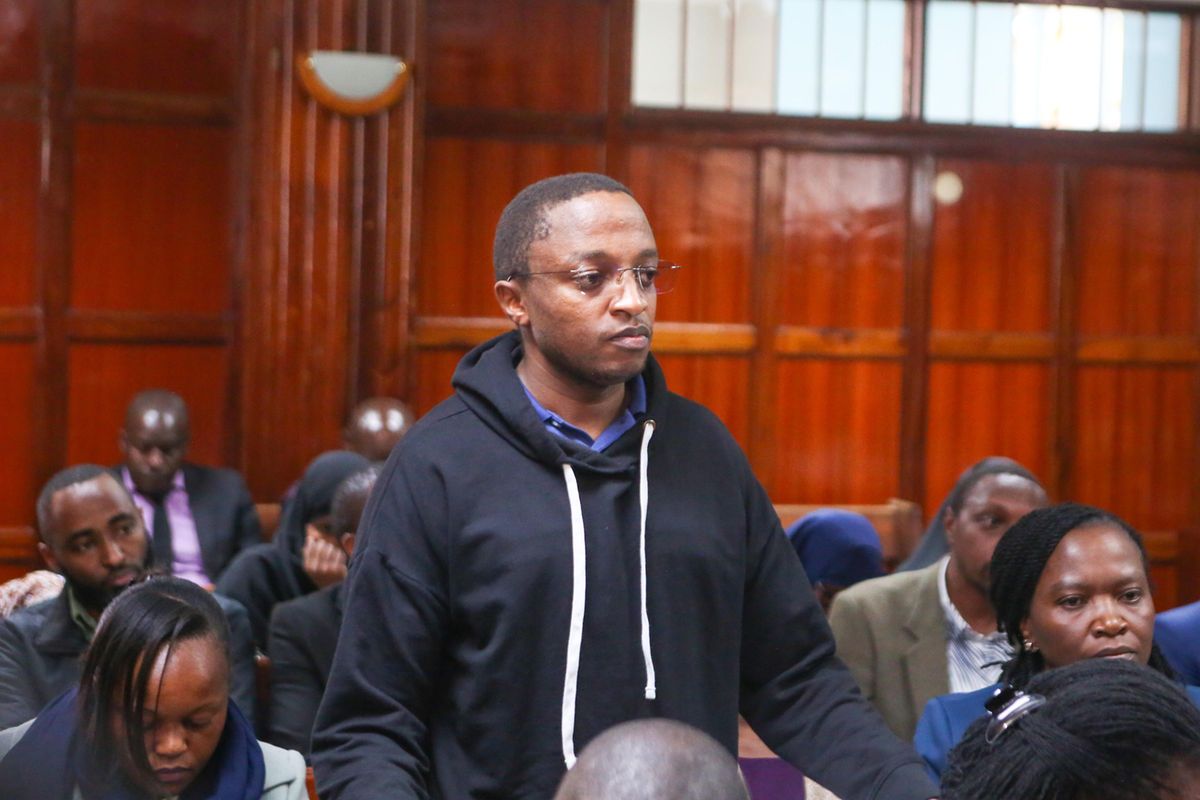
The High Court has awarded technology entrepreneur Ndiang’ui Kinyagia Sh5 million after finding that his constitutional rights were violated during a police operation at his home in Kinoo, Kiambu County.
The ruling followed a police raid conducted on June 21, 2025, during which officers searched Kinyagia’s residence and took away several items, including electronic devices and other personal belongings.
Kinyagia later challenged the conduct of the officers in court, arguing that the search and subsequent actions by the authorities infringed on his fundamental rights.
Justice Patricia Nyaundi found that the police had violated Kinyagia’s rights to privacy, property, dignity, personal security and freedom of movement.
The court also questioned the legality of the search, noting that the authorities had not demonstrated sufficient circumstances to justify conducting the operation without first obtaining a warrant.
Following the raid, Kinyagia went into hiding, prompting his family to seek legal assistance. The Law Society of Kenya became involved in proceedings concerning his whereabouts before the wider constitutional case was pursued.
The court established that the manner in which the investigation was carried out failed to meet the legal safeguards governing police searches and investigations.
The judge further barred the Director of Public Prosecutions from bringing criminal charges against Kinyagia arising from the investigative process that had led to the raid.
The Sh5 million award includes compensation for the infringement of his constitutional rights, with the court also addressing costs and interest arising from the case.
The case attracted attention because it involved questions surrounding police powers, warrantless searches, privacy and the protection of individual rights during criminal investigations.
The ruling serves as another judicial examination of the limits placed on law-enforcement agencies when conducting searches and gathering evidence.
The court’s decision does not prevent lawful investigations generally, but emphasizes that police officers must operate within the constitutional and legal framework when exercising their investigative powers.