
KUSCCO Crisis Deepens After Sh162 Million Refund Ruling
The Kenya Union of Savings and Credit Cooperatives KUSCCO has suffered a major legal setback after the Cooperative Tribunal ordered the umbrella body to refund Sh162 million to the Kenya Pipeline Company (KPC) Staff Sacco in a dispute over fixed deposits.

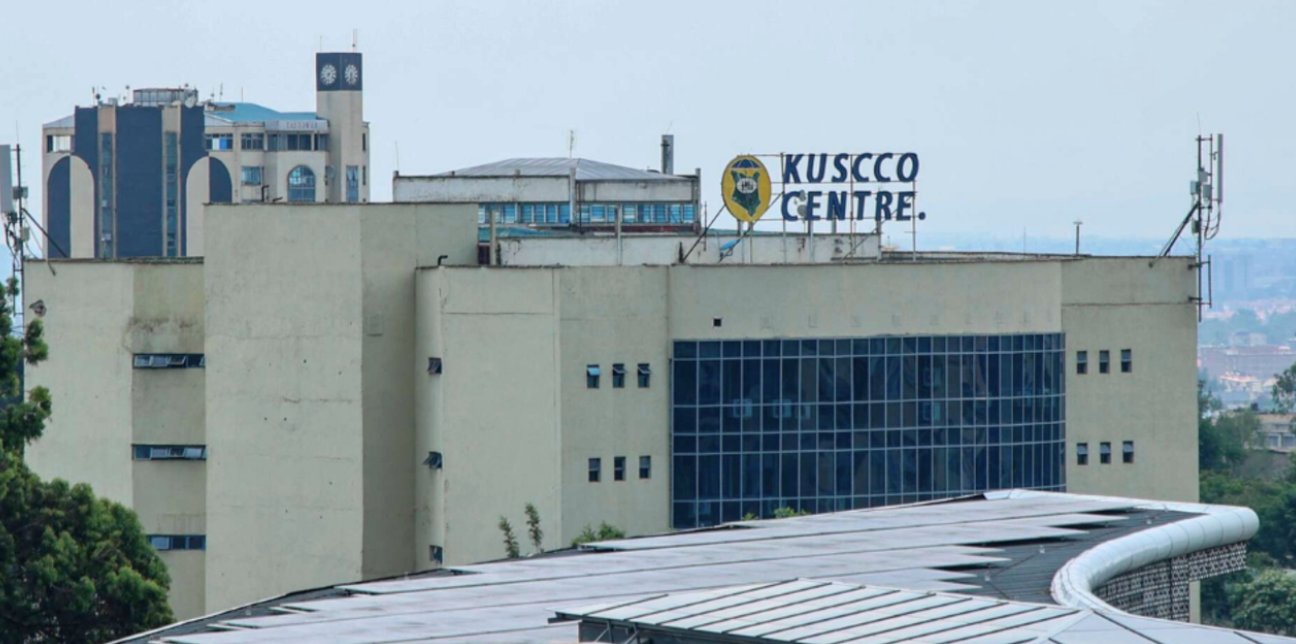
The Kenya Union of Savings and Credit Cooperatives (KUSCCO) has suffered a major legal setback after the Cooperative Tribunal ordered the umbrella body to refund Sh162 million to the Kenya Pipeline Company (KPC) Staff Sacco in a dispute over fixed deposits.
The ruling comes amid growing pressure on KUSCCO, which has been grappling with allegations of financial mismanagement and mounting demands from Saccos seeking to recover billions of shillings invested in the troubled institution.
According to reports, the KPC Staff Sacco had placed substantial funds with KUSCCO as fixed deposits, expecting returns that would support its financial operations and safeguard members’ savings. However, efforts to access the money reportedly hit a dead end after KUSCCO failed to release the funds as agreed, forcing the Sacco to seek legal intervention through the Cooperative Tribunal.
In its decision, the tribunal ruled in favor of KPC Staff Sacco, directing KUSCCO to refund the Sh162 million. The ruling is viewed as a significant victory for the Sacco and its members, who had faced uncertainty over the fate of their savings amid concerns surrounding KUSCCO’s financial stability.
The judgment also highlights the growing legal and financial troubles facing KUSCCO, an institution that has for decades played a central role in Kenya’s cooperative movement by providing liquidity support, training, and financial products to affiliated Saccos. In recent months, however, the organization has found itself at the center of controversy following revelations of alleged financial irregularities.
A forensic audit into KUSCCO’s operations reportedly uncovered massive discrepancies, including overstated profits, questionable lending practices, and irregular financial reporting. The findings sent shockwaves through Kenya’s cooperative sector, raising concerns among Saccos that had invested members’ money through the institution.
The crisis has triggered widespread anxiety among deposit-taking and non-deposit-taking Saccos, many of which depend on KUSCCO for investment opportunities and financial support. Several institutions have since demanded accountability and clarity over the safety of their investments.
Industry stakeholders argue that the tribunal’s decision could pave the way for more legal claims by affected Saccos seeking compensation. With billions of shillings reportedly tied up in KUSCCO-linked investments, the outcome of similar disputes may shape the future of confidence in the cooperative movement.
The government has already moved to intervene in efforts to stabilize the sector. Authorities have initiated reforms aimed at restructuring KUSCCO’s operations, strengthening oversight, and recovering funds lost through alleged mismanagement. Cooperative sector regulators have also intensified scrutiny to prevent future financial crises that could expose ordinary members to losses.
For KPC Staff Sacco members, the tribunal’s ruling offers a sense of relief and renewed hope that their funds will be recovered. The Sacco, which serves employees of the Kenya Pipeline Company, is among institutions that rely heavily on prudent financial investments to sustain lending and welfare programs for members.