Why Waiguru Said Sorry: The Growing Political Crisis in Mt Kenya
Anne Waiguru’s recent apology over the impeachment of former Deputy President Rigathi Gachagua has ignited political debate across the Mt Kenya region, revealing the difficult balancing act facing senior politicians as the country edges closer to another intense political season.

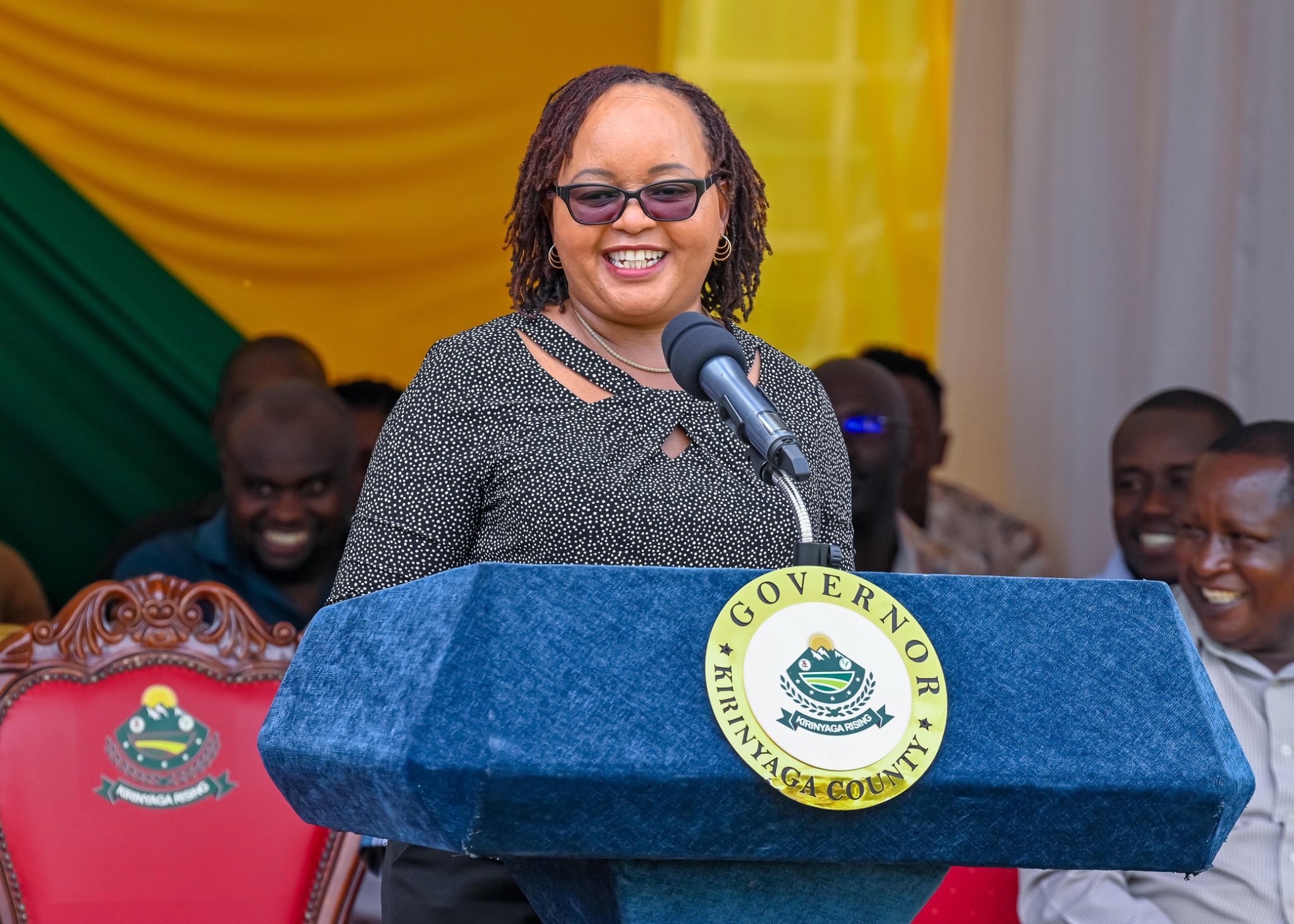
Anne Waiguru’s recent apology over the impeachment of former Deputy President Rigathi Gachagua has ignited political debate across the Mt Kenya region, revealing the difficult balancing act facing senior politicians as the country edges closer to another intense political season.
Waiguru, who was among leaders perceived to have supported Gachagua’s impeachment, recently appeared to reconsider her earlier political position by apologizing to the people of Mt Kenya. Her remarks, which many interpreted as a message of reconciliation, have raised fresh questions about the changing political mood in the region and the future of alliances among key leaders.
The apology comes at a time when political loyalty in Mt Kenya appears increasingly divided. While many leaders have remained loyal to President William Ruto’s administration, a significant section of residents continues to sympathize with Gachagua following his dramatic political fallout with the government.
To many of his supporters, the former deputy president has become a symbol of political betrayal, with claims that he was unfairly sidelined despite helping deliver votes during the 2022 General Election.
For Waiguru, the apology may have been more than just a gesture of goodwill. Political analysts suggest it could reflect growing pressure from the ground, where public opinion appears to be shifting. Politicians in Mt Kenya are facing a major challenge: how to remain aligned with the national government while also maintaining support among voters who still feel strongly connected to Gachagua.
In recent months, public gatherings in parts of Mt Kenya have shown signs of political tension, with leaders being forced to carefully choose their words whenever Gachagua’s name is mentioned.
Some politicians who initially backed his removal have reportedly faced criticism from sections of the electorate, prompting concerns that their political futures could be affected if public dissatisfaction continues to grow.
Waiguru’s apology is being viewed by many observers as part of a broader political recalibration. Leaders who once firmly stood with the government are now increasingly cautious, aware that political survival may depend on reconnecting with local sentiments.
For some, this means softening previous positions or acknowledging mistakes tied to decisions that were unpopular among voters.
The situation has created what many describe as a political dilemma for Mt Kenya leaders. Supporting President Ruto’s administration remains important, particularly for leaders seeking development projects and national influence.
However, openly distancing themselves from Gachagua could risk alienating supporters who still command significant influence at the grassroots level.
At the center of this political uncertainty is the growing question of who will shape the future leadership of Mt Kenya politics. Gachagua still enjoys notable support in parts of the region, while government-aligned politicians continue to defend their loyalty to the administration. This has left many leaders attempting to walk a political tightrope, trying to avoid taking sides too aggressively.