
SHA Flags Top Diseases Straining Kenya’s Health Fund
The Social Health Authority (SHA) has identified the leading illnesses responsible for the rising pressure on Kenya’s national health insurance system, highlighting growing concerns over the sustainability of healthcare financing.

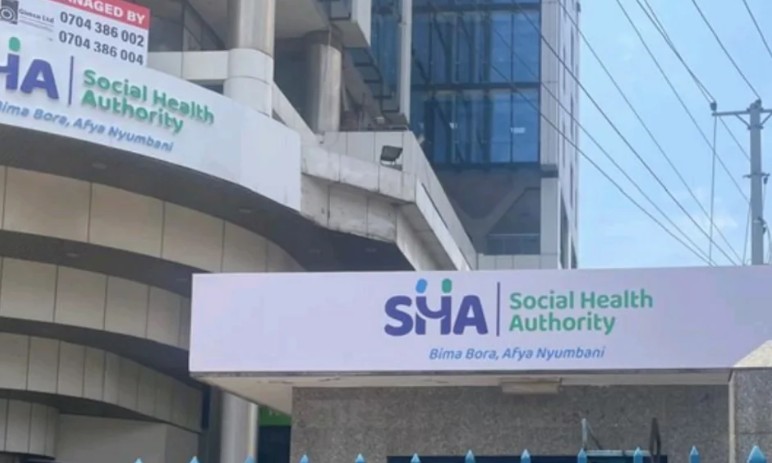
The Social Health Authority (SHA) has identified the leading illnesses responsible for the rising pressure on Kenya’s national health insurance system, highlighting growing concerns over the sustainability of healthcare financing.
According to data released by the authority, respiratory illnesses top the list of conditions driving the highest number of claims. The diseases accounted for about 21.4 percent of all claims filed between July 2025 and April 2026, making them the biggest contributor to payouts from the health fund.
SHA says the high prevalence of respiratory conditions reflects a combination of seasonal infections, environmental factors, and underlying health challenges affecting many Kenyans. Common cases include pneumonia, asthma complications, bronchitis, and other breathing-related infections that often require repeated treatment or hospital admission.
Health officials warn that the continued rise in such cases is placing a heavy burden on hospitals and stretching available resources, as more patients depend on the public health insurance system for both outpatient and inpatient services.
Beyond respiratory diseases, the authority notes that chronic illnesses and long-term medical conditions are also significantly contributing to the growing claims bill. These conditions often require ongoing medication, frequent check-ups, laboratory tests, and specialist care, all of which increase overall healthcare costs.
SHA further observes that increased awareness of health insurance coverage has led to more Kenyans seeking medical attention, which, while positive for access to care, has also led to a surge in claims and greater pressure on the system.
At the same time, hospitals and healthcare providers have raised concerns about delayed reimbursements and rising operational costs, warning that financial strain within the system could affect service delivery if not addressed.
In response, SHA says it is implementing reforms aimed at improving efficiency in claims processing, strengthening oversight, and reducing fraudulent or irregular claims. The authority adds that it is enhancing digital monitoring systems to ensure that payments are made only for verified medical services.
The report comes amid Kenya’s ongoing transition to the Social Health Authority system, which replaced the National Hospital Insurance Fund (NHIF) as part of broader reforms targeting universal health coverage.
Health experts say the findings highlight the urgent need for stronger preventive healthcare strategies, particularly in addressing respiratory diseases through improved environmental health policies, early diagnosis, vaccination, and public awareness campaigns.
As demand for healthcare continues to rise, attention is now focused on how the government will balance increasing medical needs with available funding while ensuring equitable and reliable access to healthcare services for all Kenyans.


